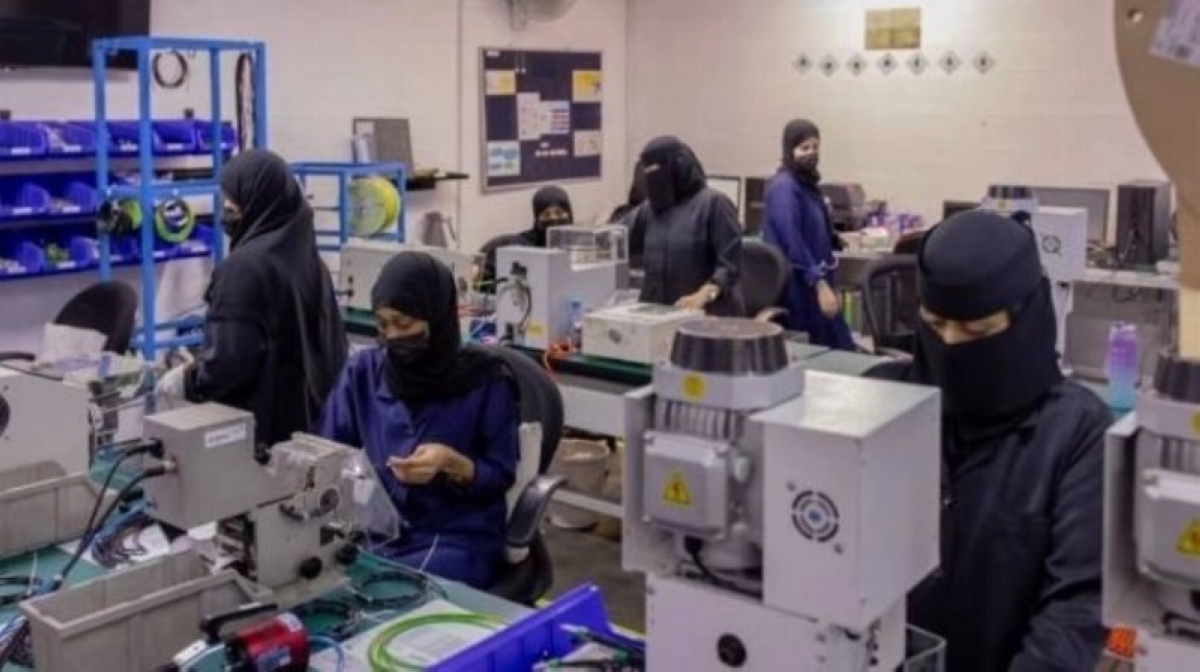

The Human Resources Development Fund (HADAF) of Saudi Arabia has facilitated the employment of 151,000 Saudi nationals within the industrial and mining sectors between 2020 and the first half of 2025. This initiative reflects the Kingdom’s ongoing efforts to diversify its economy and increase national participation in key sectors. Support has been provided through a combination of training programs and financial incentives for employers, aiming to create sustainable job opportunities for Saudi citizens.
This substantial figure covers the period from 2020 through June 2025, with ongoing programs expected to continue bolstering these numbers. HADAF’s contribution includes over SR1 billion invested in 24 specialized training agreements and significant financial assistance to companies hiring Saudi employees. The Riyadh-based fund’s efforts align with Saudi Vision 2030’s goals for a more robust and diversified labor market.
Boosting Saudi Employment in Strategic Sectors
The focus on the industrial and mining sectors is a deliberate strategy by the Saudi government. These industries are considered vital for economic diversification away from oil, and increasing Saudi national participation is crucial for achieving long-term sustainability, according to economic analysts. This concentrated effort aims to develop a skilled workforce capable of driving growth in these increasingly important fields.
Training Initiatives and Sustainability
A cornerstone of HADAF’s strategy involves partnerships for specialized training. These 24 agreements have equipped over 9,400 citizens with the skills demanded by employers in the industrial and mining industries. Crucially, the program boasts an 80 percent employment sustainability rate, indicating that the training provided translates into long-term job security for participants.
This high sustainability rate suggests that the training programs are effectively aligned with market needs. HADAF actively collaborates with companies to determine skill gaps and tailor training curricula accordingly. This demand-driven approach makes graduates more attractive to employers and increases their chances of continued employment.
Financial Support for Employers
In addition to workforce development, HADAF offers direct financial incentives to encourage companies to hire Saudi nationals. The organization has increased support under its Employment Support service to cover 50 percent of an employee’s salary, up to a maximum of SR3,000 per month. This assistance significantly reduces the cost of hiring for employers, promoting increased participation in nationalization efforts.
Furthermore, HADAF supports professional certifications in 15 specialized fields within the industrial and mining sectors. Acquiring these certifications enhances an employee’s credentials and increases their value in the job market, improving career prospects and earning potential. This focuses on upskilling the existing workforce and attracting new talent.
The Saudi labor market has undergone significant changes in recent years with initiatives such as Saudization. These policies, aiming to reduce reliance on foreign workers, have prompted businesses to adapt their recruitment and training strategies. HADAF plays a key role in facilitating this transition by providing resources and support for both employers and job seekers. The focus on Saudization is creating more opportunities for Saudi Nationals.
The impact of HADAF’s initiatives extends beyond simply filling positions; it contributes to broader economic development. By fostering a skilled and nationally-driven workforce, the program encourages innovation, productivity, and ultimately, a more resilient economy. This aligns directly with the Saudi Vision 2030 plan, emphasizing human capital development as a central pillar of national progress.
The mining sector in Saudi Arabia, in particular, is seeing significant investment and growth. The Kingdom possesses vast untapped mineral resources and is actively seeking to develop these assets. This expansion creates considerable demand for skilled labor, making HADAF’s contributions even more critical. Saudi Exports highlights the opportunities within this sector.
However, challenges remain. Successfully integrating Saudi nationals into traditionally expat-dominated industries requires ongoing commitment to skills development and cultural adaptation. Some observers note that filling highly specialized technical roles continues to be challenging, requiring expanded international training partnerships and a focus on STEM education within the Kingdom’s academic institutions.
Looking ahead, HADAF is expected to announce further refinements to its support programs later this year. Discussions are reportedly underway concerning increased funding for specialized training in emerging technologies relevant to the industrial and mining sectors, such as automation and data analytics. The effectiveness of these new programs, and their ability to address any remaining skill gaps, will be a key indicator of future success in achieving long-term employment goals.
The future sustainability of these employment numbers will also depend on broader economic conditions and the ongoing demand for resources within the global market. Monitoring indicators like GDP growth, foreign investment, and the price of key commodities will be crucial for assessing the long-term impact of HADAF’s initiatives. The Ministry of Industry and Mineral Resources continues to assess the impact of these changes on businesses nationwide.
Ongoing evaluation of the 80 percent employment sustainability rate will be important to refine programs and ensure continued success. The focus on upskilling and specialized training will continue, with additional focus on diversifying the skills base to meet the evolving needs of the Saudi industrial and mining landscape.