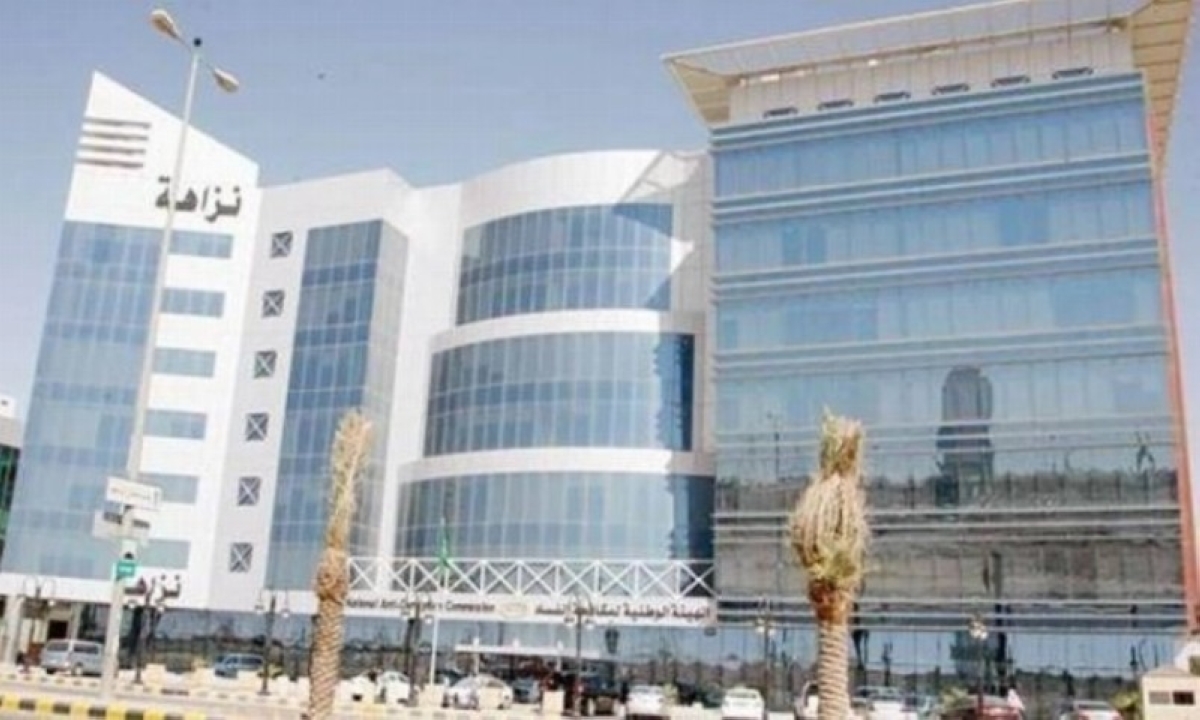

Riyadh, Saudi Arabia – Saudi authorities have arrested 113 government employees across multiple regions on corruption charges, the Saudi Oversight and Anti-Corruption Authority (Nazaha) announced Monday. The arrests stem from investigations into alleged bribery and abuse of power, signaling a continued crackdown on financial misconduct within the Kingdom’s public sector. Some individuals have been released on bail pending further investigation.
The sweeping operation targeted employees across five key ministries – Defense, Interior, Municipalities and Housing, Education, and Health – with a total of 371 employees currently under investigation. Nazaha stated that numerous criminal and administrative cases were initiated throughout November, reflecting an intensified effort to combat corruption and enhance transparency. This action underscores the Saudi government’s commitment to public integrity.
Nazaha’s Investigation into Government Corruption
The recent arrests are part of a broader, ongoing initiative by Nazaha to root out corruption within the Saudi government. Established in 2011, Nazaha possesses the authority to investigate, arrest, and prosecute individuals suspected of engaging in corrupt practices. The agency operates independently, reporting directly to the King, and is empowered to monitor public funds and assets.
Details of the Allegations
According to Nazaha’s statement, the charges against the arrested employees primarily involve bribery and the misuse of official positions for personal gain. Specific details regarding the nature of the alleged offenses have not been publicly released, however, the scope of the investigation suggests potential systemic issues. The Ministry of Interior, for example, is responsible for a vast array of functions, including law enforcement and border control, making it particularly vulnerable to potential abuses of power.
The involvement of the Ministry of Health is also noteworthy, given the increased scrutiny of public healthcare systems globally. Allegations of corruption within this sector can undermine public trust and potentially compromise the quality of care provided to citizens. The Ministry of Education’s inclusion in the investigation raises concerns about potential irregularities in procurement processes or academic standards.
Additionally, the Ministry of Municipalities and Housing, responsible for urban development and infrastructure projects, is often a target for corrupt practices due to the large sums of money involved in contracts and permits. The Ministry of Defense, overseeing significant budgetary allocations, is also subject to heightened oversight.
Recent Anti-Corruption Efforts in Saudi Arabia
This latest action builds upon a series of high-profile anti-corruption campaigns launched in recent years. In 2017, Crown Prince Mohammed bin Salman spearheaded a major crackdown, detaining prominent princes, businessmen, and government officials at the Ritz-Carlton hotel in Riyadh. While that operation was largely focused on economic crimes, it signaled a clear intent to address systemic corruption.
However, critics have pointed to concerns about due process and transparency in some of these earlier campaigns. Nazaha has consistently maintained that all investigations are conducted in accordance with Saudi law and that those accused are afforded the right to legal representation. The agency emphasizes its commitment to fair and impartial investigations.
The current investigation differs from the 2017 crackdown in its broader focus on a larger number of lower-to-mid level government employees. This suggests a shift towards addressing more widespread, systemic issues rather than targeting a small number of high-profile individuals. This approach may be intended to deter future misconduct across all levels of the public sector.
The Saudi government’s “Vision 2030” plan, a strategic framework aimed at diversifying the economy and reducing reliance on oil, explicitly prioritizes good governance and transparency. Combating corruption is seen as essential to attracting foreign investment and fostering sustainable economic growth. Relatedly, the Kingdom has been working to improve its ranking on global indices measuring perceived levels of corruption.
The investigations are also occurring amidst broader reforms aimed at modernizing the Saudi legal system and strengthening institutions. These reforms include updates to anti-corruption laws and increased protections for whistleblowers. The government has also been investing in technology to improve transparency and accountability in public procurement processes.
Meanwhile, the release of some arrested employees on bail indicates that the investigations are still ongoing and that not all individuals are considered to be equally culpable. The terms of their bail, including any restrictions on travel or employment, have not been disclosed. The investigations are expected to continue for several weeks, potentially months, as Nazaha gathers evidence and prepares cases for trial.
The next step will likely involve formal indictments and the commencement of judicial proceedings against those deemed to have sufficient evidence against them. The outcomes of these trials will be closely watched, both domestically and internationally, as a measure of the Saudi government’s commitment to tackling corruption. The long-term impact of these efforts on public trust and economic development remains to be seen.