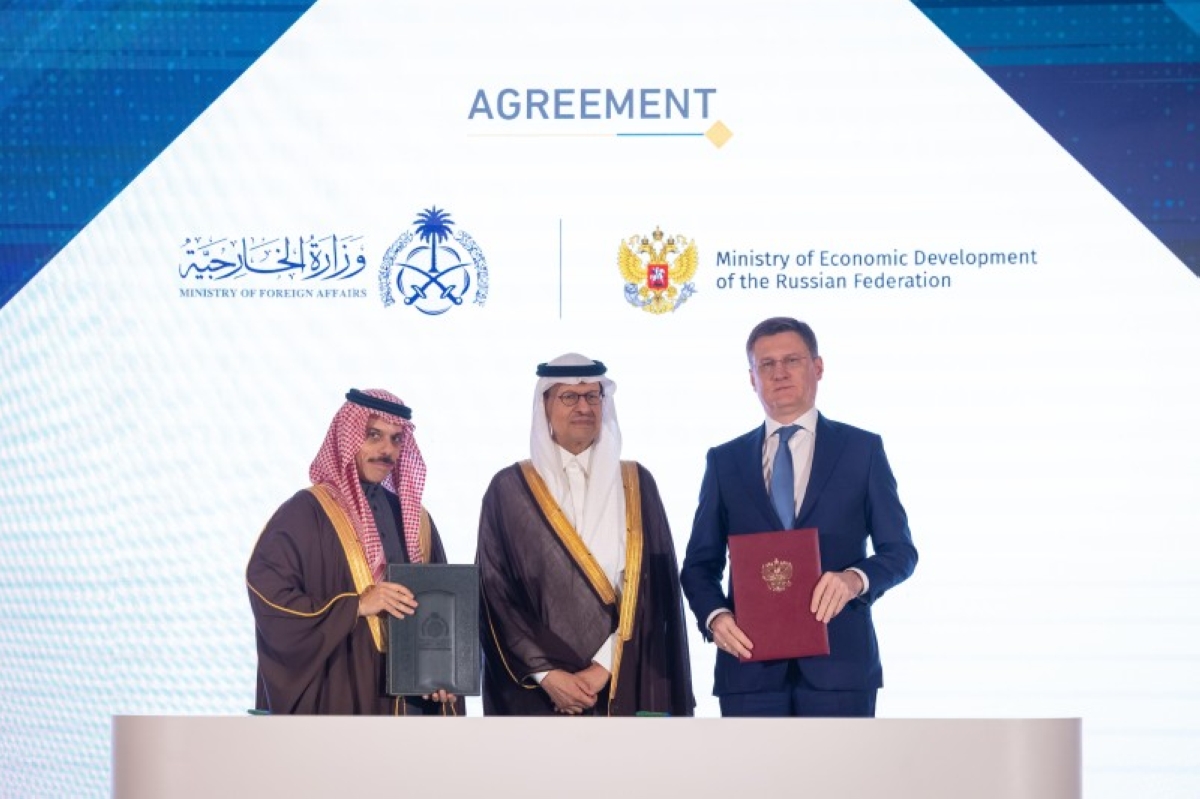

Saudi Arabia and Russia have established a groundbreaking travel corridor with the signing of a mutual visa exemption agreement on Monday. The deal, finalized during the Saudi-Russian Investment and Business Forum in Riyadh, allows citizens of both nations to visit each other’s countries for tourism, business, and personal visits without needing a prior visa. This marks a significant step in strengthening bilateral ties and boosting economic exchange between the two countries.
The agreement was officially signed by Saudi Minister of Foreign Affairs Prince Faisal bin Farhan and Russian Deputy Prime Minister Alexander Novak, with Minister of Energy Prince Abdulaziz bin Salman present. This development comes as Saudi Arabia actively pursues diversification of its economy and tourism sector, while Russia seeks to broaden its international partnerships. The new policy is expected to take effect following internal ratification procedures in both countries.
Boosting Travel and Economic Ties with the Visa Exemption
The visa exemption applies to all passport holders – diplomatic, special, and ordinary – offering unprecedented ease of travel for citizens of both Saudi Arabia and Russia. Visitors will be permitted to stay for up to 90 days within a 12-month period, either in a single visit or multiple shorter trips. This extended stay allowance is designed to encourage more substantial business engagements and longer tourism experiences.
According to official statements, the agreement is a direct result of ongoing efforts to enhance cooperation across multiple sectors. These include tourism, trade, and cultural exchange, all considered key pillars in the evolving Saudi-Russian relationship. The move is also anticipated to stimulate growth in related industries, such as hospitality and transportation, within both economies.
Implications for Tourism
Saudi Arabia has been heavily investing in its tourism infrastructure as part of its Vision 2030 plan, aiming to attract 100 million visitors annually. The visa exemption for Russian citizens is expected to contribute significantly to this goal, opening up a new and potentially large market. Russia, similarly, is promoting tourism to diversify its economy, and the agreement provides a reciprocal benefit.
However, the impact on tourism numbers will depend on several factors, including air connectivity and the overall geopolitical climate. While the agreement simplifies the travel process, potential visitors will still need to consider travel costs and logistical arrangements. The Saudi Tourism Authority is likely to launch targeted marketing campaigns to capitalize on this new accessibility.
Business and Investment Opportunities
The forum where the agreement was signed highlighted the growing investment ties between Saudi Arabia and Russia. Sectors of particular interest include energy, infrastructure, and technology. The simplified travel procedures are expected to facilitate more frequent business trips and encourage greater foreign direct investment. This could lead to joint ventures and increased economic collaboration.
The agreement is also expected to streamline the process for attending conferences and trade shows in both countries. This is particularly important for specialized industries where face-to-face meetings are crucial for building relationships and securing deals. Increased business travel could also foster a deeper understanding of each other’s markets and regulatory environments.
It’s important to note that the visa exemption does not cover individuals intending to work, study, reside permanently, or perform the Hajj pilgrimage. These activities will continue to require the appropriate visa applications and approvals. This targeted approach ensures that the agreement focuses primarily on short-term tourism and business travel.
This represents a first for Saudi Arabia, as it has not previously offered a reciprocal visa-free travel arrangement for ordinary passport holders with any other nation. This signifies the special priority placed on the relationship with Russia, and signals a potential willingness to explore similar agreements with other strategic partners. Travel agreements can often be a precursor to broader geopolitical alignment.
The move contrasts with recent visa restrictions implemented by some Western countries against Russian citizens in response to international political events. The Saudi-Russian agreement showcases a different approach, emphasizing economic and diplomatic engagement. This strategic divergence underscores Saudi Arabia’s ambition to play a more independent role on the global stage.
While the agreement is a positive development for both countries, its long-term success will depend on effective implementation and ongoing cooperation. The Saudi Ministry of Foreign Affairs and its Russian counterpart will need to work together to address any logistical challenges and ensure a smooth travel experience for citizens. Monitoring the uptake of the agreement and gathering feedback from travelers will be crucial for making any necessary adjustments.
The next step involves finalizing the internal processes for ratification within both Saudi Arabia and Russia. Officials have not yet provided a specific timeline for when the agreement will officially come into effect, but indications suggest it could be within the next few months. Continued observation of the bilateral relationship and any further announcements regarding travel protocols will be vital in assessing the ultimate impact of this new visa exemption.
Related secondary keywords used include: tourism, economic exchange, bilateral ties.