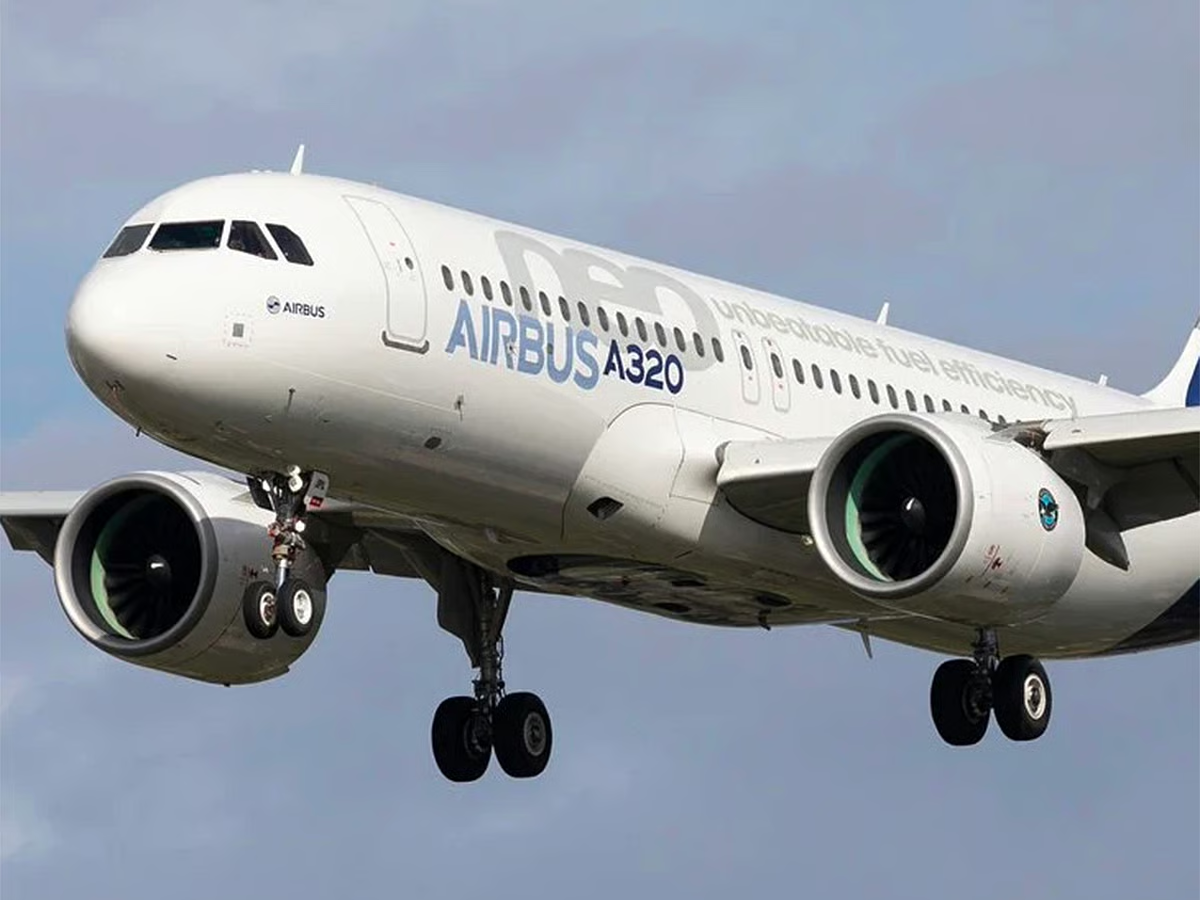

Global air travel is facing potential widespread disruption this weekend following directives from aviation regulators requiring urgent software updates for the Airbus A320 family of aircraft. The issue, stemming from concerns that strong solar radiation can interfere with critical flight control systems, affects thousands of planes worldwide, including a significant number operated by Indian airlines. This situation raises concerns for passenger travel, international commerce, and the tourism sector.
The Civil Aviation Authorities of several countries, including the United States, Europe, and India, have issued the orders, citing safety risks related to the potential malfunction. Approximately 6,000 Airbus A320 series aircraft are estimated to be affected globally, with around 250 currently operating in India, according to aviation industry sources. Airlines are scrambling to schedule the necessary updates, which vary in duration based on the aircraft’s model and existing software.
Understanding the Airbus A320 Solar Radiation Issue
The catalyst for the global review was a recent incident involving a JetBlue Airbus A320 during a flight in February. The plane experienced an unusual pitch-down event, prompting an investigation by both the airline and the Federal Aviation Administration (FAA). The preliminary findings identified a potential vulnerability in the aircraft’s Elevator Aileron Computer (ELAC).
The Role of the ELAC
The ELAC is a crucial component of the A320’s fly-by-wire system, responsible for controlling the aircraft’s elevators and ailerons. These control surfaces manage pitch and roll, essential for maintaining stable flight. The investigation shows that in certain conditions, specifically during transitions between different computer systems, increased levels of solar radiation could disrupt the ELAC’s operation, leading to temporary loss of control.
However, experts stress that the potential for complete loss of control appears low. The primary concern revolves around unexpected aircraft behavior that could startle pilots and passengers, and requires corrective action. The FAA has characterized the issue as presenting a potential safety risk, necessitating prompt action.
The problem is not unique to a specific geographic location. While solar flares and high-altitude radiation are more common near the Earth’s poles, the vulnerability exists across all operational latitudes. This is due to the nature of the computer system’s susceptibility during system handovers, rather than the absolute intensity of the radiation at a given location.
Impact on Indian Airlines & Travel
Indian carriers like IndiGo, SpiceJet, and Air India Express heavily rely on the A320 family for their domestic and short-haul international operations. According to reports, IndiGo operates the largest fleet of A320s in India followed by SpiceJet. The mandated software updates could lead to flight cancellations and delays, especially during peak travel times.
The Directorate General of Civil Aviation (DGCA) in India has instructed all airlines operating A320 aircraft to adhere to the directives issued by Airbus and the FAA. Airlines are required to submit a detailed plan for implementing the updates, including timelines and potential disruptions, by a deadline set by the DGCA. The Ministry of Civil Aviation has stated it is closely monitoring the situation to minimize any passenger inconvenience.
Beyond immediate travel plans, the disruption could have wider economic repercussions. The Indian tourism sector, already recovering from the pandemic, could see a slowdown in bookings if travelers become wary of potential flight disruptions. Business travel, critical for many industries, will also likely be impacted and could lead to rescheduling meetings and events.
The time required for the software updates varies. Newer A320 models are expected to take around 2-3 hours per aircraft, allowing for a relatively swift resolution. However, older planes may require up to 1-2 days of downtime per aircraft. This discrepancy means some airlines may be able to mitigate the impact more effectively than others.
Broader Implications for Aviation
This incident highlights the increasing complexity of modern aircraft systems and their potential vulnerability to external factors. Fly-by-wire technology, while enhancing safety and efficiency, introduces new challenges related to electromagnetic interference and software integrity. The relatively infrequent occurrence of this specific type of interference points to the difficulty in anticipating and completely shielding against all possible environmental impacts.
The focus on solar radiation also prompts a broader discussion about the need for enhanced testing and certification procedures for aircraft systems. Specifically, validation of system resilience to transient electromagnetic effects, including those from solar events, could become a more prominent aspect of future aircraft development. Boeing, as a major competitor to Airbus, will be invariably monitoring the situation and evaluating similar risks in their own aircraft.
The incident is also spurring debate about the frequency of software updates in aircraft. While regular updates are crucial for incorporating safety enhancements and addressing vulnerabilities, airlines and regulators must carefully balance the need for upgrades with the potential for operational disruptions. Optimizing update schedules and logistical support will be essential for minimizing future impacts.
Moving forward, airlines are expected to rapidly implement the software updates, prioritizing aircraft based on operational needs and the complexity of the required modifications. The FAA and other regulatory bodies will continue to monitor the situation, assessing the effectiveness of the updates and providing further guidance as needed. It is unclear if additional preventative measures will be required beyond the software patch. The industry will be watching closely to see if any further incidents occur following the completion of the updates by airlines worldwide.
Airlines are offering flexibility for travelers affected by potential delays or cancellations, including fee waivers for rescheduling and cancellations. Passengers are advised to check with their airlines for the latest information regarding their flights and to stay informed about updates from aviation authorities. The long-term impact of this event on the aviation industry and passenger confidence remains to be seen.