
Salalah, the jewel of the Arabian Gulf in Oman’s Dhofar Governorate, is stepping closer to achieving international recognition as a healthy city. A recent assessment by a team from the World Health Organization (WHO) concluded on Sunday, evaluating the region’s progress towards aligning with global standards for urban well-being. This signifies a major step for Salalah in its ambition to become a model for healthy living and sustainable development.
WHO Assessment Focuses on Healthy City Status for Salalah
The WHO team’s visit was a comprehensive evaluation of Salalah’s infrastructure, services, and community programs relating to health and wellness. The primary aim was to determine the extent to which the city’s lifestyles, environmental quality, and overall community well-being meet the stringent requirements for accreditation within the prestigious Healthy Cities Network. Participation in this network would highlight Salalah as a destination committed to the health and prosperity of its residents and visitors.
Key Areas of Evaluation
The assessment wasn’t limited to a desk review of policies and data. The team conducted thorough field tours, visiting crucial facilities that underpin the city’s health ecosystem. This included the Sultan Qaboos Youth Compound for Culture and Entertainment, a vital public space fostering recreation and social engagement. They also examined the Al Dahariz Health Centre and the state-of-the-art Sultan Qaboos Hospital, judging the accessibility and quality of healthcare provisions.
Furthermore, the WHO team inspected the Unified Ambulance Centre, understanding the emergency response capabilities. These visits represented a critical examination of the fundamental building blocks of a healthy urban environment. Understanding the framework for community health initiatives was also a priority.
Community Initiatives Garner Positive Attention
The assessment wasn’t solely focused on institutional infrastructure. The contributing role of community organizations in promoting a healthy lifestyle in Salalah received significant attention. The team specifically acknowledged the important work of the Omani Women’s Association in Salalah, recognizing their programs geared toward empowering women and supporting overall family health. These grassroots efforts demonstrate a strong sense of local ownership in striving for a healthier Salalah.
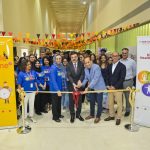
Additionally, inspectors took note of the Salalah Volunteers Team, whose dedication to public service demonstrably enhances the quality of life for residents. The presence of accessible recreational spaces, such as the sports walkway, was also viewed positively. Even commercial hubs like the Salalah Grand Mall were considered in terms of their potential contribution to community well-being through providing safe, accessible meeting points and promoting physical activity.
The Path Forward: Collaborative Efforts for Salalah’s Wellness
The WHO assessment team emphasized that achieving Healthy City status requires a concerted and collaborative approach. They stressed the paramount importance of strong partnerships between government departments, local businesses, and community institutions. This collaboration is crucial for implementing effective, sustainable initiatives that address the diverse health needs of the population.
A key takeaway from the visit was the need for continued investment in preventative healthcare and the promotion of healthy lifestyles. This includes initiatives that encourage physical activity, healthy eating, mental well-being, and environmental sustainability. The long-term vision is to create a city where health is not merely the absence of disease, but a thriving state of complete physical, mental, and social well-being for all. The assessment of environmental quality will also assist in long term planning.
Towards a Healthier Future for Dhofar Governorate
The WHO assessment represents a pivotal moment for Salalah and the Dhofar Governorate. Receiving accreditation as a Healthy City would not only elevate Salalah’s international profile as a desirable place to live and visit, but would also unlock opportunities for further investment and development in health-related infrastructure and programs. It can highlight Salalah as a leading example of urban planning that prioritises health.
The findings of the assessment will be used to develop a comprehensive action plan, outlining specific steps Salalah needs to take to meet the WHO’s requirements. This plan will likely involve strengthening existing programs, implementing new initiatives, and fostering greater collaboration between all stakeholders. The team expects to see continued progress in the coming months and years, ultimately contributing to a healthier and more sustainable future for the residents of Salalah.
The successful navigation of this assessment process demonstrates Salalah’s commitment to providing a high quality of life for its citizens. Residents and visitors alike are encouraged to engage with local health initiatives and contribute to the ongoing efforts to build a truly healthy city. We invite you to learn more about the initiatives in Salalah and how you can contribute to their success.