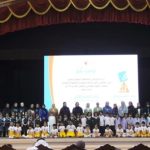
National Bank of Kuwait (NBK) continues to champion financial literacy among Kuwait’s youth, recently hosting a three-day dialogue session with principals from participating government and private schools. The event, held at the Grand Hyatt Hotel from November 24-26, focused on the highly successful Bankee program, the largest of its kind in the country. This initiative aims to equip elementary school students with foundational economic understanding and cultivate strong ethical values related to money management.
Strengthening Financial Literacy Through Collaboration
NBK’s commitment to education is unwavering, and the Bankee program exemplifies this dedication. Developed in partnership with the Ministry of Education and the Anti-Corruption Authority “Nazaha,” Bankee goes beyond simply teaching children about earning and spending. It actively fosters a sense of responsibility, honesty, and teamwork, recognizing that financial education is intrinsically linked to character development. The open dialogue sessions represent a crucial step in refining the program and ensuring its ongoing relevance within the Kuwaiti educational system.
A Platform for Shared Learning
The core objective of these sessions was to create a collaborative environment where school principals could share their experiences and insights. Discussions centered on maximizing the program’s impact for both students and educators. New participating schools benefitted immensely from learning best practices from those with established experience, understanding the nuances of implementation within a classroom setting. This peer-to-peer learning is a significant aspect of Bankee’s sustained success.
Positive Impact Observed Across the Board
Principals consistently reported positive changes in student behavior and a noticeable improvement in financial awareness following the program’s implementation. Participants lauded NBK’s support of education and highlighted Bankee’s pivotal role in instilling vital life skills. Crucially, the positive effects weren’t confined to the classroom. Parents also expressed their satisfaction, observing more responsible financial habits developing at home.
Teachers also shared enthusiastic feedback, praising the program’s interactive and engaging content. They noted how the real-world simulations within Bankee made complex economic concepts accessible and memorable for young learners. The program’s focus on values like honesty and discipline was also consistently well-received, contributing to a more well-rounded educational experience.
Bankee Program Statistics: Reaching New Heights
The impact of Bankee is quantifiable. Manal Al-Mattar, EVP – Head of Group Corporate Communications at National Bank of Kuwait, shared impressive statistics, revealing the program’s remarkable growth. “Since its launch, Bankee achieved remarkable success and rapid growth with many public and private schools participating for many academic years with around 100 schools participating this year and 10,000 teachers,” she stated.
This widespread adoption has translated into a significant reach, with over 50,000 students positively impacted by the program. Al-Mattar emphasized that Bankee doesn’t just teach about financial responsibility; it actively enhances saving skills and promotes a proactive approach to money management from a young age. Field visits by school administrations and parents have further confirmed the program’s effectiveness in shaping student behavior and improving their financial decision-making abilities.
Continuous Improvement and Future Outlook
NBK isn’t resting on its laurels. The Bankee program is undergoing continuous development, driven by feedback from educators and students alike. Sumaya Al-Jassim, CEO of Creative Confidence, the company responsible for program implementation, explained that this year’s version features a “complete and comprehensive revamp aimed at enhancing the learning experience.”
Enhancements to the Learning Experience
These enhancements include a redesigned digital platform with new features, expanded financial literacy content, and more interactive in-class activities. Al-Jassim stressed that the improvements directly address suggestions made by teachers and learners in the previous year, demonstrating a commitment to responsiveness and user-centric design. This iterative approach ensures the Bankee program remains cutting-edge and aligned with the evolving needs of the educational landscape.
NBK recognizes that fostering financial literacy is a shared responsibility. The bank firmly believes in the power of public-private partnerships to equip future generations with the knowledge and skills they need to thrive. Investing in people is considered the most important form of investment, and a cornerstone of NBK’s corporate social responsibility strategy, ultimately contributing to sustainable development within Kuwait. The executive management at NBK remains dedicated to closely monitoring the program’s implementation through regular school visits, actively engaging with parents and witnessing firsthand the positive changes it brings about in children’s lives.
This commitment to continuous improvement and collaboration positions the Bankee program as a leading initiative in Kuwait, paving the way for a more financially literate and responsible future. For more information on NBK’s corporate social responsibility initiatives, and how to get your school involved in the Bankee program, please visit the National Bank of Kuwait website.