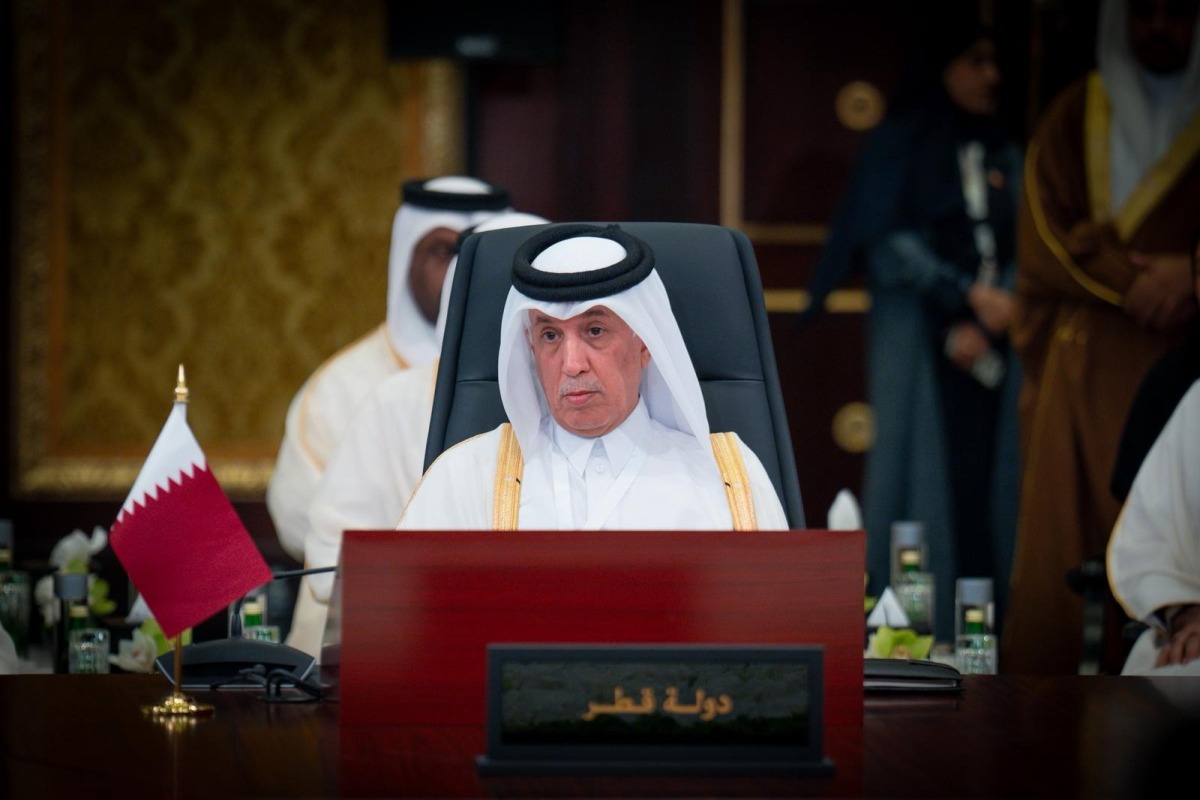

Manama, Bahrain – The State of Qatar actively participated in the 166th ministerial meeting preceding the 46th session of the Supreme Council of the Gulf Cooperation Council (GCC) on Sunday. This significant GCC meeting, held in the Bahraini capital, focused on regional security, economic integration, and diplomatic efforts to address ongoing challenges. The Qatari delegation, led by Minister of State for Foreign Affairs HE Sultan bin Saad Al Muraikhi, engaged in discussions aimed at strengthening cooperation amongst member states.
The ministerial meeting serves as crucial preparatory stage for the upcoming 46th session of the GCC Supreme Council. This session will bring together the heads of state from all six member nations – Qatar, Bahrain, Kuwait, Oman, Saudi Arabia, and the United Arab Emirates – to deliver final decisions on key regional policies. The preparatory meeting in Manama sought to build consensus on these issues, paving the way for productive discussions at the summit level.
Qatar’s Role in the GCC Discussions
Qatar’s participation in the GCC meetings underscores its commitment to collaborative security and economic initiatives within the Gulf region. The discussions likely included updates regarding efforts to de-escalate regional tensions and foster a more stable environment. According to reports from the Bahrain News Agency, the ministers reviewed several proposals and draft resolutions to be submitted to the Supreme Council.
Recent diplomatic activity suggests a focus on strengthening ties after a period of strained relations between Qatar and some other GCC members. The resolution of the Qatar diplomatic crisis in 2021 has been a central factor in improving regional cooperation. The current discussions likely build upon the progress made since the AlUla summit, where the dispute was formally resolved.
Key Areas of Focus
While specific details of the Qatari delegation’s contributions haven’t been publicly released, several key themes are expected to have been prominent in the talks. These included discussions on joint defense strategies, particularly concerning maritime security and protection of critical infrastructure.
Additionally, economic integration initiatives, such as the completion of the customs union and the development of a unified digital market, were likely on the agenda. Diversifying economies away from reliance on oil revenues remains a significant goal for GCC members, and collaborative efforts are vital for success. Furthermore, the ongoing situation in Yemen and broader regional stability were noted as potential points of conversation.
The GCC also continues to navigate complex relationships with external powers, including the United States, China, and Iran. The ministerial meeting provides a platform for coordinating foreign policy approaches and representing a unified GCC stance on international matters. Al Jazeera reports that discussions relating to these external relationships were a significant component of the preparatory meetings.
In contrast to previous years marked by division, recent GCC meetings have demonstrated a growing emphasis on unity and collective action. Qatar has consistently voiced its support for a strong and unified GCC, believing that regional challenges are best addressed through collaboration. However, differences in national priorities and foreign policy orientations still exist and require careful management.
The agenda for the 46th GCC Supreme Council session is expected to be wide-ranging, encompassing political, economic, and security issues. Discussions on climate change, food security, and healthcare may also feature prominently. Successful outcomes hinge on the ability of member states to overcome lingering disagreements and forge a common path forward. The challenge of maintaining a cohesive regional policy continues to be a primary consideration.
Following the ministerial preparations, the 46th session of the GCC Supreme Council is scheduled to convene in Manama. A final communiqué outlining the decisions and resolutions adopted by the heads of state is anticipated shortly after the summit’s conclusion. Observers will be keenly watching for specific developments concerning intra-GCC relations, regional security initiatives, and the overall direction of the council’s future policies.