
The Nordic startup ecosystem is experiencing a period of rapid growth, exceeding previous benchmarks and challenging established tech hubs like Silicon Valley. Recent successes, such as Lovable achieving $200 million in revenue within its first year, highlight the region’s increasing capacity for producing high-value companies. This surge is attracting attention from investors and prompting analysis of the factors driving this momentum within the Nordic startup ecosystem.
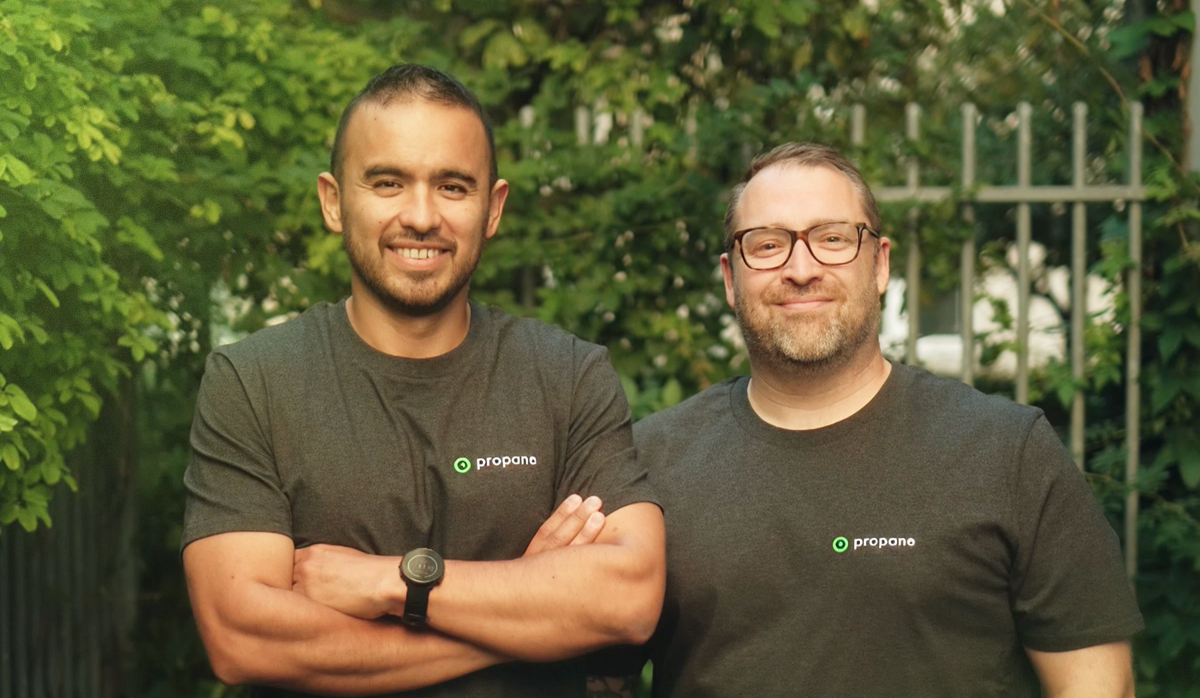
Denmark, Sweden, Norway, Finland, and Iceland are collectively becoming a hotbed for innovation, particularly in deep tech and software. The region’s emphasis on collaboration, combined with robust social safety nets for founders, is often cited as key differentiators. A recent TechCrunch Equity podcast featuring Dennis Green-Lieber, founder of Propane, explored these dynamics and the rapid evolution of the Nordic tech scene.
Why the Nordic Startup Ecosystem is Thriving
Several interconnected factors contribute to the flourishing Nordic startup ecosystem. Unlike the high-stakes, all-or-nothing pressure often found in Silicon Valley, founders in the Nordics generally have more financial security, allowing them to embrace risk and pursue ambitious goals. According to OECD data, Nordic countries consistently rank highly in social support indicators.
This safety net is coupled with a strong emphasis on education and research. The region boasts world-class universities and a skilled workforce, creating a fertile ground for technological advancements and attracting international talent. Finland, for example, has consistently invested heavily in research and development, resulting in a disproportionately high number of startups per capita.
The Role of Collaboration and Culture
A notably collaborative culture distinguishes the Nordic region from more competitive environments. Founders are often willing to share knowledge and resources, fostering a supportive network that benefits all participants. This stems partly from a long tradition of social democracy and collective responsibility.
Additionally, there’s a pragmatic and understated approach to business, often described as “Janteloven” – a social code that discourages boasting and emphasizes equality. While potentially limiting individual self-promotion, this culture can also promote a focus on substance and long-term value creation, which appears to be attracting investors wary of hype.
Government Support & Investment Trends
Government initiatives play a crucial role. Nordic governments often provide funding, tax incentives, and streamlined regulations to encourage entrepreneurship. The Finnish government, for example, launched a “Slush” event that’s become one of the largest startup events in Europe, further boosting visibility for local companies.
Investment in the region has steadily increased. While early-stage funding rounds were once relatively modest, recent years have witnessed a surge in larger deals, including the billion-dollar valuations achieved by companies like Klarna. This increase is driven by both local and international venture capital firms recognizing the potential of Nordic innovation.
Deep Tech as a Key Driver of Nordic Growth
While the Nordic region has produced successful companies across various sectors, a burgeoning strength lies within deep tech. This includes advancements in areas like artificial intelligence, biotechnology, cleantech, and quantum computing.
The focus on sustainability is particularly strong, with a significant number of startups dedicated to developing innovative solutions for environmental challenges. This aligns with the region’s broader commitment to green policies and a circular economy.
Propane, founded by Dennis Green-Lieber, exemplifies this trend, utilizing AI to provide customer intelligence. Other notable deep tech companies from the Nordics include Einride (electric freight transportation) and Northvolt (battery manufacturing), attracting substantial investment and global recognition.
However, scaling these deep tech ventures presents unique hurdles. These companies often require significant capital investment and a longer time horizon to reach profitability compared to more traditional software businesses. Overcoming these challenges will be critical for continued growth.
Comparing the Nordic Model to Silicon Valley
The Nordic startup ecosystem presents a compelling alternative to Silicon Valley’s more aggressive and often risk-intolerant model. Silicon Valley thrives on rapid iteration and a willingness to fail quickly, fueled by abundant venture capital. Meanwhile, the Nordic approach emphasizes sustainable growth and a more balanced lifestyle for founders.
This difference is reflected in the types of companies emerging from each region. Silicon Valley remains dominant in consumer-facing tech, whereas the Nordics are increasingly focused on solving complex, real-world problems through innovation.
Green-Lieber, in his appearance on the Equity podcast, argued that the Nordic model is actually *accelerating* faster than Silicon Valley due to the reduced pressure and increased ability to take larger risks. This assertion, while anecdotal, highlights a growing sentiment that a more sustainable and equitable approach to innovation can be highly effective.
Despite these differences, both ecosystems benefit from the network effect – the value of a startup increases as more companies and talent congregate in the area. Each region also faces unique challenges, including talent acquisition and navigating complex regulatory environments.
Looking ahead, the Nordic region is expected to continue attracting investment and producing innovative companies. The key will be maintaining the core values of collaboration, sustainability, and social responsibility while scaling effectively to compete on a global stage. Developments in government policy regarding venture capital and employee stock options will be crucial to monitor, as these could significantly impact the pace of growth. Furthermore, the long-term impact of global economic uncertainties on investment flows is an ongoing concern.