
Doha, Qatar – Qatar is preparing for its winter season, which officially begins in December. According to the Qatar Meteorology Department (QMD), the month will be characterized by the passage of European frontal systems and brings with it a period of potentially unstable weather and the prevalence of Shamal winds. Tourists and residents should be prepared for fluctuating temperatures as the country transitions into cooler months.
The QMD’s monthly climate information update indicates an average temperature of 19.8°C is expected for December across Qatar. This marks a significant shift from the high temperatures experienced during the summer months. While average temperatures are forecast, historical data shows a wide range, with the lowest recorded temperature being 6.4°C in 1963 and the highest reaching 32.7°C in 2010.
Understanding December’s Weather in Qatar
December represents a key transition within Qatar’s climate, shifting from the heat of autumn to the comparatively cooler and often unsettled conditions of winter. The weather patterns are largely driven by frontal systems originating over Europe, bringing with them changes in air pressure and temperature. These systems typically result in periods of wind and potential precipitation.
The Role of Shamal Winds
The QMD specifically highlights December as the season for Shamal winds – strong, northwesterly winds that can significantly impact visibility and sea conditions. These winds are a characteristic feature of the Gulf region during the winter months and play a role in the cooler temperatures experienced. Shamal winds often carry dust, reducing air quality.
The report indicates that a common pattern involves unstable weather conditions *prior* to the arrival of a frontal system. This instability frequently manifests as increased cloud cover and a greater chance of showers. Following the passage of the front, Qatar usually experiences a surge in fresh to strong northwesterly winds, defining a typical December weather sequence.
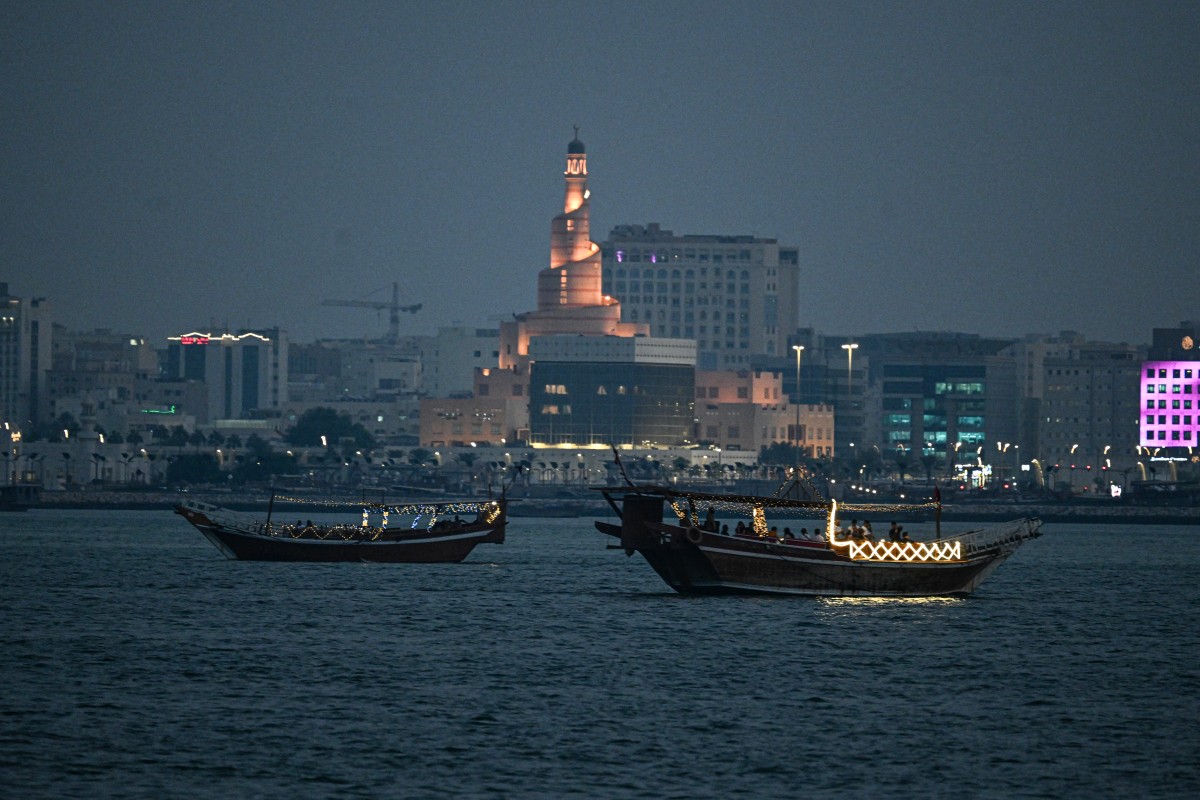
These weather fluctuations impact various sectors, including maritime activity and outdoor events. Boat tours along the Doha Corniche, a popular tourist attraction, may experience disruptions or cancellations during periods of strong winds and rough seas. Additionally, construction and transportation industries need to consider potential delays due to reduced visibility caused by dust and wind. The Peninsula provides further local news coverage.
Qatar’s climate is generally arid, with low annual rainfall. However, December often sees a greater likelihood of precipitation compared to other months, though significant, prolonged rainfall is still relatively uncommon. The country relies heavily on desalination for its freshwater needs, making monitoring weather patterns and potential impacts on water resources vital. Qatar Tribune offers further insights.
The arrival of cooler temperatures also coincides with an increase in tourism, as the previously oppressive heat subsides. This influx of visitors boosts the hospitality industry and contributes to the overall economic activity during the winter months. The moderate weather makes outdoor activities, such as exploring desert landscapes and visiting cultural sites, more enjoyable. This supports Qatar’s plans to become a significant tourism hub—detailed in the Visit Qatar website.
Looking ahead, the QMD will continue to issue daily and weekly weather forecasts, providing more specific details on expected temperatures, wind speeds, and chances of precipitation. The accurate prediction of these frontal systems and Shamal winds remains a priority for ensuring public safety and minimizing disruptions to daily life. Monitoring sea state forecasts will also be crucial for maritime operations throughout the season. Further updates regarding long-term weather trends will be released by the department in January.