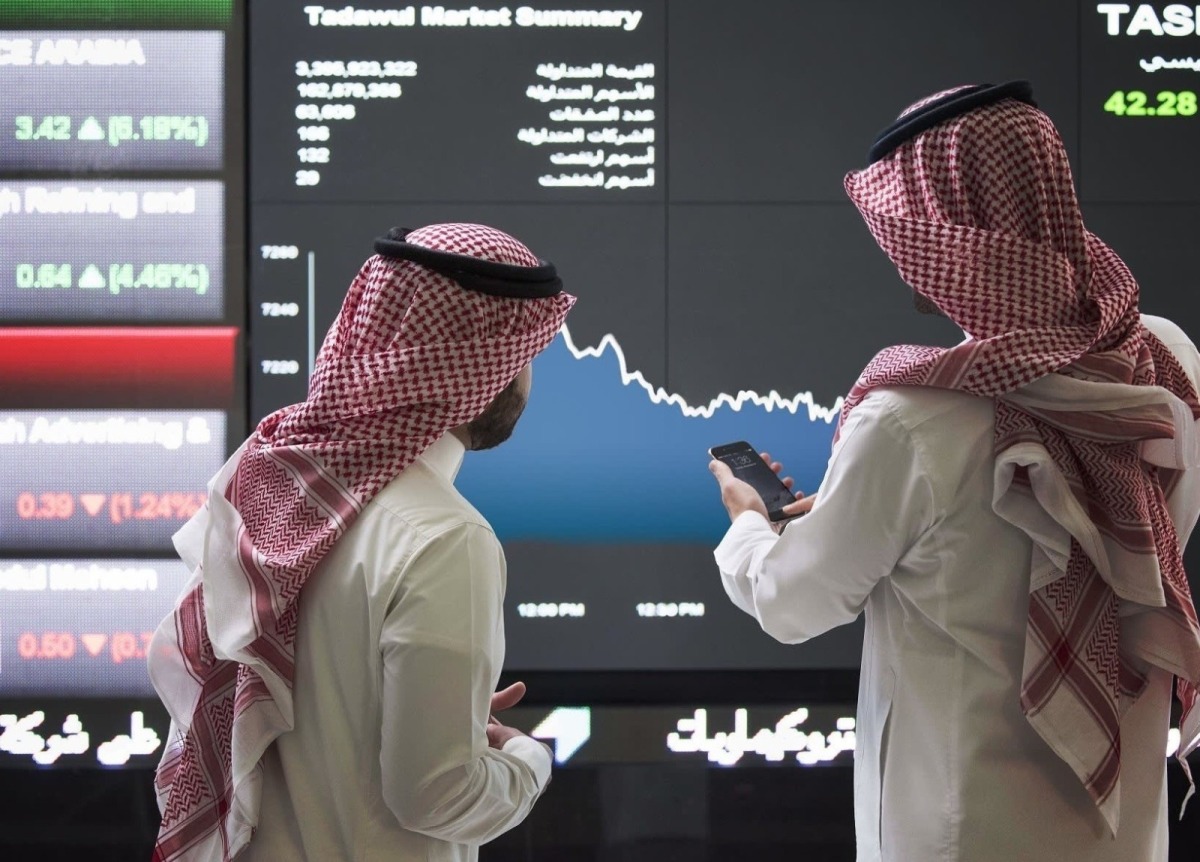

Riyadh – The Saudi stock market experienced a downturn on Sunday, with the Tadawul All Share Index (TASI) closing at 10,590.88 points, a decrease of 49.77 points. Trading volume reached SR 2.1 billion, reflecting moderate activity in the Saudi stock market. This decline follows a period of relative stability and comes amid broader global economic uncertainties.
The Parallel Saudi Stock Index (Nomu), catering to smaller and emerging companies, also saw a decrease, closing at 23,902.96 points after losing 113.97 points. Approximately 129 million shares were traded across both indices during the session, with more companies experiencing losses than gains. This indicates a cautious sentiment among investors.
Understanding the Recent Dip in the Saudi Stock Market
The overall decrease in the Saudi stock market on Sunday was broad-based, affecting a significant number of listed companies. According to data released by the Saudi Exchange (formerly Tadawul), 38 companies saw their share values increase, while 220 experienced declines. This divergence suggests sector-specific factors may also be contributing to the market’s performance.
Factors Influencing Market Sentiment
Several external and internal factors likely contributed to Sunday’s trading activity. Global oil price fluctuations continue to impact investor confidence in the Saudi economy, heavily reliant on petroleum revenues. Recent economic data releases from major economies, including the United States and China, have also sparked concerns about potential slowdowns in global growth.
Additionally, interest rate decisions by central banks worldwide are being closely monitored. While Saudi Arabia typically mirrors US Federal Reserve rate moves to maintain its currency peg, the potential for further tightening could affect borrowing costs for companies and dampen economic expansion. The Saudi Central Bank (SAMA) has maintained a cautious approach to monetary policy, balancing the need to control inflation with supporting economic activity.
Sector Performance
While comprehensive sector-by-sector analysis is ongoing, initial reports indicate that banking and petrochemical sectors experienced notable pressure during the trading session. This could be linked to concerns about potential impacts from rising interest rates and shifts in global demand, respectively. Other sectors, like retail, showed mixed performance.
The Nomu index’s decline illustrates challenges faced by smaller enterprises. Factors like limited liquidity and potential difficulties accessing capital can make these companies more susceptible to market downturns. However, the Nomu index also presents opportunities for high-growth potential, attracting a different type of investor focused on long-term prospects.
Despite the negative movement, the total trading value of SR 2.1 billion suggests the Saudi stock exchange remains active. This level of activity is consistent with typical market fluctuations, and doesn’t necessarily signal a significant shift in long-term prospects. Further analysis is needed to discern whether this is the beginning of a larger correction or a temporary pullback.
Looking ahead, market participants will be closely watching upcoming earnings reports from major Saudi companies for insights into their financial performance. These reports, alongside further developments in the global economic landscape and oil market, will likely shape investor sentiment in the coming weeks. The potential for Saudi Vision 2030 initiatives to stimulate economic growth also remains a key factor influencing the stock market’s outlook.
Analysts also expect continued scrutiny of government policies and their impact on various sectors. Changes related to foreign investment regulations or infrastructure projects could present opportunities or challenges for listed companies. Monitoring the Saudi Arabian Monetary Authority (SAMA) reports concerning liquidity and lending will also be crucial to understanding the health of the broader economy.
The next trading session will be a critical indicator as investors assess whether the downturn was an isolated event. Any significant news or economic announcements before then could greatly influence market direction. Attention will be paid to ongoing developments in geopolitical situations, which often impact regional financial markets.
Saudi Exchange (Tadawul) provides further data and analysis.