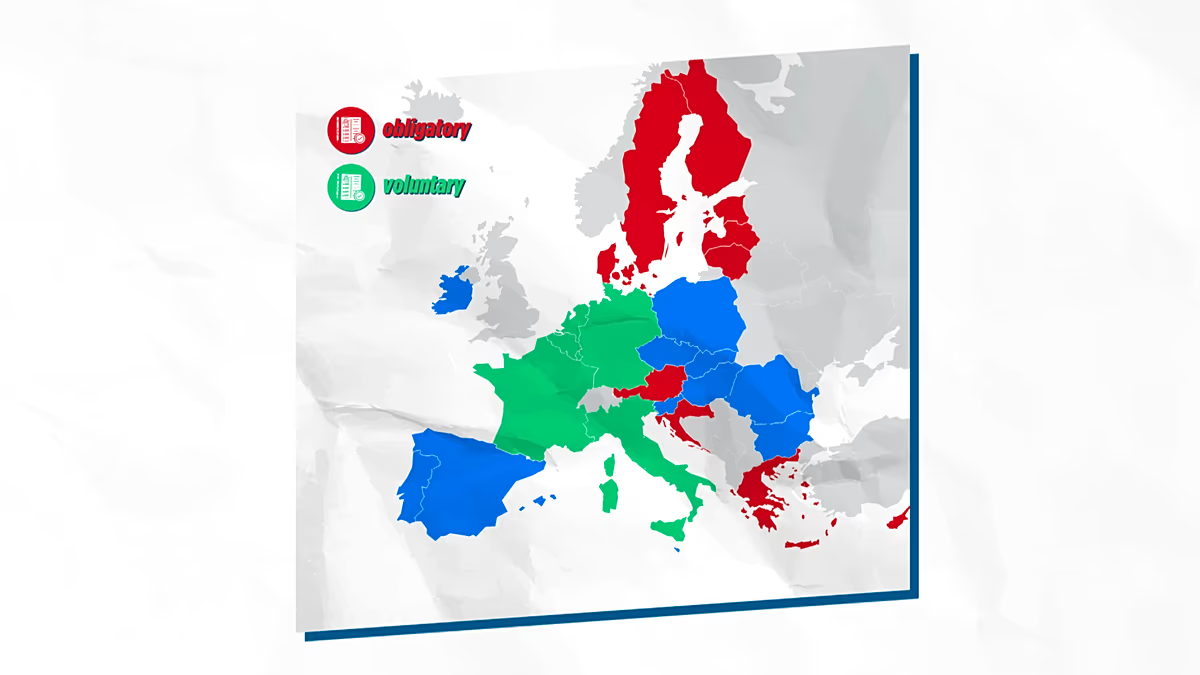

Across Europe, a significant shift in defense policies is underway, marked by a resurgence of conscription in response to escalating geopolitical tensions. From Germany preparing questionnaires for 18-year-olds to existing mandatory service in ten EU nations, governments are revisiting preparedness for potential conflict. This trend, fueled by the ongoing war in Ukraine and warnings about future confrontations with Russia, raises questions about the future of military service and its impact on society.
The discussion around mandatory military service gained prominence after the French army chief of staff cautioned about a potential war with Russia by 2030, stating a willingness to accept losses to defend national interests. This statement, combined with the strains placed on European nations by supporting Ukraine, has accelerated efforts to bolster defense capabilities, leading to the re-evaluation of strategies surrounding national service and military enrollment.
The Return of Conscription: A Growing European Trend
Ten European Union member states currently have some form of compulsory military service for men, including Austria, Finland, Greece, and others. However, the approach varies considerably. Some countries focus on basic training, while others incorporate alternative civilian service options. According to the European Defence Agency, the move signifies a broader acknowledgement of evolving security challenges.
Germany is scheduled to introduce a mandatory registration process for 18-year-olds in 2024, requiring them to complete a questionnaire about their skills and preparedness for potential service. Deutsche Welle reports the questionnaires will be used to assess the nation’s defense readiness but won’t immediately lead to drafting. Notably, Germany’s constitution currently prohibits compulsory service for women.
Nordic and Eastern European Approaches
The Nordic countries offer a contrasting perspective. Both Denmark and Sweden practice gender-equal conscription, requiring both men and women to undergo military training. Norway was a pioneer in this regard, becoming the first NATO ally to include women in its draft. These policies reflect a broader commitment to equal responsibility in national defense.
Eastern European nations, historically more focused on defense due to proximity to Russia, have generally maintained conscription policies. The ongoing conflict in Ukraine further reinforces the perceived need for robust national militaries in this region.
Meanwhile, Ukraine itself provides a stark example of widespread female participation in the military. Over 70,000 women are currently serving, with approximately 20,000 engaged in direct combat roles, a number that rivals the total military strength of some smaller European nations. This level of involvement demonstrates a nation fully mobilized in defense of its sovereignty.
The economic implications of large-scale conscription are also being considered. Building and maintaining sizable armed forces requires significant financial investment, potentially diverting funds from crucial areas like healthcare and technological innovation. However, proponents argue that the cost of inaction, and the potential loss of national sovereignty, far outweighs these financial concerns.
NATO allies, while largely reliant on voluntary forces, acknowledge the potential benefits of a broader pool of trained personnel. Some analysts suggest that the current situation in Ukraine provides a degree of strategic space for these discussions, as Ukrainian forces are bearing the brunt of the conflict. It is vital for these nations to assess their own preparedness and recruiting trends.
Beyond simply increasing troop numbers, modernization of military equipment and enhanced training programs are gaining significance. Investment in advanced defense technologies and a focus on adaptability are considered essential to effectively address modern warfare scenarios.
The debate about conscription is complex, encompassing legal, ethical, and economic considerations. The coming years will likely see further policy adjustments as European nations grapple with the evolving security landscape. Watch for potential changes to Germany’s constitution regarding female conscription and further discussion within NATO regarding collective defense strategies. Considering your own readiness and staying informed about these developments will be important as the situation continues to unfold.