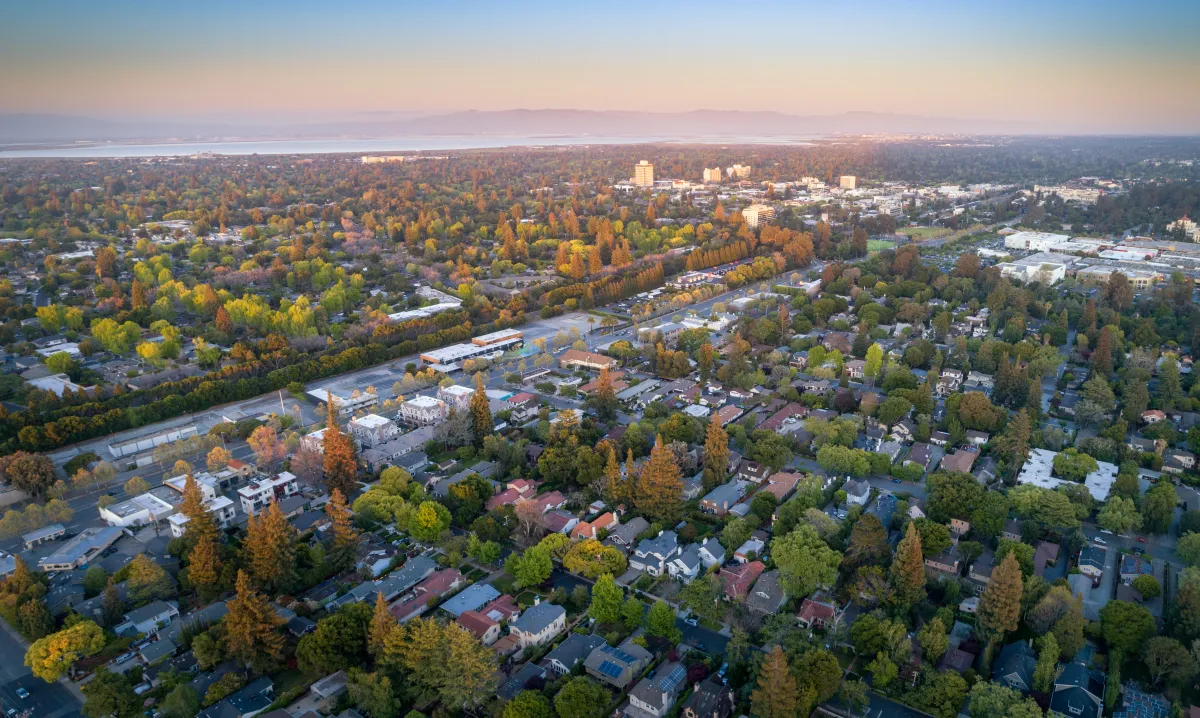

Silicon Valley is abuzz with anticipation for an upcoming event featuring groundbreaking technological advancements, signaling potential shifts in the future of computing and biotechnology. The StrictlyVC event, scheduled for October 13-15, 2026, at PlayGround Global in Palo Alto, will spotlight innovators working on technologies poised to reshape industries. This year’s lineup focuses heavily on pushing the boundaries of hardware and neural interfaces, areas increasingly crucial in the age of artificial intelligence.
Hosted by PlayGround Global and Intel’s former CEO Pat Gelsinger, the event draws together venture capitalists and industry leaders to discuss emerging technologies before they hit mainstream consciousness. Past events have featured early glimpses of now-dominant companies, fostering a reputation for identifying the next big thing. This year’s forum builds on a global series previously supported by TechCrunch, with prior iterations held in Washington D.C., Athens, and San Francisco.
The Future of Semiconductor Manufacturing
A significant challenge facing the tech sector is the reliance on a single Dutch company, ASML, for the highly complex machinery used in advanced semiconductor fabrication. According to reports, these machines cost upwards of $400 million each. Nicholas Kelez, a former particle accelerator physicist from the Department of Energy, is addressing this bottleneck by developing next-generation semiconductor manufacturing technologies within the United States.
Leveraging Particle Accelerator Technology
Kelez’s approach utilizes principles from particle accelerator physics to create new manufacturing processes. While details remain limited, the implication is that this technology could reduce dependence on foreign-made equipment and accelerate innovation in chip design. This development comes amid growing government and industry efforts to bolster domestic semiconductor production, driven by national security concerns and supply chain vulnerabilities. Competition in this space is intensifying, with several companies pursuing alternative lithography techniques.
Neural Interfaces and Biohybrid Computing
The event also promises a deep dive into the rapidly evolving field of brain-computer interfaces (BCIs). Mina Fahmi, founder of Sandbar, is showcasing a ring that converts whispered thoughts into text. This technology stems from research conducted at Meta with co-founder Kirak Hong, where they built upon previous work in non-invasive neural signal processing.
Meanwhile, Max Hodak, founder of Science Corp and formerly of Neuralink, is pushing the boundaries of invasive BCI technology. Hodak has already demonstrated success in restoring vision to individuals with blindness using retinal implants. His current work focuses on “biohybrid” interfaces, aiming to integrate chips with stem cells to facilitate seamless growth within brain tissue. This could potentially restore motor function to paralyzed individuals by allowing them to control devices directly with their thoughts.
Hodak reportedly believes the world will be dramatically different by 2035, highlighting the potential for rapid progress in BCI and related fields. The implications of such technology extend far beyond medical applications, raising ethical questions about cognitive enhancement and the future of human interaction with machines.
Navigating the Current Tech Landscape
Amidst the excitement around emerging technologies, two seasoned venture capitalists, Chi-Hua Chien of Goodwater Capital and Elizabeth Weil of Scribble Ventures, will offer their perspectives on the current state of Silicon Valley. They suggest that the prevailing focus on enterprise AI is a misdirection, and will likely share their insights on overlooked areas ripe for investment.
Both Chien and Weil have proven track records of identifying successful companies early in their lifecycle, including backing Twitter, Spotify, TikTok, SpaceX, Figma, and Coinbase. Weil’s recent fund demonstrates a 4x return, underscoring her ability to spot lucrative opportunities. Their critique of the current investment climate provides a counterpoint to the widespread enthusiasm surrounding generative AI.
The StrictlyVC event serves as a crucial platform for discussing not only the technical aspects of these advancements but also their broader economic and societal consequences. The convergence of physics, neuroscience, and venture capital promises a thought-provoking exploration of the future.
Following the event, continued advancements in semiconductor manufacturing and neural interface technology are anticipated. The long-term success of these initiatives will depend on overcoming significant technical hurdles, securing substantial funding, and navigating evolving regulatory frameworks. The next 12-18 months will likely reveal more concrete details about Sandbar’s technology and the progress made by Science Corp in its biohybrid BCI research.