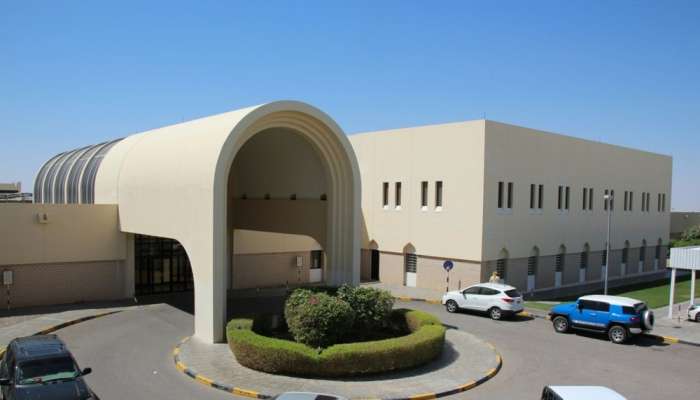

The Al Dhahirah Governorate in Oman is experiencing a significant transformation in its healthcare infrastructure and services, driven by the Ministry of Health’s commitment to achieving the ambitious goals of “Oman Vision 2040.” These developments are focused on enhancing the healthcare in Ibri and across the region, ensuring citizens have access to high-quality, sustainable medical care. Recent initiatives demonstrate a dedication to modernizing facilities, expanding service offerings, and leveraging digital technologies to improve patient outcomes and overall health indicators.
Expanding Healthcare Services in Al Dhahirah Governorate
Dr. Ahmed Said Al Kalbani, Director General of Health Services in Al Dhahirah Governorate, highlighted the Ministry’s proactive approach to strengthening health institutions and elevating the patient experience. This is being achieved through substantial investments in infrastructure, the implementation of cutting-edge services, and the adoption of innovative digital solutions. The overarching aim is to boost operational efficiency and deliver comprehensive healthcare in Ibri and surrounding areas that truly meets the needs and expectations of the population.
New Facilities and Expanded Capacity
This year has witnessed the launch of several vital projects representing a significant leap forward for the health services system in Al Dhahirah. Notably, a new dialysis unit has been established in the Wilayat of Dhank, alleviating pressure on referral hospitals and providing crucial services closer to home for patients requiring dialysis treatment. Furthermore, the Al Dreez Health Center in the Wilayat of Ibri has been inaugurated, bolstering the primary healthcare network within the governorate.
A key partnership with Petroleum Development Oman (PDO) and Daleel Company has resulted in an agreement to expand the Emergency Department at Ibri Referral Hospital. This expansion will increase capacity and improve the quality of emergency care available to residents. Additionally, a Peritoneal Dialysis Unit is being established to broaden the range of therapeutic options for individuals suffering from renal failure. These expansions demonstrate a commitment to providing specialized medical services in Oman.
Introducing Advanced Medical Services
The Directorate General has been proactive in introducing new medical services to enhance patient care. Plasma therapy and advanced ultrasound services are now available in various health institutions. To improve accessibility and reduce response times, 24-hour services have been implemented at the Ibri Health Complex, and 24-hour laboratory and radiology services are now offered at Yanqul Hospital. These extended hours ensure that patients can receive timely medical attention when they need it most.
Digital Transformation for Improved Efficiency
Recognizing the power of technology, the Directorate is rapidly implementing smart systems to modernize healthcare delivery. Three key initiatives are currently underway. The Electronic Retinal Examination System aims to facilitate the early detection of retinopathy in diabetic patients, a critical step in preventing vision loss. The Electronic Drug Inventory Management System, recognized as the best digital transformation initiative in the Sultanate of Oman for 2025, streamlines medication management and reduces errors.
Furthermore, the National Health Survey is being conducted to gather accurate data that will inform future health planning and resource allocation. This data-driven approach ensures that healthcare strategies are aligned with the evolving needs of the population. This focus on digital health solutions is crucial for long-term sustainability.
Positive Health Indicators and Workforce Development
The impact of these initiatives is already evident in improved health indicators. Early pregnancy registration rates have increased from 82% in 2024 to 90% in the first half of 2025. Anemia rates among nine-month-old children have decreased from 37% to 26%, and exclusive breastfeeding rates have risen from 59% to 62.5%. These improvements are a direct result of intensive awareness and educational programs.
The Directorate General places a strong emphasis on the continuous professional development of its workforce. Specialized training programs, delivered by the Training Department and the Development and Professional Guidance Department, are designed to enhance the skills and knowledge of medical and administrative staff. Partnerships with educational institutions, both within and outside Oman, further contribute to the ongoing development of national healthcare professionals.
Qualitative Initiatives and Patient-Centric Care
Beyond infrastructure and technology, the Directorate has launched several qualitative initiatives to improve the patient experience. These include the Breastfeeding Support Team, an electronic vaccination registration program for health workers, the ‘Aoun’ (assist) initiative to support needy patients, and a shared leadership initiative in primary healthcare institutions. A community communication service via instant messaging for Ibri Hospital has also been established, fostering direct communication between healthcare providers and the community.
The ongoing development and continuous improvement of the health system in Al Dhahirah Governorate, through the adoption of modern technology, enhanced service delivery, and investment in national talent, ensures the sustainability and quality of healthcare in Ibri. This commitment aligns with the vision of Oman’s leadership to build an integrated health system that prioritizes the well-being of its citizens. For more information on health services available, residents are encouraged to contact their local health center or visit the Ministry of Health website.