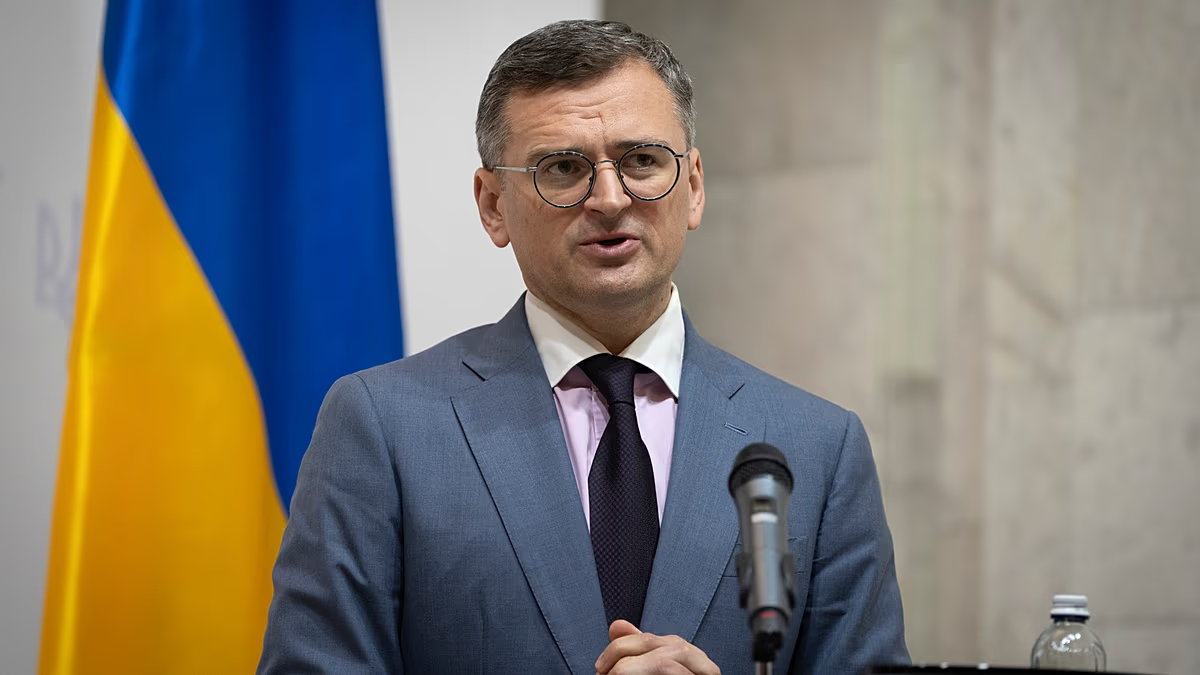

Ukraine’s former Foreign Minister Dmytro Kuleba has sharply criticized proposals to limit the size of Ukraine’s armed forces as part of any potential peace agreement with Russia, calling it a national humiliation. The debate centers on troop ceilings outlined in a draft framework presented to Ukrainian President Volodymyr Zelenskyy by the US administration, and subsequent counterproposals. This comes as diplomatic efforts to end the conflict intensify, but face significant hurdles.
Kuleba’s comments, made during an interview with Euronews, underscore Kyiv’s firm stance against concessions that could compromise its long-term security. The original US-Russian plan reportedly suggested a cap of 600,000 Ukrainian soldiers, while a European counterproposal floated a higher limit of 800,000. However, EU officials have since moved away from any troop limitations for Ukraine, instead advocating for restrictions on the Russian military.
The Debate Over Ukraine’s Armed Forces
The core of the disagreement lies in differing views on how to ensure Ukraine’s future security. Western allies have increasingly focused on bolstering Ukraine’s military capabilities as a key deterrent against further Russian aggression. This strategy aims to reduce reliance on external security guarantees, such as potential NATO membership or Article 5-style assurances.
According to Kuleba, capping the size of Ukraine’s armed forces sends a dangerous message of weakness and vulnerability. He argued that such a limitation would effectively pave the way for future Russian aggression, despite any assurances offered. “If you establish a cap on the army (…) it’s a clear message that a foreign power humiliates your army, your nation,” he stated.
US-Led Peace Plan and its Fallout
The initial 28-point framework, reportedly originating from the Kremlin, sparked controversy after its details became public. Leaked calls between US and Russian envoys revealed the plan’s development and raised questions about the extent of US involvement in crafting a proposal that Kyiv views as unacceptable. Kuleba believes the plan has “already fallen apart” due to what he described as Washington’s handling of the situation.
Meanwhile, discussions continue regarding alternative security guarantees for Ukraine. These include exploring options similar to NATO’s Article 5, which pledges collective defense, without offering full membership. However, Kuleba expressed frustration with the pace of decision-making and the shifting focus of European leaders on various security models.
Shifting Focus to Russian Military Limitations
A growing consensus among some EU officials is that any peace deal should prioritize limiting the size and capabilities of the Russian army, rather than restricting Ukraine’s. EU foreign policy chief Kaja Kallas publicly stated this position on Wednesday, signaling a potential shift in negotiating strategy. This approach reflects concerns that a weakened Ukraine would be unable to defend itself against renewed Russian aggression.
Additionally, the broader geopolitical implications of the conflict are being considered. Kuleba warned that Europe faces a bleak future if current trends continue, criticizing the lack of a clear strategic vision among European leaders. He suggested that the ongoing debate over Ukraine’s security reflects a deeper uncertainty about Europe’s future role in the world.
The future of negotiations remains uncertain. The leaked details of the US-Russian plan and Kuleba’s strong objections have created significant obstacles to progress. Observers will be closely watching for any further shifts in the positions of key stakeholders and whether a viable path towards a lasting peace can be found. For more information on the ongoing conflict, see reporting from Reuters.