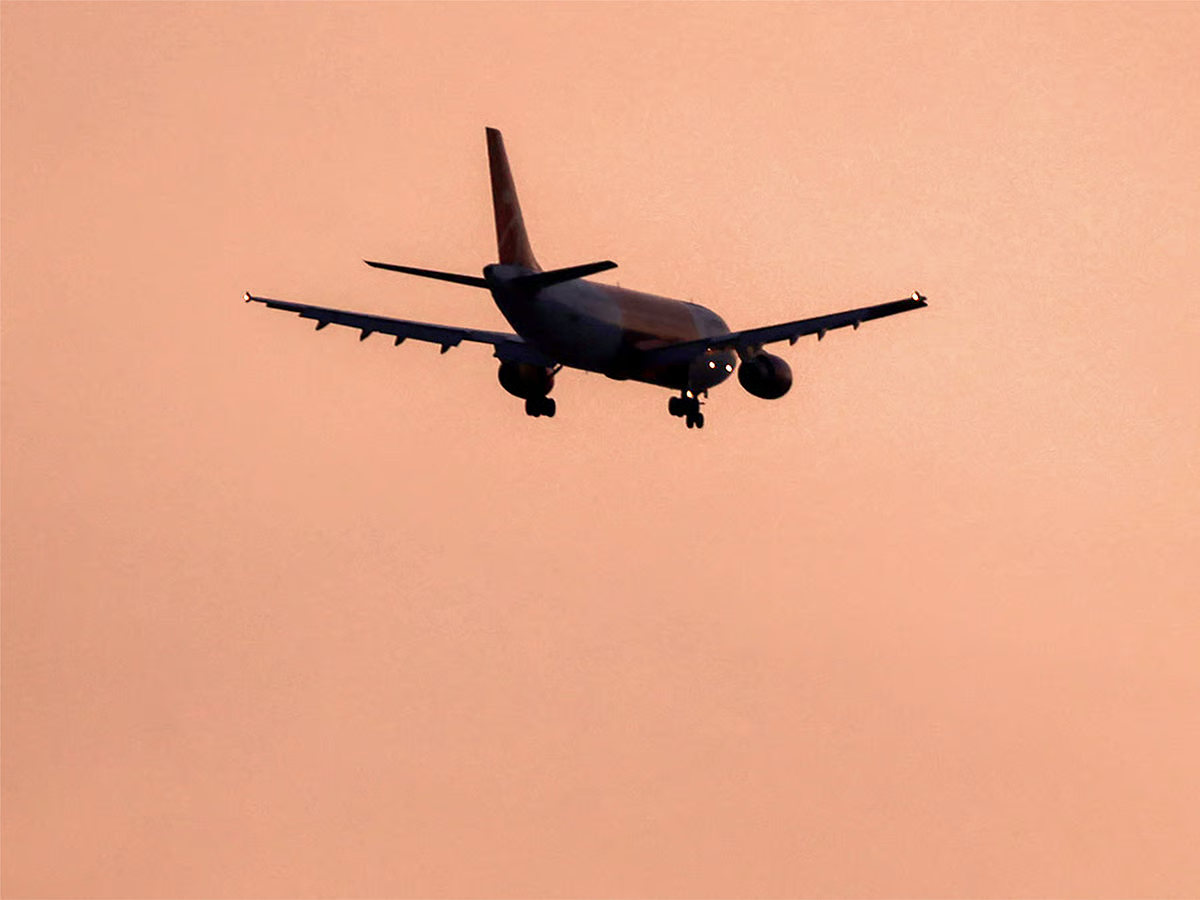

A global safety directive has prompted airlines to urgently inspect and update the flight control systems of approximately 6,000 Airbus A320 family aircraft. The action, initiated by the Federal Aviation Administration (FAA), follows an incident where a JetBlue flight from Cancun experienced a sudden loss of altitude. Investigations pointed to data corruption within the aircraft’s Elevator Aileron Computer (ELAC) system, potentially caused by unexpected solar radiation.
The issue affects A320 aircraft worldwide, impacting major carriers across North America, Europe, and Asia. Passengers experienced injuries on the JetBlue flight, triggering widespread concern and the need for a preventative solution. The FAA and Airbus are collaborating to ensure all affected planes receive the necessary updates to mitigate further risk.
Understanding the Airbus A320 Solar Radiation Issue
The unusual incident on the JetBlue flight was traced to a disruption in the ELAC, a critical component of the A320’s flight control system. Subsequent analysis indicated that intense solar radiation likely corrupted data within the computer, leading to the uncommanded altitude change. While data corruption events are rare, the potential for compromised control systems has prompted regulators to take swift action. This event highlights a vulnerability not previously considered a primary threat to modern commercial aviation.
Why High Altitude Increases Vulnerability
Aircraft routinely cruising at altitudes between 30,000 and 40,000 feet (9 to 12 kilometers) operate in an environment with significantly reduced atmospheric protection. At sea level, air molecules absorb the majority of damaging cosmic rays and solar particles. However, above approximately 28,000 feet, the atmosphere thins considerably, allowing more charged particles to penetrate.
These particles, stemming from solar flares and coronal mass ejections (CMEs), include protons, electrons, and electromagnetic waves. They can ionize the air and generate secondary radiation showers that affect both onboard electronics and passengers – though the passenger effect is generally considered low-level. According to Aerospace Global News, the effects range from temporary disruptions to permanent damage.
The risk is further exacerbated when flights take polar routes, as the Earth’s magnetic field, which normally deflects many of these particles, is weaker in these areas. This leaves aircraft more exposed to the full force of solar events.
Affected Airlines and the Scope of the Recall
The scope of the required updates is substantial, affecting a large proportion of the global A320 fleet. While an exact number is difficult to determine due to aircraft retirements and deliveries, it’s estimated that around 6,000 aircraft are in service and require the necessary modifications.
Several major airlines have publicly acknowledged the impact of the directive. IndiGo, a leading Indian carrier, has 338 aircraft affected. Air India reports 138 affected planes, and American Airlines anticipates needing updates for 209 of its 480 A320 family aircraft. Other airlines, including Jetstar and Wizz Air, and numerous carriers across Asia, Europe, and the Americas, are also involved in the process.
Timeline and Implementation of Updates
Airbus has issued Service Bulletin ATTBS23110002, detailing the necessary software updates and, in some cases, hardware adjustments, as reported by Air Current. Airlines are aiming to complete most of these updates by November 30, 2025. This timeline allows for the updates to be incorporated during scheduled ground maintenance at major hubs.
The updates are not expected to lead to widespread flight cancellations, but passengers may experience minor disruptions as airlines prioritize maintenance schedules. The availability of spare parts and qualified maintenance personnel could influence the speed of implementation, potentially creating localized delays. Furthermore, the process involves verifying and restoring the integrity of the ELAC system’s data on each affected aircraft.
Mitigation Strategies Beyond Updates
Some experts suggest that airlines might explore additional mitigation strategies, such as adjusting flight routes during periods of heightened solar activity. However, significantly altering routes represents operational challenges and potential costs. Improved shielding of sensitive electronic components is also under consideration for future aircraft designs, although retrofitting existing fleets presents a complex engineering task.
The aviation industry is continuously working to enhance safety protocols, and this event serves as a reminder of the potential for unforeseen vulnerabilities. The incident demonstrates the interconnectedness of space weather and critical infrastructure.
Looking ahead, the FAA and Airbus will continue to monitor the effectiveness of the implemented updates. The long-term impact of solar radiation on aircraft systems remains an area of ongoing research and potential concern. The industry will likely see increased investment in systems designed to detect and mitigate the effects of space weather events on air travel. It’s crucial to monitor future directives and updates from both the FAA and Airbus as they assess the situation and refine preventative measures.