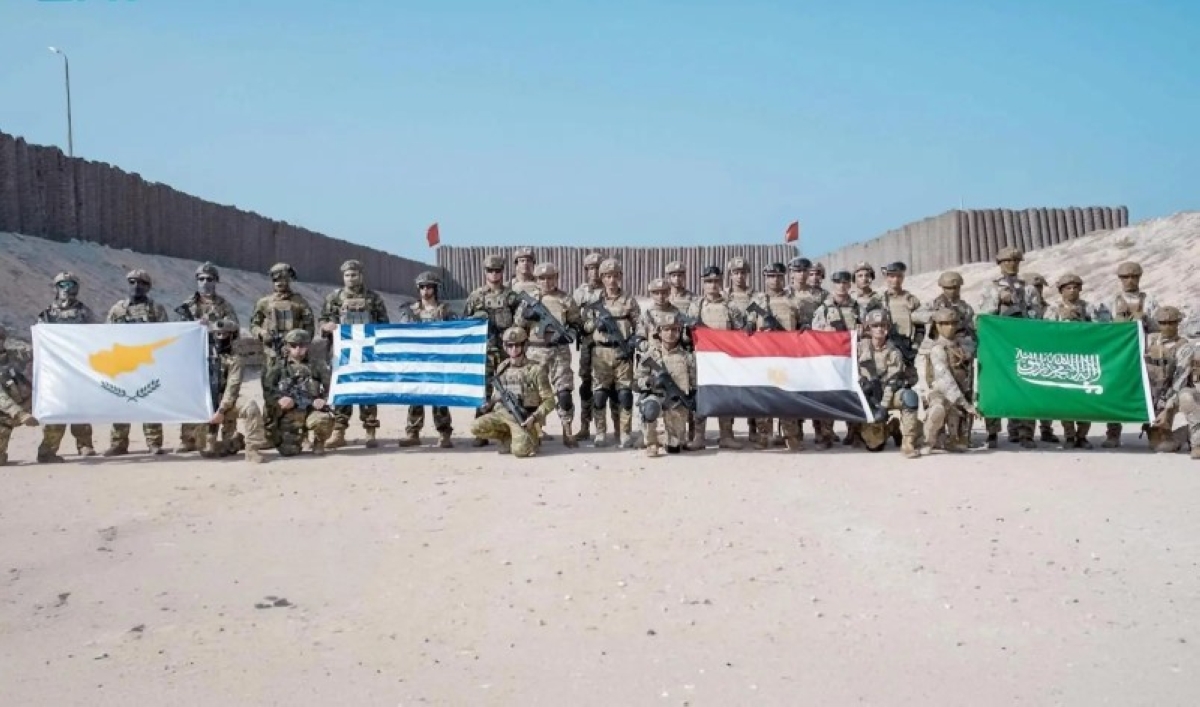

The recently concluded Medusa 14 naval exercise in Egypt saw participation from the Royal Saudi Naval Forces alongside counterparts from Egypt, France, Greece, and Cyprus. The drills, which focused on bolstering maritime security and interoperability, wrapped up after several days of complex training scenarios. This naval exercise demonstrated a commitment to regional stability and coordinated defense capabilities.
The final phase of Medusa 14, held in Egyptian waters, involved advanced operations like the protection of critical maritime infrastructure, anti-submarine warfare tactics, and responses to asymmetric threats. Forces also practiced fast-boat attack and defense, as well as amphibious and vertical-landing maneuvers. The exercise concluded with a closing ceremony attended by high-ranking military officials from all participating nations.
Strengthening Regional Maritime Security Through Joint Training
Medusa 14 is part of a series of recurring multinational naval exercises designed to enhance cooperation and readiness among the navies of Mediterranean and Red Sea nations. These exercises are particularly important given the increasing complexity of maritime challenges, including piracy, terrorism, and illegal trafficking. The goal is to create a unified approach to safeguarding vital sea lanes and protecting national interests.
Exercise Scenarios and Skill Development
Beyond the headline-grabbing operational scenarios, Medusa 14 incorporated a wide range of training activities. These included search and rescue operations, crucial for humanitarian assistance and disaster relief. Additionally, participants engaged in anti-air warfare drills, amphibious operations training, and electronic warfare simulations.
Combat diving and tactical shooting exercises were also conducted, focusing on specialized skills needed for maritime security. These diverse training elements aimed to improve the overall capabilities of each navy and foster a deeper understanding of combined operations. The focus on practical application allows for immediate improvements in real-world scenarios.
According to a statement released by exercise command, Brigadier General Saad Al-Ahmari, the participating forces demonstrated a high degree of professionalism and combat readiness throughout the drills. He further emphasized the successful integration of operational tactics and the valuable exchange of expertise between the nations involved.
Saudi Arabia’s Role and Regional Implications
The participation of the Royal Saudi Naval Forces in Medusa 14 highlights Saudi Arabia’s growing commitment to regional security initiatives. Saudi Arabia has been actively working to strengthen its defense capabilities and partnerships with key allies in recent years. This is driven by evolving geopolitical dynamics and the need to protect its extensive coastline and maritime trade routes.
The exercise also underscores the increasing cooperation between Saudi Arabia and Egypt, two influential powers in the Middle East. Both nations share concerns about regional stability and have been collaborating on various security matters. This collaboration is seen as a crucial element in countering potential threats and promoting a peaceful environment.
Meanwhile, the inclusion of European nations like France, Greece, and Cyprus adds another layer of complexity and importance to the exercise. These countries bring advanced naval technologies and expertise to the table, contributing to the overall effectiveness of the training. The participation of these nations also reflects a shared interest in maintaining freedom of navigation and protecting maritime commerce in the Mediterranean Sea.
Analysts suggest that exercises like Medusa 14 serve as a deterrent to potential adversaries and demonstrate a collective resolve to address maritime security challenges. The ability to operate seamlessly together is a key advantage in responding to crises and maintaining regional order. The exercise also provides a platform for diplomatic engagement and strengthens relationships between participating countries.
The Red Sea and the Gulf of Aden, vital waterways for global trade, have been hotspots for piracy and other maritime crimes. These maritime operations are crucial for ensuring the safe passage of vessels and protecting the flow of goods. The skills honed during Medusa 14 are directly applicable to addressing these ongoing threats.
In contrast to solely national defense strategies, these multinational exercises emphasize a collaborative approach to security. This approach acknowledges that many maritime challenges transcend national borders and require a coordinated response. The exchange of information and best practices during the exercise further enhances the collective ability to address these challenges effectively.
The exercise also provided opportunities to test and refine procedures for coordinating naval forces in complex scenarios. This included communication protocols, command and control structures, and logistical support arrangements. Improving these procedures is essential for ensuring a swift and effective response to any future maritime incidents.
Looking ahead, the participating nations are expected to analyze the lessons learned from Medusa 14 and incorporate them into their future training programs. The next iteration of the exercise, Medusa 15, is tentatively scheduled for late 2024, though the exact timing and location remain to be confirmed. Observers will be watching to see if the scope of the exercise expands to include new areas of focus, such as cybersecurity or unmanned systems. Further details regarding the specific objectives and participating units will likely be released in the coming months.