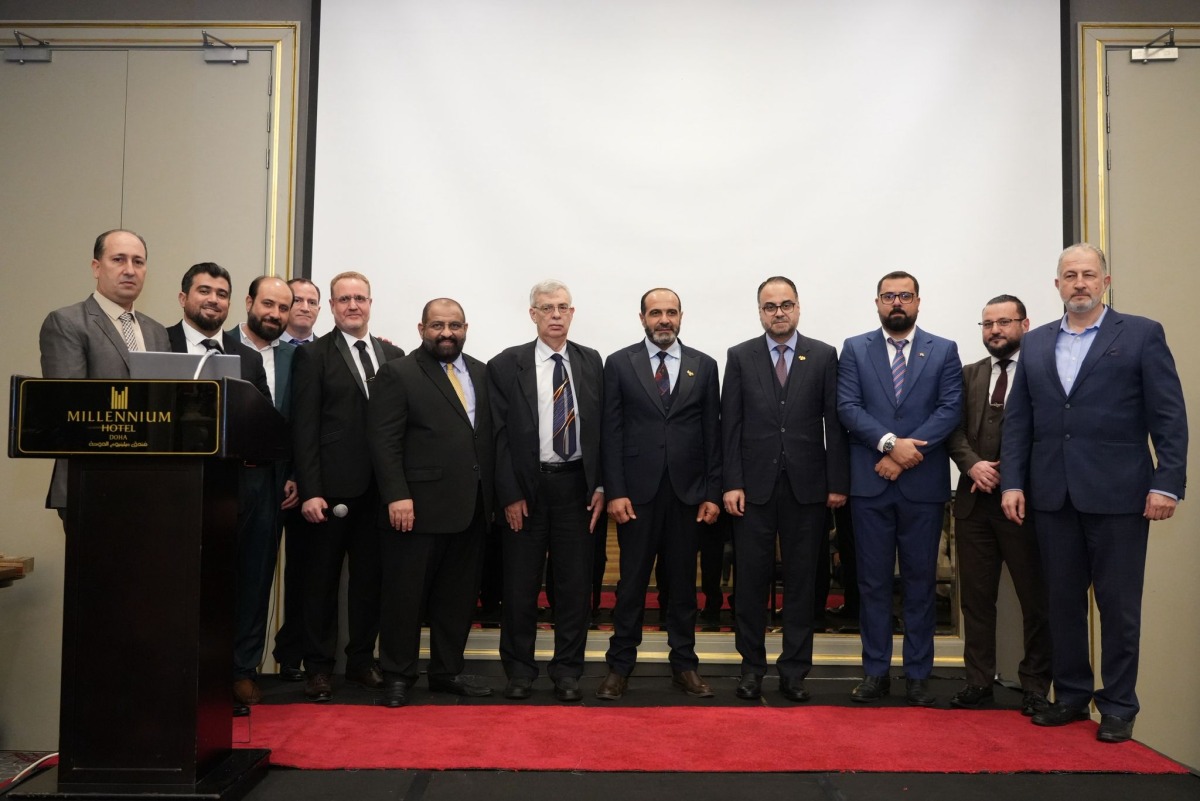

In a significant development for Syrian professionals working abroad, the Syrian Engineers Association in Qatar has received official accreditation from the Central Syndicate of Syrian Engineers in Damascus. The agreement, formalized during a ceremony in Doha on November 29, 2023, represents the first time a Syrian engineering organization in the diaspora has been granted such recognition. This move is expected to facilitate greater collaboration in Syria’s ongoing reconstruction efforts, and acknowledged the contributions of Syrian engineers in Qatar.
The accreditation ceremony brought together prominent figures including Dr. Bilal Turkieh, Chargé d’Affaires of the Syrian Embassy in Qatar, and Eng. Malek Haj Ali, President of the Syrian Engineers Syndicate. The event underscored the importance of diaspora communities in the post-conflict rebuilding of Syria and highlighted the role of skilled professionals in that process. Attendees also included members of the broader Syrian community residing in Qatar.
Significance of the Syrian Engineers Accreditation
The formal recognition of the Syrian Engineers Association in Qatar by its counterpart in Damascus signifies a turning point in how Syria views and engages with its expat workforce. For years, Syrian professionals abroad have faced challenges in having their qualifications and experience formally validated within their home country. This accreditation aims to remove some of those bureaucratic obstacles and provide a pathway for greater involvement in Syria’s future development. According to sources present at the ceremony, the timing is particularly symbolic.
Historical Context and Recent Developments
The accreditation coincides with national celebrations in Syria marking the anniversary of what state media has described as “Operation to Deter Aggression”. Dr. Turkieh emphasized that the association’s celebration aligns with a broader national movement focused on renewal. The Syrian civil war, which began in 2011, led to a significant outflow of skilled labor, including engineers, seeking opportunities and stability in neighboring countries and beyond.
Prior to the conflict, Syria boasted a relatively strong engineering sector, fueled by investments in infrastructure and industry. However, the years of fighting severely damaged the country’s infrastructure and economy. The current government is now prioritizing reconstruction, but faces a shortage of qualified personnel and limited financial resources. Relatedly, Syria reconstruction plans are complex and depend on international investment.
Association Leaders’ Perspectives
Yasser Al-Humaidi, President of the Syrian Engineers Association in Qatar, expressed gratitude for the dedication of past and present board members in achieving this milestone. He described the accreditation as “a historic first” and acknowledged the persistence required to navigate the process. Founding President Naji Al-Ali viewed the accreditation as a “badge of honor”, recognizing the association’s continued commitment to professional standards despite ongoing difficulties.
Eng. Malek Haj Ali, in his keynote address, specifically highlighted the accreditation’s role as “a solid gateway for the engineering support required in the reconstruction phase.” He commended the resilience of Syrian professionals who have maintained their skills and expertise while living abroad. He also signaled an intent to foster closer ties between the Central Syndicate and Syrian engineering communities throughout the diaspora, notably focusing on leveraging Qatar’s engineering expertise.
The recognition extends beyond symbolic value; it allows Syrian engineers in Qatar to more easily validate their credentials for projects undertaken in Syria. This simplification of the approval process is anticipated to streamline the flow of expertise and support for rebuilding efforts. Further, the agreement establishes a framework for potential joint ventures and training programs between the two bodies.
While the details of how this accreditation will be implemented in practice remain to be fully defined, it is anticipated that a streamlined process for credential verification will be established within the coming months. The success of this initiative will likely hinge on continued cooperation between Syrian authorities and engineering organizations in the diaspora, as well as a stable security and economic environment within Syria. Monitoring future announcements from both the Central Syndicate and the Syrian Engineers Association in Qatar will be crucial to understanding the long-term implications of this historic agreement, particularly regarding specific project collaborations and revised qualification standards for Syrian engineering professionals.