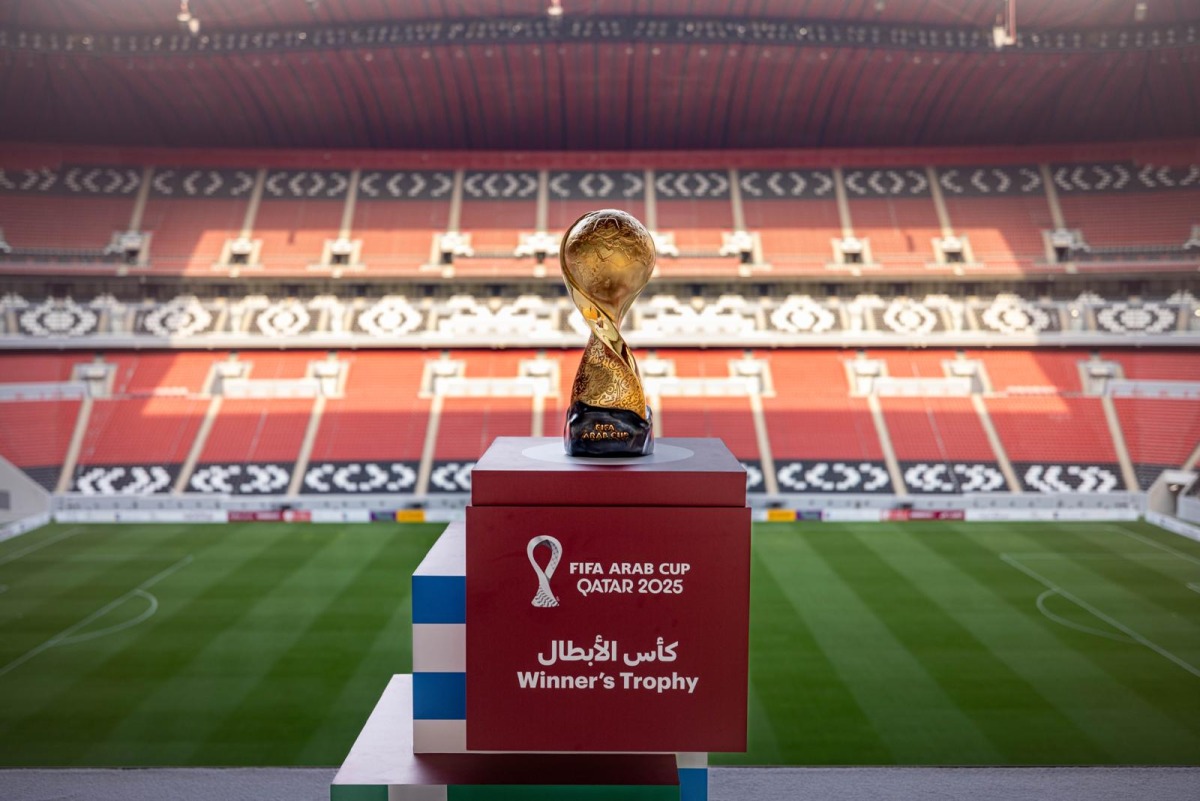

Doha, Qatar – The upcoming FIFA Arab Cup Qatar 2025, scheduled for December 1-18, is undergoing significant regulatory changes designed to elevate the tournament’s profile both regionally and internationally. These adjustments, announced by FIFA, build upon the success of the 2021 edition and solidify Qatar’s role as host for the next three iterations of the FIFA Arab Cup. The changes aim to increase the competitive value and global recognition of the tournament.
This marks the second consecutive edition of the Arab Cup held under FIFA’s auspices, a landmark shift following the organization’s first-ever recognition of the competition in 1963. FIFA’s continued support for the 2025, 2029, and 2033 editions, all to be hosted in Doha, underscores the success of the previous tournament and Qatar’s proven ability to host major sporting events.
Enhanced FIFA Arab Cup Status Through Official Recognition
A key development is FIFA’s decision to officially recognize all matches in the FIFA Arab Cup as international friendly matches, even those played outside of designated FIFA calendar windows. This means that points earned during the tournament will now contribute to national teams’ global rankings, a historic change that significantly boosts the competition’s importance. According to FIFA’s announcement in April 2024, this change aims to incentivize stronger participation and competition.
This ranking inclusion is expected to be particularly beneficial for teams striving to improve their positions in the FIFA world rankings. Previously, the Arab Cup did not factor into these rankings, limiting its strategic value for national teams. Additionally, the increased visibility associated with FIFA recognition is anticipated to attract greater media coverage and fan engagement.
Changes to Tie-Breaking Procedures
Beyond the ranking implications, FIFA has also revised the tie-breaking procedures for group stage qualification. In a departure from standard practice, the primary tie-breaker will now be the goal difference from direct encounters between the tied teams, rather than overall goal difference across all group matches. This change prioritizes head-to-head results, potentially leading to more dramatic and decisive final group stage matches.
Further adjustments include prioritizing total goals scored in direct encounters, then overall goal difference, then total goals scored in all group matches, before finally considering fair play metrics (yellow and red cards). Notably, the previous practice of a draw to resolve ties has been eliminated. Instead, the latest FIFA rankings will be used as the final determining factor, reinforcing the link between Arab Cup performance and global standing.
Financial Growth and Tournament Development
The 2025 edition of the FIFA Arab Cup is also expected to see an increase in financial rewards. While the 2021 tournament offered a prize pool of $25 million, projections indicate a rise to $36.5 million (approximately 132.9 million Qatari riyals). This increase reflects growing interest in the tournament and aims to further incentivize participation from top Arab national teams. The financial boost is intended to support team preparations and development programs.
These organizational and technical developments demonstrate a clear commitment to enhancing the competitive and technical quality of the Arab Cup. The tournament has undergone a significant transformation since FIFA’s recognition in 2021, and these changes are expected to further elevate its status within the international football landscape. Related developments include increased investment in stadium infrastructure and fan experience.
Looking ahead, organizers will focus on finalizing logistical arrangements and promoting the tournament to a wider international audience. The success of the 2025 edition will be crucial in securing continued FIFA support for the 2029 and 2033 tournaments. Potential challenges include managing the scheduling of matches during a busy international football calendar and ensuring a smooth and secure experience for players and fans.