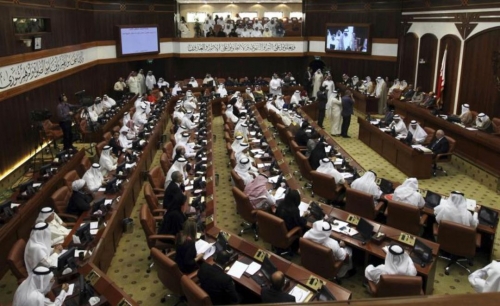

A significant shift in the voting structure of the Bahrain Chamber of Commerce and Industry (BCCI) is on the horizon as a draft law aiming to curtail the influence of large corporations advances towards Parliament. Currently, the 2020 election scale allows major companies to wield considerable power with up to 256 votes, a system lawmakers now believe disadvantages smaller and medium-sized enterprises (SMEs). This proposed change to BCCI voting rights seeks to level the playing field and ensure a more equitable representation for all businesses.
Proposed Changes to Bahrain Chamber of Commerce Voting System
The proposed legislation, scheduled for Parliamentary discussion on Tuesday, directly challenges the existing voting ladder implemented in 2020. That system ties voting power to a company’s declared capital, granting significantly higher vote counts to larger organizations. MPs championing the change argue this creates an imbalance, effectively silencing the voices of the numerous SMEs that form the backbone of Bahrain’s economy.
From Capital-Heavy to More Equitable Distribution
Under the current law, companies with undeclared capital have just 2 votes. This number quickly escalates based on capital declaration:
- BD1–19,999: 4 votes
- BD20,000–49,999: 8 votes
- BD50,000–99,999: 16 votes
- BD100,000–499,999: 32 votes
- BD500,000–999,999: 64 votes
- BD1 million–4.999 million: 128 votes
- BD5 million or more: 256 votes
The drafted schedule, however, proposes a much more incremental increase. Firms with undeclared capital or up to BD 19,999 would retain their 2 votes. Subsequent increases would be capped at a maximum of 10 votes, regardless of capital size. Here’s a breakdown of the proposed scale:
- BD20,000–100,000: 3 votes
- BD100,001–500,000: 4 votes
- BD500,001–1 million: 5 votes
- BD1,000,001–5 million: 6 votes
- BD5,000,001–100 million: 7 votes
- BD100,000,001–500 million: 8 votes
- BD500,000,001–1 billion: 9 votes
- Above BD1 billion: 10 votes
This revised structure aims to distribute chamber of commerce representation more evenly, allowing a wider range of businesses to meaningfully participate in decision-making processes.
Historical Context and Justification for the Change
The argument for reverting to a lower-vote system isn’t new. MPs claim the BCCI historically employed a low-vote approach – dating back to its establishment in 1939 – and that the 2020 changes deviated from established principles. They believe a return to this model promotes equality, transparency, and avoids discrimination against smaller businesses.
Furthermore, the explanatory note accompanying the draft law references Article 18 of the Bahrain Constitution. It suggests that a consistent voting system tied to membership status, rather than fluctuating capital levels, is more aligned with the constitutional spirit. The core idea is that a company’s fundamental position within the chamber shouldn’t be radically altered by temporary financial performance. This focus on consistent representation for businesses is a key component of the proposed changes to Bahrain business voting.
Impact on the Business Community
The current system undeniably gives larger companies a significant advantage in shaping the BCCI’s agenda. Critics argue this can lead to policies that favor established corporations to the detriment of emerging and smaller enterprises. The proposed changes aim to address this imbalance and foster a more inclusive environment within the chamber.
However, some large businesses may view the new regulations as a restriction on their ability to influence vital economic discussions. They might contend that their substantial investments and contributions to the economy warrant a corresponding level of influence.
Additionally, the changes could potentially necessitate a reevaluation of the BCCI’s internal processes and strategies. With a more diverse voting base, the chamber may need to adapt its approach to ensure that all member voices are heard and adequately represented. A successful implementation will depend on fostering collaboration and communication between businesses of all sizes. This restructuring of BCCI membership voting could have far reaching consequences.
The Path Forward & Potential Outcomes
With the draft law set for parliamentary review this Tuesday, the next steps involve debate, potential amendments, and ultimately, a vote. If passed, the law will require implementation guidelines and a transition period. It is likely to spark conversations and potentially require adjustments based on feedback from the business community.
The future of BCCI voting rights remains uncertain, but the proposal highlights a growing awareness of the need for fairer representation and a more inclusive approach to economic policymaking in Bahrain. The outcome will undoubtedly have a significant impact on the dynamics within the chamber and the broader business landscape. It’s crucial for businesses across Bahrain, regardless of size, to stay informed about this developing situation and engage in constructive dialogue to shape a future that benefits all stakeholders.