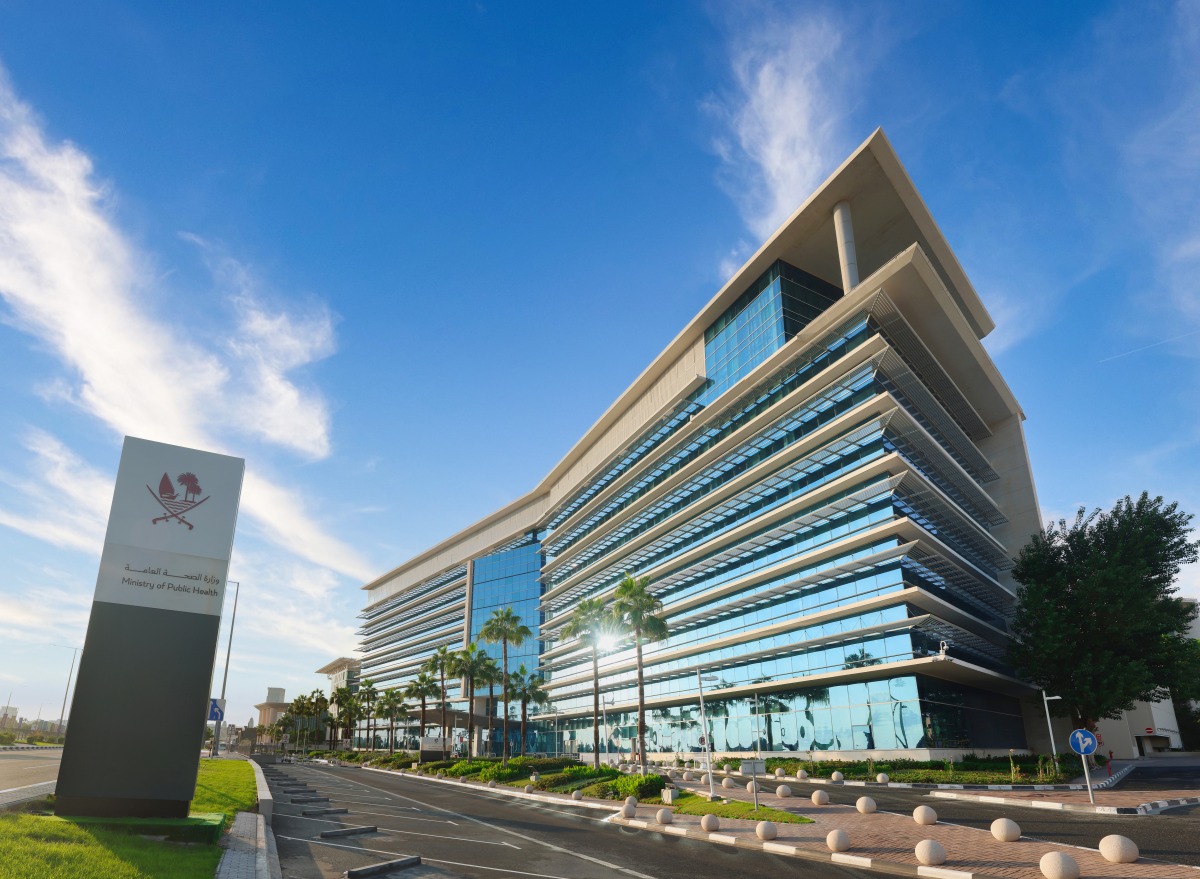

The Ministry of Public Health (MoPH) in Qatar recently concluded a comprehensive inspection campaign focused on food safety across the industrial area. Spanning June to October 2025, the initiative targeted restaurants, cafes, and food preparation sites within worker accommodations, aiming to safeguard public health and ensure adherence to stringent hygiene standards. The campaign involved extensive sampling and multiple inspection visits to over 670 establishments.
Qatar Enhances Food Safety with Industrial Area Inspections
The MoPH’s campaign, conducted in Doha, Qatar, represents a proactive step towards maintaining high food safety levels, particularly for the large workforce residing in the industrial area. According to the ministry, the inspections were designed to identify areas needing improvement and to promote a culture of compliance among food handlers. This effort is part of Qatar’s broader strategy to protect consumer health and build a sustainable food system.
Scope of the Inspection Campaign
Inspectors from the Food Safety Department visited 479 restaurants and cafeterias, as well as 191 designated food preparation and service locations within worker residential areas. These sites collectively serve approximately 95,000 workers. Each establishment received at least three inspection visits to assess initial conditions and monitor progress on required corrective actions.
Positive Results and Compliance Rates
The ministry reported encouraging results from the extensive testing. A total of 1813 food samples were collected and analyzed in MoPH laboratories, with all samples meeting established health requirements. The electronic food safety system, “WATHEQ,” revealed that 44% of the company-allocated sites achieved an “excellent” rating.
Furthermore, 85% of these worker accommodation food sites received a rating of “medium” or higher, demonstrating a significant improvement from their initial inspection results. Over 82% of restaurants and cafeterias also showed performance gains, moving up at least one level in the MoPH’s classification system after the initial assessment. This indicates the effectiveness of the inspection process and the willingness of establishments to address identified deficiencies.
Focus on Worker Accommodation Food Services
The campaign placed particular emphasis on food services provided to workers in their accommodations, recognizing the vulnerability of this population and the potential for widespread health impacts. Ensuring food hygiene in these settings is crucial for preventing foodborne illnesses and maintaining a healthy workforce. The ministry’s proactive approach reflects a commitment to the well-being of all residents in Qatar.
The MoPH is continuing to expand its efforts, with plans to complete inspections of all remaining workers’ housing, restaurants, and cafeterias. Additionally, the ministry intends to increase the frequency of inspection visits and conduct training workshops for food handlers. These workshops will focus on raising awareness of essential health and safety regulations and best practices.
The Food Safety Department will continue implementing the Food Safety Rating Programme, a key component of Qatar’s public health strategy. This program relies on ongoing collaboration between regulatory bodies and food establishment owners to achieve and maintain high standards. The ministry emphasizes that this collaborative approach is vital for creating a robust and sustainable food safety system.
Looking ahead, the MoPH has not specified a firm deadline for completing the remaining inspections and training initiatives. However, continued monitoring of the “WATHEQ” system and further analysis of inspection data will likely inform future strategies. Stakeholders should anticipate ongoing enforcement of food safety regulations and a sustained focus on improving hygiene standards across all food-related businesses in Qatar.
Learn more about the Ministry of Public Health.
Read more about Qatar news.
Explore World Health Organization food safety guidelines.