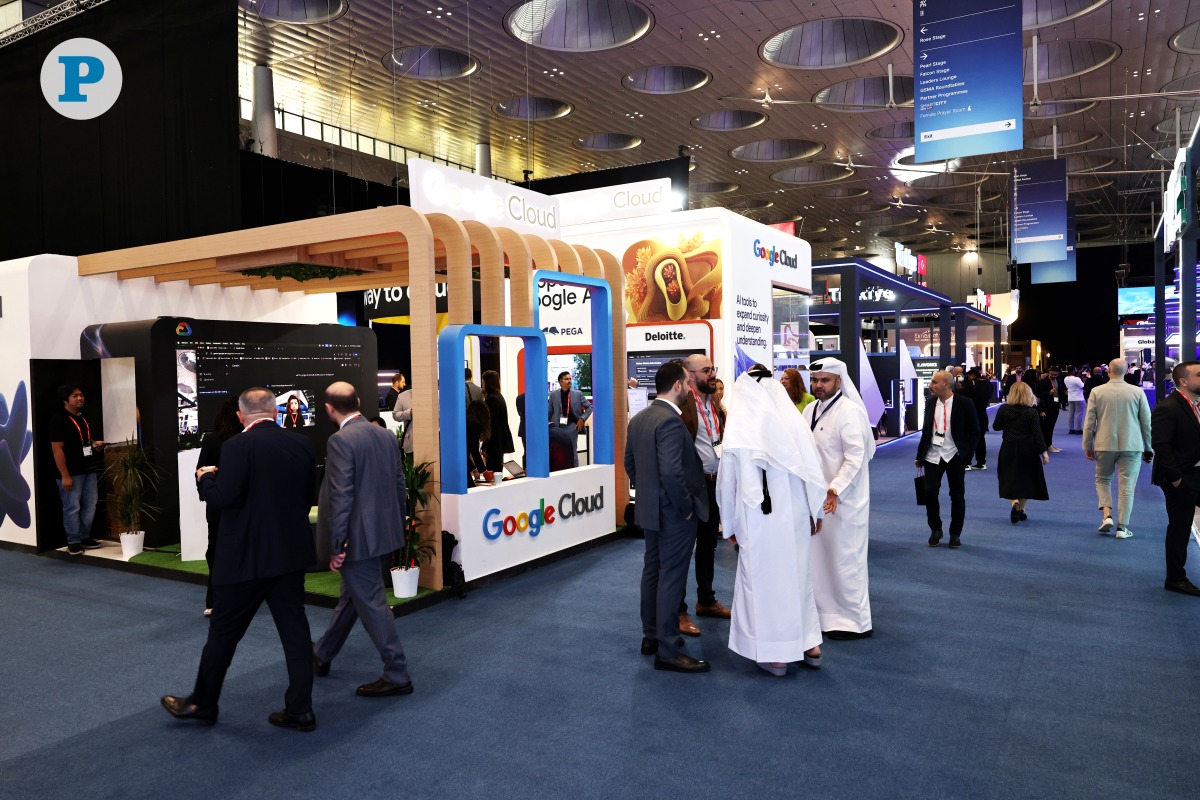

The inaugural Mobile World Congress (MWC) Doha 2025 concluded this week, attracting approximately 9,500 attendees from over 110 countries. The event showcased Qatar’s growing role in the global technology landscape and highlighted the region’s increasing focus on digital transformation. Organized by the GSMA, the conference centered around key areas like 5G, artificial intelligence, and intelligent networks, supporting innovation and sustainable growth within the Middle East and North Africa (MENA) region.
Held in Doha, Qatar, MWC Doha 2025 ran from February 26-29, 2024, bringing together industry leaders, government officials, and technology experts. The conference aimed to accelerate the development and adoption of next-generation technologies across the MENA region, fostering collaboration and investment in the digital economy.
Expanding Digital Horizons: Key Takeaways from MWC Doha 2025
The event underscored the ambition of the region to become a central hub for technological advancement. The Minister of Communications and Information Technology, H E Mohammed bin Ali Al-Mannai, emphasized the importance of the region’s role in shaping the future of telecommunications and IT, according to a statement released by the ministry. He noted that hosting MWC Doha demonstrates the capability of regional economies to leverage emerging technologies like 5G and AI.
Qatar’s own digital initiatives took center stage with the Qatar Pavilion. Featuring contributions from 17 government entities, the pavilion presented over 30 national projects focused on smart city solutions, digital governance, secure digital identity systems, and sophisticated AI applications. This showcase highlighted Qatar’s commitment to becoming a knowledge-based economy.
Focus on Collaboration and Agreements
A significant outcome of MWC Doha 2025 was the forging of new partnerships. More than 30 collaborations, cooperation agreements, and memorandums of understanding were signed during the conference, solidifying the event’s impact on bolstering regional innovation. These agreements span a variety of areas, from technology development to market expansion.
These collaborations aren’t limited to government-to-government partnerships. Private sector engagement was also prominent, as demonstrated by TOD, a digital sports and entertainment platform. Managing Director Peter Mrkic stated the company is focused on expanding its reach across new markets and strengthening its partnerships, ultimately delivering a richer digital experience to audiences in the region.
The Role of 5G and AI in Regional Growth
Much of the discussion at MWC Doha 2025 revolved around the implementation and future potential of 5G networks. Industry experts explored how 5G can enable new applications in areas like industrial automation, connected vehicles, and remote healthcare. Additionally, Artificial Intelligence (AI) was presented as a key enabler for these 5G applications, offering opportunities to optimize network performance and enhance user experiences.
However, challenges related to infrastructure development and digital skill gaps were also acknowledged. Extending digital progress to all communities within the MENA region requires sustained collaboration and investment, according to GSMA Director General Vivek Badrinath. He highlighted the importance of this inaugural event in starting that crucial process.
The conference also addressed the increasing importance of cybersecurity in a connected world. With the expansion of digital services, protecting critical infrastructure and sensitive data became a central theme, with several sessions dedicated to exploring innovative security solutions and best practices.
Looking ahead, the GSMA plans to assess the outcomes of MWC Doha 2025 to identify areas for improvement and refine the event’s focus for future editions. The success of this first iteration suggests Doha could become a regular fixture on the global MWC circuit. Further details on the timing and agenda of future events are expected in the coming months, with a particular emphasis on addressing the challenges to widespread digital adoption in the region remaining a key focus, and partnerships being essential to progress.