

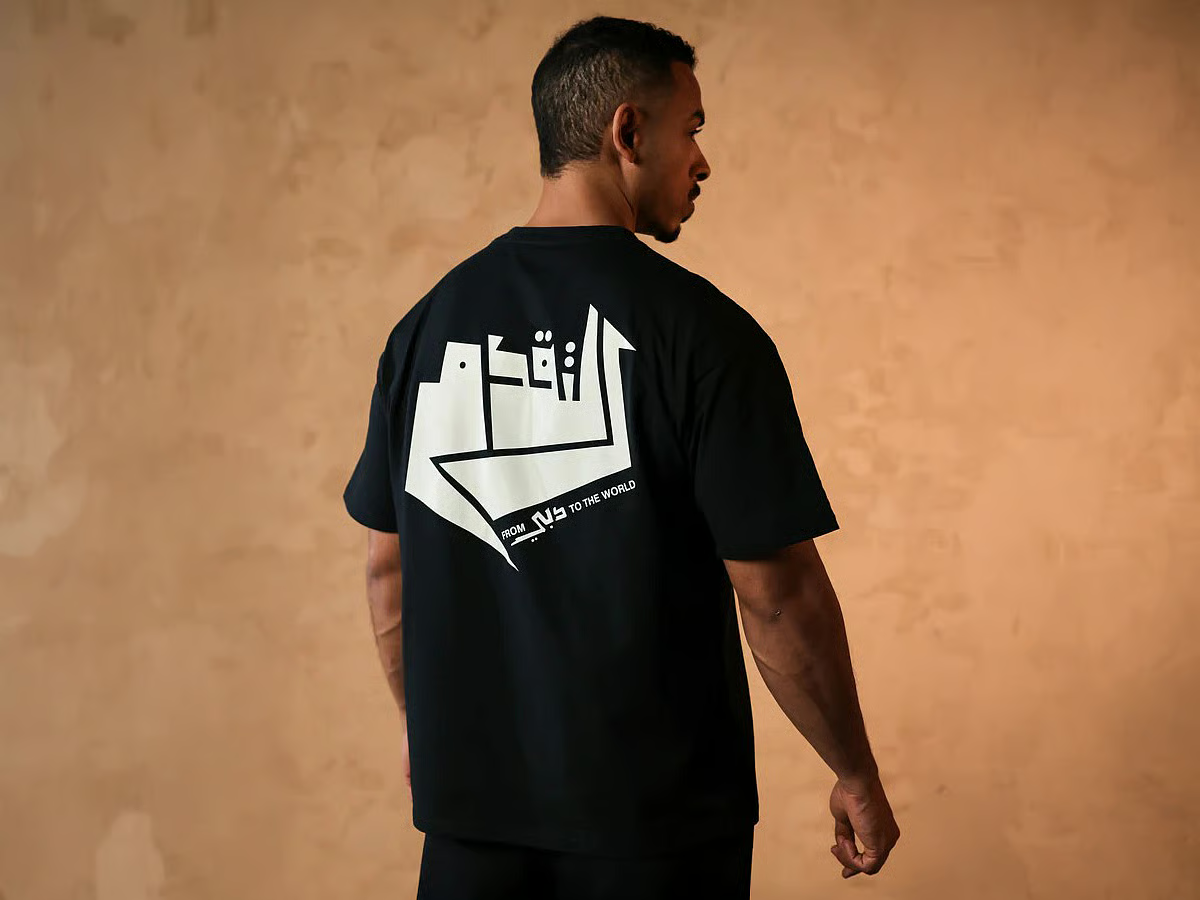

United Arab Emirates-based artist Ibrahim Zaki is embarking on a new project aimed at blending traditional Arabic calligraphy with contemporary art forms. This initiative, announced recently, seeks to showcase the UAE’s commitment to preserving its cultural heritage while fostering innovation in the arts sector. Zaki’s work explores the intersection of history and modernity, utilizing his unique perspective as an artist deeply rooted in Emirati culture.
The collaboration highlights Zaki’s artistic journey and his inspiration drawn from the UAE’s environment. Details of the specific project and its public unveiling are forthcoming, though it aims to contribute to the nation’s growing artistic landscape. The project is anticipated to resonate with both local communities and international audiences interested in Middle Eastern art and design.
The Significance of Arabic Calligraphy in Modern Art
Arabic calligraphy holds a prominent position in Islamic art, historically adorning mosques, manuscripts, and everyday objects. Beyond its religious context, it is widely recognized as a sophisticated art form, valued for its aesthetic qualities and deep cultural meaning. Contemporary artists, like Zaki, are increasingly leveraging this tradition to create new and evocative works, bridging the gap between the past and present.
Zaki’s statements emphasize the pivotal role the UAE plays in his creative process. The country’s unique blend of tradition and progress provides a fertile ground for artistic exploration, inspiring him to push creative limits. He sees his work as both a personal expression and a means of connecting people with their cultural roots.
UAE’s Support for Cultural Initiatives
The UAE government has demonstrated a consistent commitment to arts and culture through various funding programs and initiatives. According to the Ministry of Culture and Youth, these investments are intended to diversify the economy and promote cultural tourism. This support extends to both established artists and emerging talents, creating an ecosystem for creative growth.
Furthermore, the nation has become a hub for international art exhibitions and events, like Art Dubai and the Louvre Abu Dhabi. These platforms showcase a diverse range of artistic expressions, contributing to the UAE’s growing reputation as a global cultural destination. The focus on hosting such events demonstrates a desire to not only promote local artistic talent but to engage in a broader international dialogue about art and aesthetics.
Zaki’s Artistic Background and Approach
Ibrahim Zaki’s artistic journey began with early exposure to painting and stencil work. This formative experience evolved into a fascination with the complexities and beauty of Arabic calligraphy. He now integrates elements of both into his pieces, creating a distinctive style that distinguishes his work within the contemporary art scene.
He is known for experimenting with different materials and techniques, often incorporating abstract elements alongside meticulously rendered calligraphic forms. This fusion allows for a layered interpretation, inviting viewers to contemplate the historical and contemporary nuances of his art.
Zaki’s approach isn’t merely about replicating traditional styles; it’s about reimagining them. He aims to deconstruct and reconstruct the forms of calligraphy, infusing them with a modern sensibility and personal narrative. This process often involves a deliberate exploration of space, texture, and color.
The emphasis on innovation aligns with broader trends in regional art. There’s a growing movement among Middle Eastern artists to move beyond solely representing traditional themes and explore more contemporary issues and aesthetics. This evolution is attracting increased international attention.
His connection to the wider art world is apparent as he utilizes modern design principles alongside the classic elements of Islamic art. He has participated in numerous exhibitions, both within the UAE and internationally, gaining recognition for his unique vision. This exposure helps to broaden the audience for his work and promote a deeper understanding of Emirati artistic expressions.
Interestingly, Zaki does not focus solely on visual art. He has also explored digital art forms and installations, further demonstrating his adaptability and willingness to embrace technological advancements in his art. This multi-faceted approach allows for a wider range of creative possibilities and offers different ways to engage with his work.
Implications for the Arts Landscape in the UAE
The collaboration with Ibrahim Zaki has the potential to inspire other artists in the UAE to explore their cultural heritage in innovative ways. It validates the importance of preserving traditional art forms while simultaneously encouraging experimentation and contemporary interpretation. This balanced approach is crucial for the continued growth and diversification of the arts sector.
Additionally, the project is likely to enhance the UAE’s image as a center for cultural innovation. By supporting artists who are actively bridging the gap between tradition and modernity, the country can attract further investment and talent. The resulting increase in visibility will also help to promote Emirati art to a global audience.
The interest in calligraphy, though longstanding, appears to be experiencing a resurgence. A recent report from a cultural studies group indicates growing demand for calligraphy-based artwork and design. This trend aligns with a broader global movement towards handmade and artisanal products, reflecting a desire for authenticity and connection to tradition.
However, challenges remain in ensuring equitable access to resources and opportunities for all artists in the UAE. Continued investment in arts education and infrastructure is essential for fostering a sustainable and inclusive creative ecosystem.
Looking ahead, the unveiling of Zaki’s project is expected within the next quarter. Further details regarding the specific location and duration of the exhibition are still being finalized. Observers will be watching to see how the project is received by both the local community and the international art world, and what impact it has on the broader artistic landscape of the UAE.