



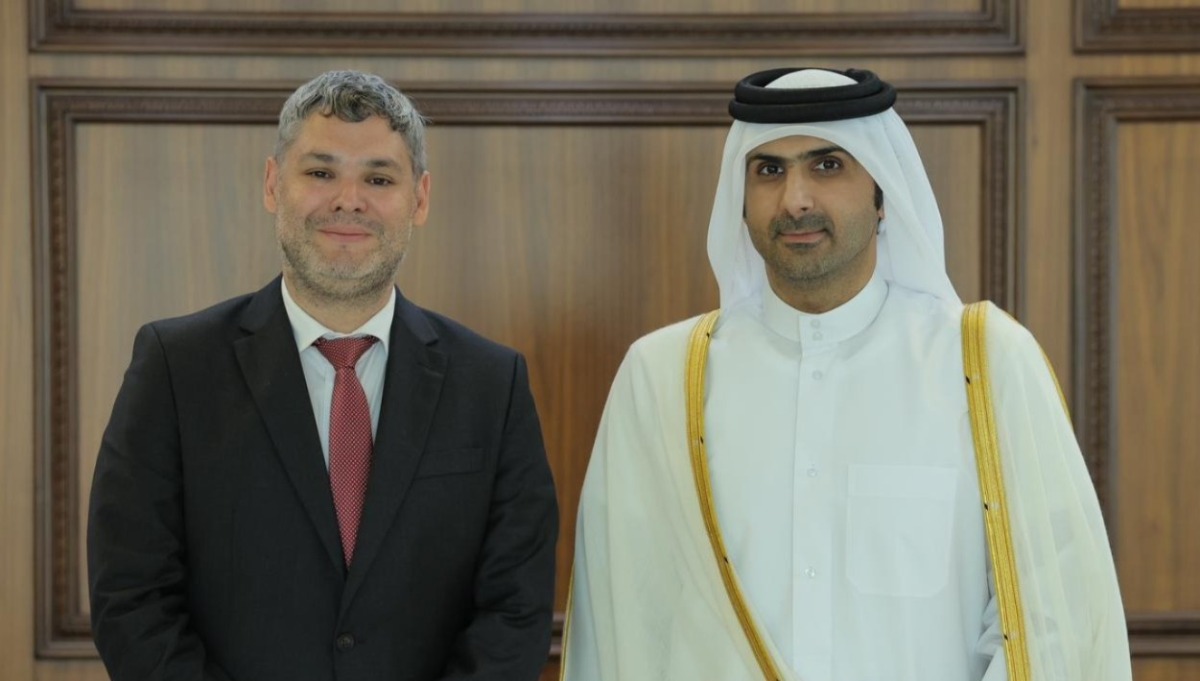

Qatar and Costa Rica are exploring increased cultural cooperation following a meeting between Qatar’s Minister of Culture, Sheikh Abdulrahman bin Hamad Al-Thani, and Costa Rica’s Minister of Culture and Youth, Jorge Rodriguez Vives, held in Doha on November 27, 2023. The discussions centered on potential collaboration in various cultural fields, signifying a growing interest in strengthening ties between the two nations. The meeting underscores Qatar’s commitment to international cultural exchange and Costa Rica’s expanding role in regional arts and heritage initiatives.
The meeting took place in Doha, Qatar, with both ministers expressing a desire to build upon existing relationships. While specific details of the collaborative projects weren’t immediately released, the general focus was on mutual benefit and enriching the cultural landscapes of both countries. This recent engagement follows a period of increased diplomatic activity between Qatar and Latin American nations.
Expanding Qatar’s Cultural Footprint through International Cooperation
Qatar has consistently prioritized cultural diplomacy as a key component of its foreign policy, investing heavily in preserving its own heritage while simultaneously fostering appreciation of arts and cultures globally. This meeting with Costa Rica represents a continuation of these efforts, seeking to establish new avenues for cultural cooperation. This emphasis has included significant investment in museums and cultural institutions, such as the Museum of Islamic Art and the National Museum of Qatar.
Costa Rica, known for its rich biodiversity and commitment to environmental sustainability, also boasts a vibrant and developing cultural sector. Focusing on areas like performing arts and visual arts, the nation is gaining recognition for its unique creative expression. According to the Costa Rican Ministry of Culture and Youth, initiatives are underway to promote cultural tourism and support local artists.
Potential Areas of Collaboration
Although the exact terms of collaboration remain undefined, several areas are likely to be explored further. These could include:
Museum exchanges and exhibitions. Sharing expertise in cultural preservation and restoration is another potential focus. Joint cultural festivals and performances designed to showcase talent from both nations are also a possibility.
The Ministries may also look at artist residency programs to facilitate cross-cultural learning and creative production. Such programs would allow Qatari and Costa Rican artists opportunities to work and exhibit in each other’s countries. Qatar actively promotes itself as a hub for creative industries.
However, the success of these initiatives will depend on establishing clear frameworks for logistical support, funding, and intellectual property rights. Ensuring equitable partnership and long-term sustainability will be critical, according to analysts following Qatar’s international relations.
Meanwhile, broader diplomatic relations between Qatar and Costa Rica are also developing. While trade remains modest, both countries recognize the potential for increased economic engagement alongside cultural ties. Investment in bilateral relations aims to create a more diversified partnership.
In contrast to some other regions, Qatar’s engagement with Latin America has been steadily increasing in recent years, although it still lags behind its ties with North America and Europe. Focusing on cultural exchange is seen as a way to build goodwill and create a foundation for deeper collaboration in other sectors.
The initial discussions are expected to be followed by more detailed negotiations between technical teams from both ministries, potentially leading to the signing of a memorandum of understanding. A timeline for these developments has not been announced, and the scope of the agreement remains subject to change. Further announcements regarding specific projects and funding allocations are anticipated in the coming months, and the development of these international partnerships warrants continued observation.
What to watch: The timeline for follow-up negotiations and whether a formal agreement is reached within the next six to twelve months. The specific projects and initiatives that emerge from this dialogue will also be key indicators of the strength and direction of Qatar-Costa Rica cultural ties.