


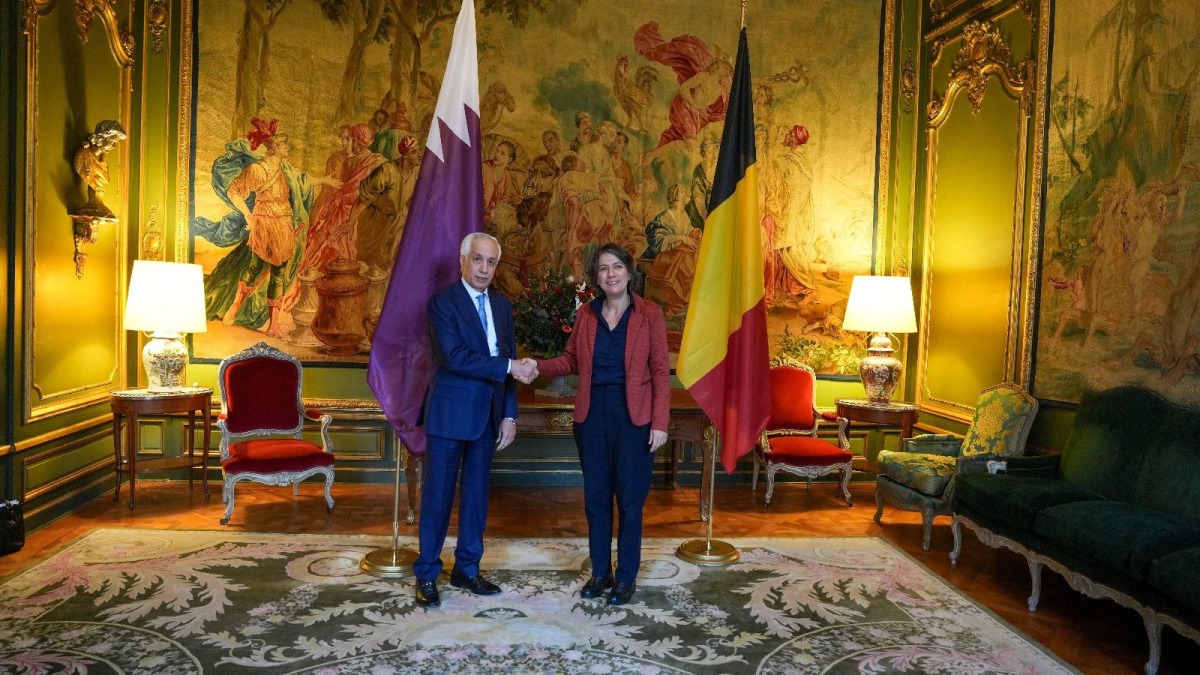

Qatar and Belgium convened the fourth round of political consultations in Brussels yesterday, focusing on bolstering bilateral relations and addressing a range of pressing global issues. The talks, held between the Ministries of Foreign Affairs of both nations, signify a continued commitment to diplomatic engagement and collaborative problem-solving. Discussions encompassed economic partnerships, security cooperation, and perspectives on current regional and international challenges.
The Qatari delegation was led by Minister of State for Foreign Affairs, Sultan bin Saad Al Muraikhi, while Belgium was represented by Secretary General and President of the board of directors of the Belgian Ministry of Foreign Affairs, Foreign Trade and Development Cooperation, Theodora Gentzes. This round of consultations builds upon previous meetings aimed at deepening ties between Doha and Brussels, reflecting a mutual desire for strengthened ties within the international community.
Strengthening Qatar-Belgium Bilateral Relations
The primary objective of these recurring political consultations is to enhance bilateral relations across multiple sectors. According to a statement released following the meeting, both sides expressed satisfaction with the existing level of cooperation and identified new areas for potential partnerships. These include opportunities in energy, logistics, and technology, fields where Qatar has been actively diversifying its economy and Belgium possesses significant expertise.
Additionally, the discussions acknowledged the importance of parliamentary cooperation and cultural exchange in fostering greater understanding between the two countries. The two governments have previously signed agreements intended to encourage greater foreign investment, which these talks are meant to facilitate further.
Key Areas of Discussion
The agenda extended beyond purely bilateral concerns to encompass several critical regional and international issues. Both parties exchanged views on the ongoing conflict in Ukraine, and the precarious humanitarian situation in Gaza, expressing the need for de-escalation and diplomatic solutions.
The situation in the Middle East, particularly efforts to achieve a comprehensive and just peace, was also a significant focus. Both nations have historically played a role in mediation efforts within the region, and discussions likely revolved around potential collaborative initiatives. The meeting also touched upon counter-terrorism efforts, international security, and climate change – shared concerns that necessitate coordinated global responses.
Qatar’s growing role as a mediator in regional disputes has often aligned with Belgium’s commitment to multilateral diplomacy. While specifics of the discussions remain confidential, observers note that Qatar’s recent efforts in facilitating hostage releases and ceasefire negotiations were likely topics of conversation. Belgium, as a member of the European Union, brings a European perspective to these conversations, influencing the direction of EU policy towards the Middle East and foreign policy.
Previously, Qatar and Belgium have coordinated on issues relating to human rights and the rule of law, reflecting a commitment to shared values. The ministry indicated this continued focus during the recent talks. It suggests a strong foundation for future collaboration on issues of governance and global ethics.
The timing of these consultations is noteworthy, occurring amidst heightened geopolitical tensions globally. Considering the ongoing instability in several regions, regular dialogue between nations with shared interests is widely considered crucial for maintaining regional and international stability. These discussions offer a crucial channel for exchanging information and coordinating responses to emerging crises.
Looking ahead, both countries have confirmed their commitment to maintaining this regular consultation process. A fifth round of talks is anticipated to be held in Doha within the next year, though a specific date remains to be determined. The effectiveness of these dialogues will depend on translating the agreed-upon principles into tangible actions and continued cooperation on issues of mutual concern within the broader framework of diplomatic ties.
The sustained engagement between Qatar and Belgium highlights a strategic partnership that could yield further benefits in navigating an increasingly complex international landscape. Monitoring future collaborations and any concrete outcomes from these discussions will be essential to assess the depth and durability of this relationship.
Watch for further announcements regarding specific agreements or initiatives stemming from this meeting in the coming months.