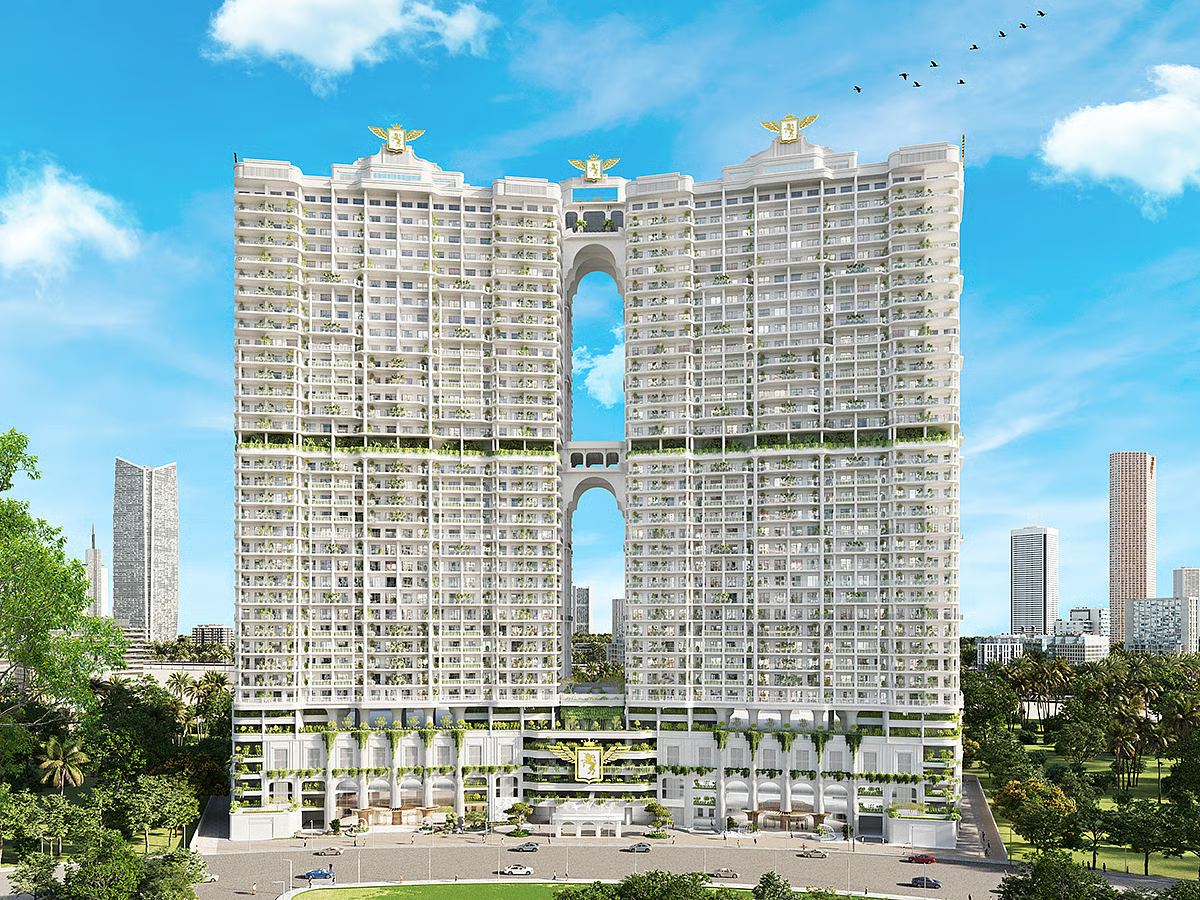

A growing trend in residential development focuses on integrating comprehensive health and wellness features into living spaces. Developers are increasingly recognizing the importance of indoor environments on overall well-being, leading to a surge in amenities designed to promote physical and mental health. A recent project exemplifies this shift, incorporating over 65 designer features aimed at resident wellness.
The new development, currently underway in an undisclosed location, will feature amenities such as natural bamboo forests, kayaking lagoons, Himalayan salt therapy caves, and infrared saunas. The project aims to address the significant amount of time people spend indoors – nearly 90% according to some studies – and create spaces that actively support a healthy lifestyle. The developers anticipate completion within the next two years.
The Rise of Wellness-Focused Real Estate
The emphasis on wellness in real estate isn’t entirely new, but its scope and sophistication are expanding rapidly. Historically, “wellness” features might have included a gym or a yoga studio. However, modern developments are taking a more holistic approach, incorporating biophilic design principles and a wider range of therapeutic and restorative spaces.
Factors Driving the Trend
Several factors are contributing to this evolution. Increased awareness of the link between environment and health is a primary driver. Additionally, demographic shifts, particularly the growing number of health-conscious millennials and baby boomers, are fueling demand for these types of properties. The COVID-19 pandemic also accelerated the trend, as people spent more time at home and prioritized their living spaces.
The concept of “healing architecture” is gaining traction, with designers and developers looking to create environments that reduce stress and promote recovery. This includes incorporating natural light, ventilation, and materials, as well as spaces for meditation and mindfulness. The focus extends beyond physical health to encompass mental and emotional well-being.
Economic considerations also play a role. Properties with robust wellness amenities can often command higher prices and attract a more desirable tenant base. This makes investing in these features a potentially sound financial decision for developers.
Beyond the Gym: A New Standard for Amenities
The project’s extensive amenity list highlights a departure from traditional offerings. Features like Himalayan salt therapy caves, which are believed to offer respiratory benefits, and infrared saunas, known for detoxification and muscle recovery, represent a move towards more specialized and therapeutic options.
The inclusion of natural elements, such as bamboo forests and kayaking lagoons, reflects the growing understanding of biophilic design. This approach emphasizes the human connection to nature, and research suggests it can have a positive impact on stress levels, cognitive function, and overall health. Access to green spaces and water features is becoming increasingly valued by residents.
Impact on Property Value and Resident Satisfaction
While quantifying the exact impact of wellness amenities on property value is complex, industry experts suggest a significant premium can be achieved. A report by the Global Wellness Institute estimated the global wellness economy at over $7 trillion, indicating a substantial market for products and services related to health and well-being. This translates to increased demand for residences that cater to these needs.
Furthermore, these amenities are expected to contribute to higher resident satisfaction and retention rates. A sense of community and access to resources that support a healthy lifestyle can foster a more positive living experience. This is particularly important in competitive rental markets.
Challenges and Considerations in Wellness Development
Implementing comprehensive wellness programs in residential developments isn’t without its challenges. Cost is a significant factor, as specialized amenities can be expensive to build and maintain. Developers need to carefully consider the return on investment and target the appropriate demographic.
Authenticity is also crucial. Residents are likely to be skeptical of amenities that feel superficial or poorly executed. Developers should prioritize quality and ensure that the features are genuinely beneficial. Expert consultation with health and wellness professionals is often recommended.
Sustainability is another important consideration. Many wellness practices are closely aligned with environmental responsibility. Developers should strive to incorporate sustainable materials and energy-efficient designs into their projects. This can enhance the overall appeal of the development and attract environmentally conscious residents. Relatedly, the concept of healthy homes, focusing on indoor air quality and minimizing toxins, is gaining prominence.
Accessibility and inclusivity are also key. Amenities should be designed to accommodate residents of all ages and abilities. Offering a variety of programs and services can ensure that everyone has the opportunity to benefit from the wellness features.
Looking ahead, the developers of this new project plan to offer curated wellness programming, including fitness classes, meditation workshops, and nutritional counseling. The precise details of these programs are still being finalized, and will likely be influenced by resident feedback once the development is occupied. The success of this project, and others like it, will depend on a continued commitment to innovation and a deep understanding of the evolving needs of residents. Monitoring resident engagement with the amenities and tracking health outcomes will be crucial for assessing the long-term impact of this approach to residential design.