


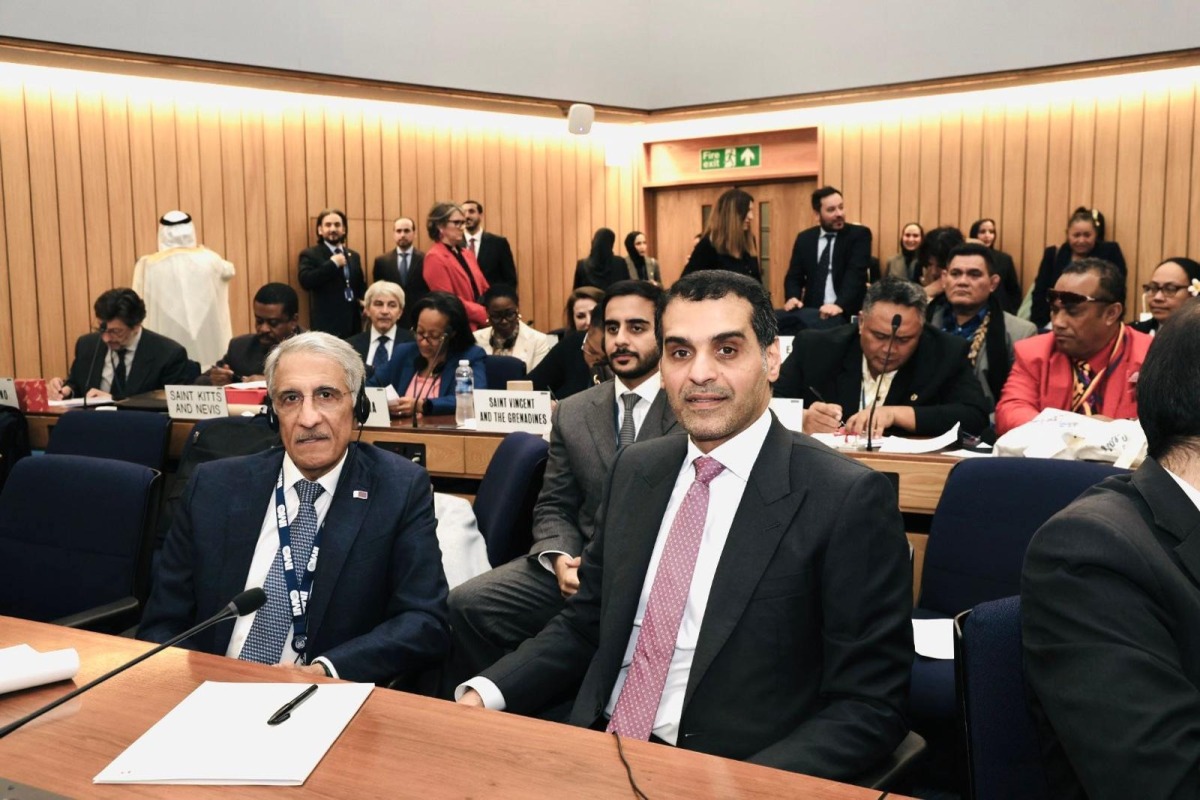

London – The State of Qatar has secured a seat on the Executive Council of the International Maritime Organization (IMO) in Category C for the third consecutive term, solidifying its position as a key player in the global maritime transport sector. The election took place during the 34th session of the IMO Assembly in London, highlighting international confidence in Qatar’s commitment to maritime safety and sustainability. This win underscores Qatar’s growing influence in international shipping and logistics.
The IMO Executive Council is the organization’s governing body, responsible for implementing the Assembly’s decisions and overseeing the IMO’s work. Qatar’s re-election, announced this week, grants it continued participation in shaping international maritime policy and regulations. According to a statement released by the Ministry of Transport, this outcome reflects the nation’s dedication to the principles of the IMO.
Qatar’s Continued Success in Maritime Transport
Qatar’s sustained membership on the Executive Council demonstrates the international community’s acknowledgement of the country’s sustained investments in and dedication to the maritime industry. Minister of Transport, Sheikh Mohammed bin Abdullah bin Mohammed Al-Thani, expressed pride in the achievement, citing it as proof of Qatar’s successful efforts in developing its maritime capabilities. He further emphasized the alignment with Qatar’s National Vision 2030, which prioritizes economic diversification and sustainability.
Strengthening Regional Logistics
The country has rapidly become a regional logistics hub, benefiting from strategic investments in port infrastructure, including Hamad Port. This modernized facility is designed to handle increasing cargo volumes and accommodate the world’s largest container ships, according to port authorities. These developments contribute to Qatar’s capacity to facilitate global trade and enhance regional connectivity.
Ambassador Sheikh Abdullah bin Mohammed bin Saud Al-Thani, Qatar’s Permanent Representative to the IMO, noted the victory reinforces the state’s active role in international efforts to advance the maritime sector. He attributed the success to Qatar’s qualitative achievements in port infrastructure and marine environmental protection. This commitment to environmental stewardship is a growing focus within the IMO, with ongoing discussions regarding decarbonization and sustainable shipping practices.
However, challenges remain for the global maritime sector, including geopolitical instability and supply chain disruptions. Qatar’s position on the Executive Council allows it to contribute to discussions addressing these issues and advocating for stable, predictable trade routes. The ministry stated that Qatar intends to leverage its position to foster greater international cooperation and knowledge sharing.
Additionally, the win for Qatar comes at a crucial time as the IMO continues to navigate complex issues surrounding maritime safety, security, and the reduction of greenhouse gas emissions from ships. The organization has set ambitious targets for decarbonization, aiming to reduce carbon intensity in international shipping by at least 40% by 2030 and 70% by 2050.
The re-election is expected to further stimulate investment in Qatar’s shipping and related industries. The country’s commitment to adhering to international standards and promoting best practices within the maritime sector is seen as a major catalyst for this growth. This sustained engagement will also likely attract further specialized UN organizations to Qatar.
Looking ahead, Qatar will continue its participation on the Executive Council, contributing to the development of key resolutions and initiatives. The IMO Assembly is next scheduled to meet in 2026 to review progress on its strategic objectives and address emerging challenges in the maritime world. Observers will be watching to see how Qatar utilizes its position to champion sustainability and innovation within the global shipping industry, and how its strategies align with the overall goals of the IMO.