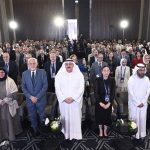
The vibrant sounds and rich heritage of the Arabic language filled classrooms across Bahrain last week as the Ministry of Education hosted its annual Arabic Language Week from November 16th to 20th. This nationwide initiative wasn’t just about grammar and vocabulary; it was a celebration of national identity, cultural pride, and the crucial role the Arabic language plays in academic success. The week saw a diverse range of activities designed to engage students of all ages and foster a deeper appreciation for their mother tongue.
Celebrating Arabic Language & National Identity
The annual Arabic Language Week is a cornerstone of the Ministry of Education’s commitment to strengthening Arabic language skills amongst Bahraini students. Professor Ibrahim Ali Al-Borshid, Assistant Undersecretary for Education, emphasized the Ministry’s firm belief that a strong foundation in the Arabic language directly correlates with improved academic performance and a heightened sense of cultural belonging. He noted that proficiency in one’s mother tongue isn’t simply about linguistic ability, but about fostering a connection to history, heritage, and national values.
This year’s theme, subtly woven throughout the week’s events, focused on the inextricable link between language and identity. The goal was to demonstrate how the Arabic language isn’t just a tool for communication, but a vital component of what makes Bahraini culture unique.
Innovative Programs Across Bahraini Schools
Schools across the Kingdom truly rose to the occasion, showcasing creativity and dedication in their Arabic Language Week programs. Each institution adopted a unique approach, tailoring activities to suit the age and interests of their students.
Highlights from Participating Schools
- Saar Secondary School for Girls: Focused on honing writing skills through engaging competitions. They also launched a ‘Green Reading’ initiative, encouraging students to connect with literature in an environmentally conscious way.
- Sheikh Khalifa Institute of Technology: Combined traditional artistry with modern learning. Students explored the beauty of Arabic calligraphy and sharpened their critical thinking skills through lively debates – all conducted in Arabic, of course.
- Aali Primary School for Girls: Embraced the power of technology. They introduced educational games designed to make learning Arabic fun and interactive, and even ventured into digital storytelling using artificial intelligence (AI) tools. This innovative approach demonstrated how technology can be leveraged to enhance Arabic language learning.
- Al-Hadd Preparatory School for Girls: Showcased student talent through performance. Their program included ‘My Language in a Minute,’ a fast-paced presentation challenge, and a powerful play titled ‘My Language is My Identity,’ which resonated deeply with students and teachers alike.
These examples demonstrate a commitment to moving beyond traditional rote learning and embracing more dynamic and engaging methods of teaching Arabic. The integration of technology, like the AI-powered storytelling at Aali Primary School, is particularly noteworthy.
The Importance of Linguistic Development
The success of Arabic Language Week underscores the importance of continued investment in linguistic development. Beyond academic benefits, a strong command of Arabic fosters a sense of cultural continuity and allows students to fully participate in Bahraini society. Furthermore, proficiency in Arabic opens doors to a wider range of opportunities, both within the region and globally.
However, maintaining and promoting the Arabic language in a rapidly globalizing world presents ongoing challenges. The Ministry of Education’s commitment to initiatives like this week is crucial in ensuring that future generations remain connected to their linguistic heritage. The use of modern tools and techniques, such as those seen at Aali Primary School, is vital for keeping the language relevant and engaging for young learners.
The week also highlighted the growing role of Arabic calligraphy as a beautiful and enduring art form, connecting students to the historical and aesthetic dimensions of the language.
In conclusion, the 2023 Arabic Language Week was a resounding success, demonstrating the dedication of Bahraini schools and the Ministry of Education to nurturing a love for the Arabic language and fostering a strong sense of national identity. The innovative programs and enthusiastic participation from students across the Kingdom serve as a powerful reminder of the enduring importance of preserving and promoting this vital cultural treasure. We encourage parents and educators to continue fostering a love of Arabic at home and in the classroom, ensuring that this beautiful language continues to thrive for generations to come.