
Kuwait is actively investing in its future, focusing on both human capital development and advancements in critical healthcare sectors. Recent celebrations highlighted two key areas of progress: a longstanding partnership fostering leadership excellence through international education, and significant strides in the field of organ transplantation. Both initiatives underscore the nation’s commitment to a knowledge-based economy and improved quality of life for its citizens. This article will delve into these developments, examining Kuwait’s collaboration with Harvard Kennedy School and its growing capabilities in organ transplantation.
KFAS and Harvard Kennedy School: A Quarter Century of Leadership Development
The Kuwait Foundation for the Advancement of Sciences (KFAS) recently commemorated 25 years of its impactful executive program partnership with Harvard Kennedy School. The event, held at the Scientific Center and attended by His Highness the Prime Minister Sheikh Ahmad Al-Abdullah Al-Ahmad Al-Sabah, served as a recognition of the program’s success in nurturing Kuwaiti leaders.
The Prime Minister lauded KFAS’s role as a national pillar for supporting research, innovation, and crucially, capacity building. He specifically emphasized the Harvard Kennedy School partnership as a strategic investment, equipping participants with the modern tools needed for effective policymaking and governance. This isn’t simply about acquiring new skills; it’s about preparing Kuwaiti nationals to address the complex challenges presented by a rapidly evolving global landscape.
The Program’s Impact and Expansion
Launched in 2000, the KFAS-Harvard program has so far graduated 770 individuals. Notably, a significant 450 of these alumni now occupy leadership positions across Kuwait’s public and private sectors, demonstrating the program’s tangible influence.
The collaboration extends beyond individual participant development. It actively promotes joint research ventures, provides fellowship opportunities, and facilitates valuable academic exchanges between Kuwaiti and Harvard scholars. These initiatives contribute to a broader flow of knowledge and expertise that benefits the country as a whole.
KFAS’s commitment to international academic collaboration doesn’t stop at Harvard. Partnerships with institutions like London Business School, the National University of Singapore, Wharton, Cambridge, LSE, and ESMT Berlin further demonstrate their dedication to knowledge transfer, having benefited over 1,500 participants to date. This diversified approach ensures Kuwait taps into a wide range of global expertise.
Kuwait’s Rising Profile in Organ Transplantation
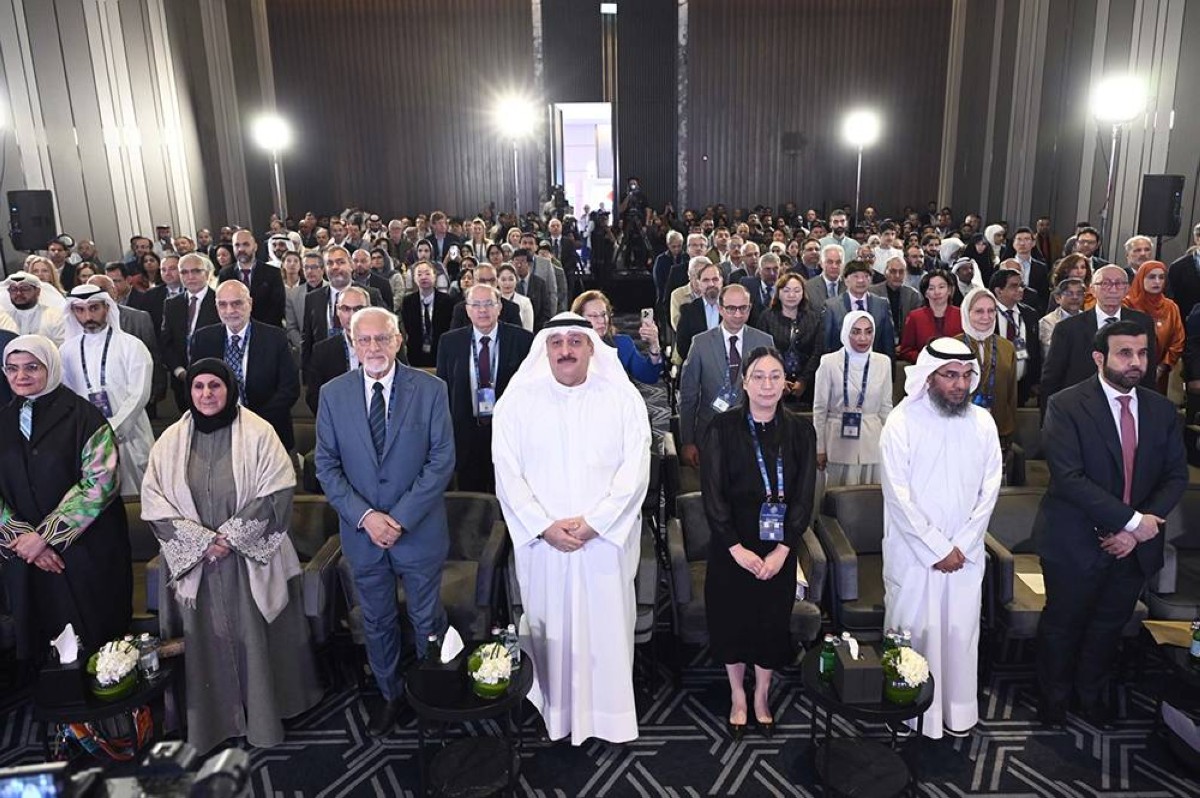
Alongside the focus on leadership development, Kuwait is making remarkable progress in healthcare, particularly in the area of organ transplantation. The country recently hosted the 19th Congress of the Asian Society of Transplantation (CAST), a first for Kuwait, signifying its growing stature in the regional medical community.
Health Minister Dr. Ahmad Al-Awadhi, in his opening address, highlighted Kuwait’s pioneering history in kidney transplantation, dating back decades. He also proudly announced the recent launch of a heart transplant program, marking a significant leap forward in the nation’s medical capabilities. Looking ahead, the Ministry anticipates operationalizing liver and lung transplant programs in the coming months, further expanding access to life-saving procedures.
Addressing Regional Demand & Fostering Expertise
The surge in demand for organ transplantation services throughout the Gulf and Middle East region was also acknowledged. Dr. Al-Awadhi emphasized the critical role played by skilled national medical cadres in meeting this demand and advancing the field. Kuwait’s investment in training and developing its own medical professionals is, therefore, paramount.
The CAST conference, attended by 700 participants from 28 countries, including 300 lecturers and 100 speakers, provided a vital platform for discussion. Key topics included addressing the chronic shortage of donor organs and sharing the latest groundbreaking developments in all aspects of transplantation. Dr. Turki Al-Otaibi, head of the conference’s scientific committee, underscored Kuwait’s long-term commitment to expanding both organ donation awareness and the availability of transplant programs, building on the foundation of its first kidney transplant performed in 1979.
A Vision for the Future
These concurrent achievements – the flourishing partnership with Harvard Kennedy School, and the impressive advances in organ transplantation – paint a clear picture of Kuwait’s strategic direction. The nation is prioritizing investments in both its people and its healthcare infrastructure.
KFAS remains dedicated to strengthening and widening its collaboration with Harvard Kennedy School, aligning with Kuwait’s vision for a diversified, knowledge-based economy. This commitment, coupled with continued development of specialized medical programs, solidifies Kuwait’s position as a regional leader striving for scientific progress and a brighter future for its citizens. The focus on equipping future leaders with skills in areas like artificial intelligence and advanced policymaking is particularly encouraging, demonstrating a proactive approach to navigating the challenges and opportunities of the 21st century.