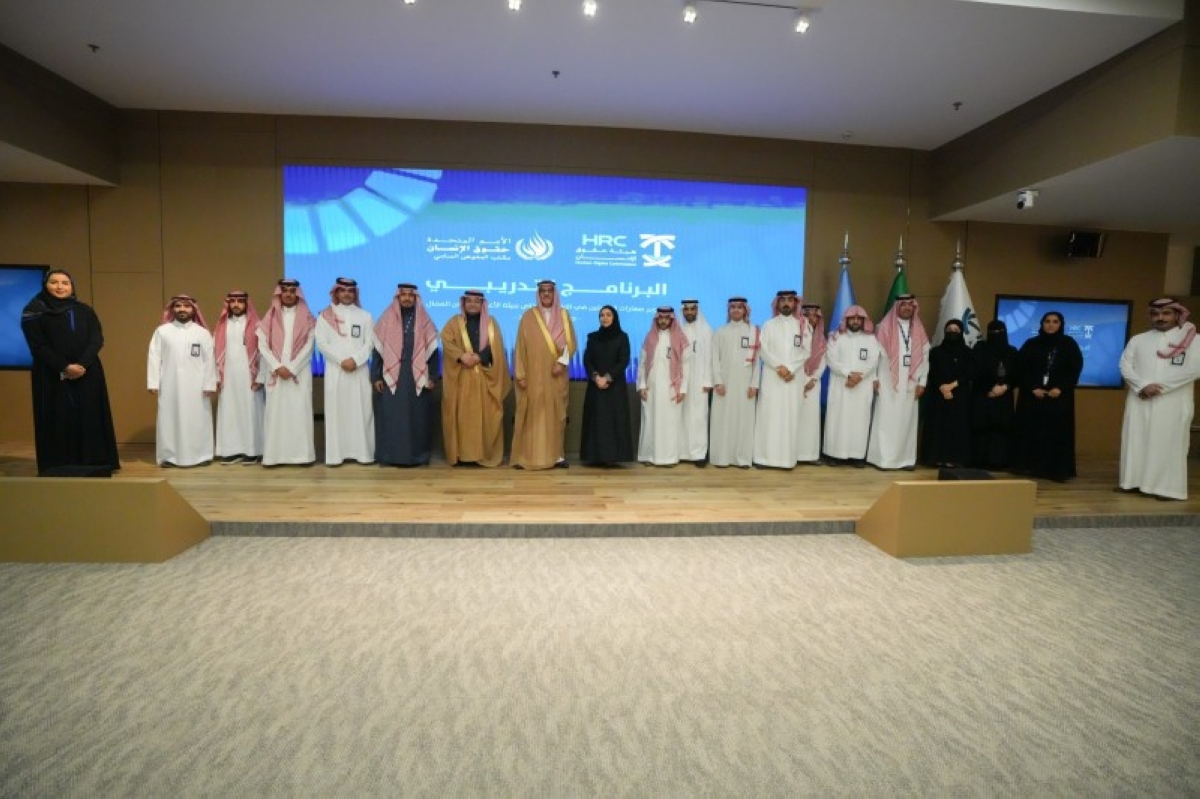

RIYADH — The Saudi Human Rights Commission recently completed a specialized training program for labor inspectors focused on enhancing oversight of workplaces and employee housing. Held in Riyadh from November 23rd to 27th, the program aimed to align inspection practices with international human rights standards. This initiative comes as Saudi Arabia continues to implement significant reforms to its labor laws and worker protections.
The training, conducted in collaboration with the UN High Commissioner for Human Rights and the International Labour Organization, involved officials from the Human Rights Commission and was attended by Vice President Dr. Hisham Al-Sheikh. The program’s completion signals a continued commitment to improving working conditions within the Kingdom and ensuring the fair treatment of all employees. It reflects broader efforts to modernize Saudi Arabia’s legal and institutional frameworks.
Strengthening Labor Inspection Capabilities
The primary objective of the training program was to improve the effectiveness of Saudi Arabia’s labor inspectors. According to the Human Rights Commission, the curriculum covered a range of crucial areas. These included international inspection systems, robust governance frameworks, and practical strategies for boosting inspection processes related to occupational health and safety in worker accommodations.
Assistant President for Human Rights Protection, Ghada Al-Ibrahim, emphasized the program’s significance, stating it is part of the Commission’s ongoing work to improve inspection mechanisms. Inspectors will now be better equipped to ensure compliance with evolving labor standards. Additionally, the partnership with international organizations provided a valuable opportunity for knowledge exchange.
Focus on Occupational Health and Safety
A key component of the training centered on occupational health and safety protocols within workplaces and residences. The Ministry of Human Resources and Social Development has increasingly focused on reducing workplace accidents and improving overall employee well-being, according to recent policy announcements. The course likely covered hazard identification, risk assessment, and enforcement procedures for these regulations.
The program also appears to have addressed governance structures for labor inspection. This includes clarity on inspector roles, responsibilities, and the legal basis for their authority. Effective governance is crucial for ensuring inspections are conducted fairly, consistently, and without undue influence.
Alignment with International Standards
Saudi Arabia has been actively working to align its labor laws with international norms and conventions. This training program, in cooperation with the UN and ILO, is a direct result of that commitment. The Kingdom ratified the ILO’s Convention on the Rights of Persons with Disabilities in 2013, and has been implementing its provisions.
However, challenges remain in enforcing existing regulations and ensuring full protection for all foreign workers. Organizations like Amnesty International have previously reported concerns about wage theft, excessive working hours, and restrictions on mobility for migrant laborers. The Commission’s efforts, therefore, are viewed as a necessary step towards addressing these historical issues.
The emphasis on best practices also suggests a move toward more proactive and preventative inspection approaches. Rather than solely reacting to complaints, inspectors are being trained to identify and address potential problems before they lead to harm or rights violations. This shift could significantly improve employee rights protection across various sectors.
The program’s format, encompassing both presentations and discussion sessions, facilitated a two-way flow of information. This allowed Saudi inspectors to learn from international experts while also sharing their own experiences and challenges in the local context. The exchange of insights likely tailored the training to the specific needs of the Saudi labor market.
The role of the Human Rights Commission has been evolving in recent years, with an expanding mandate for monitoring and promoting human rights, including the rights of workers. The Commission increasingly takes a proactive stance, initiating investigations and offering recommendations for legal and policy reforms. This training program is a tangible demonstration of that expanded role.
The Saudi government has introduced several reforms aimed at improving the lives of workers, including the implementation of a minimum wage and the easing of restrictions on changing employers. These changes, coupled with enhanced inspection capabilities, are intended to create a more attractive and equitable labor market. The success of these reforms will depend on consistent enforcement and ongoing monitoring.
Looking ahead, the Human Rights Commission plans to implement further targeted initiatives to bolster labor rights and improve working conditions. The Commission has not provided a firm timeline for the rollout of these initiatives beyond stating they are “ongoing”. Observers will be watching for concrete details regarding the allocation of resources, the specific sectors targeted, and the development of metrics to measure the impact of these efforts on the ground. The degree to which these programs address systemic issues impacting vulnerable worker populations will be a key indicator of their effectiveness.
It remains to be seen how the skills gained from the training program will translate into practical improvements in workplace safety and labor rights enforcement. Future reports and data from the Commission will be essential in assessing the program’s long-term impact and identifying any remaining gaps in protection.