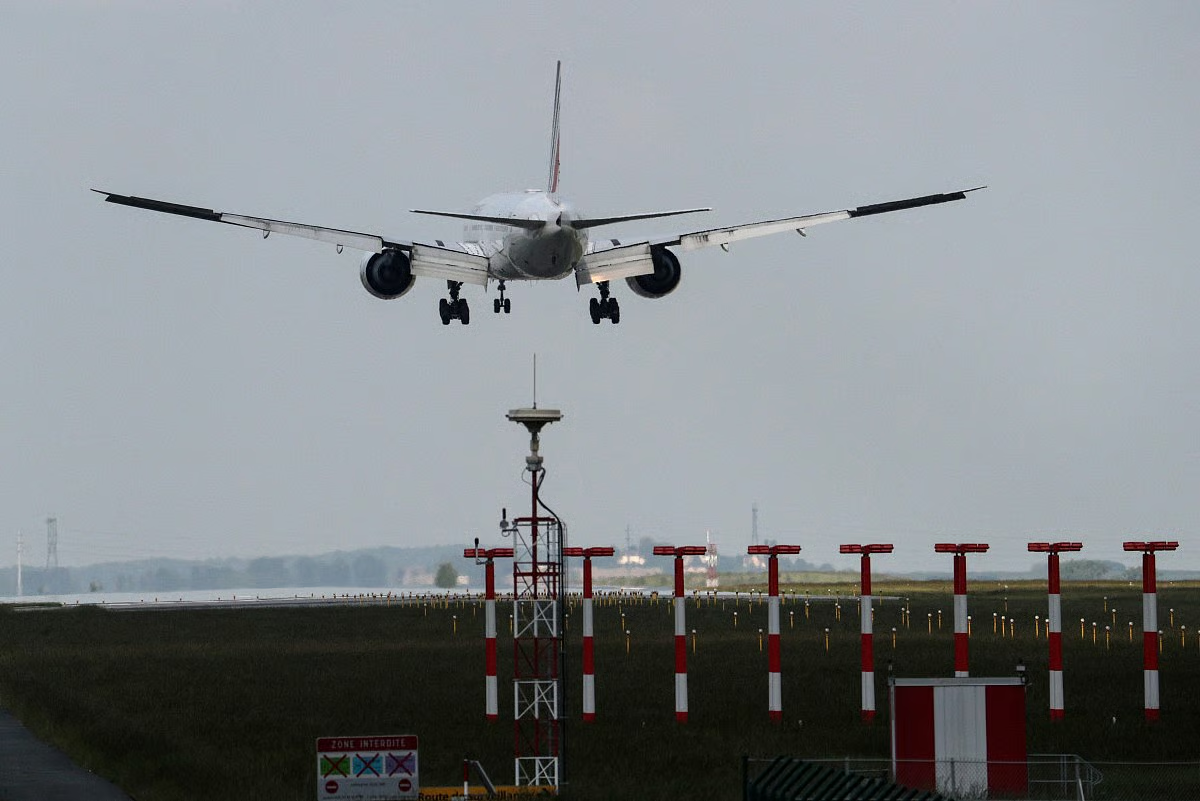

A domestic JetSMART flight experienced significant disruption and panic after a passenger allegedly opened an emergency exit during a stopover in Santiago, Chile, on Monday. The incident, involving flight JA23001 from Buenos Aires, Argentina, to Santiago, and ultimately destined for Lima, Peru, resulted in a lengthy delay for all passengers and sparked a security investigation. Authorities are currently working to determine the precise motivation behind the emergency exit opening, though initial reports suggest a possible mental health crisis.
The incident occurred while the aircraft was on the ground at Arturo Merino Benítez International Airport in Santiago. Passengers reported hearing a loud sound and observing the activation of an emergency slide following the event. No injuries were reported, but the unscheduled evacuation and subsequent inspection caused considerable inconvenience to those aboard the flight, as well as impacting other airport operations.
Understanding the Flight Disruption and Emergency Exit Opening
The JetSMART flight, initially scheduled to continue to Lima, Peru, was immediately grounded after the emergency exit opening. Local authorities, including the Civil Aviation Authority of Chile (DGAC), were notified and began a thorough investigation. The DGAC confirmed the incident and stated that all safety protocols were followed in securing the aircraft and assisting passengers.
Passenger Accounts and Initial Reactions
Several passengers documented the event on social media, describing a chaotic scene as the emergency slide inflated. Videos show crew members attempting to calm passengers and manage the situation. According to witnesses, the individual responsible for opening the exit appeared disoriented and was quickly detained by airport security.
Flight delays are unfortunately common, but an event like this introduces a distinct level of anxiety and requires substantial resources to address. The airline prioritized the safety and well-being of all passengers, providing assistance with rebooking and accommodation while the aircraft underwent mandatory safety checks.
The Legal Ramifications
Opening an aircraft emergency exit without legitimate cause carries significant legal consequences, both domestically and internationally. Under Chilean law, the individual could face substantial fines and even imprisonment. Additionally, the airline is likely to pursue costs associated with the unscheduled landing, evacuation, and the subsequent delay of the flight.
International regulations, governed by organizations like the International Civil Aviation Organization (ICAO), place a strong emphasis on the security of air travel. Tampering with aircraft safety equipment is considered a serious offense. Reports suggest the passenger is facing charges related to aviation security violations.
Factors Contributing to Emergency Exit Activations
While this particular incident appears to be linked to a potential individual crisis, aircraft safety incidents involving emergency exits are not unprecedented. Such events frequently occur due to a range of factors, not always involving malicious intent.
Misunderstanding of Safety Procedures
Often, passengers may misunderstand how emergency exits function or become confused during turbulent times or stressful situations. A lack of clear communication or insufficient passenger briefing on safety procedures can contribute to such misunderstandings. Airlines are continually reviewing and updating their safety briefings to address these concerns.
Mental Health Concerns
As suspected in this case, a passenger’s mental health can play a role. Stress, anxiety, or underlying mental health conditions may lead to irrational behaviors, including the inappropriate activation of emergency equipment. There is growing discussion about the need for airline staff to be better equipped to identify and support passengers experiencing mental distress.
Intentional Acts
In rarer cases, emergency exits are deliberately opened as part of a disruptive or even criminal act. These cases often involve passengers attempting to evade security or cause damage to the aircraft. Security measures and passenger screening procedures are constantly evolving to mitigate this risk.
The financial impact of a false alarm, such as this emergency exit opening, can be substantial for airlines. Beyond the immediate costs of evacuation and inspection, there are expenses related to passenger compensation, flight rescheduling, and potential damage to the aircraft’s reputation.
The JetSMART flight JA23001 eventually departed for Lima, Peru, after a delay of approximately eight hours, according to flight tracking data. Replacement of the emergency slide and comprehensive safety inspections were required before the aircraft was deemed airworthy. Passengers were provided with meal vouchers and accommodation during the extended wait.
Meanwhile, investigations are ongoing to understand the full scope of the incident and to determine whether any systemic failures contributed to the situation. The DGAC is expected to release preliminary findings in the coming days.
In contrast to this incident, airlines are continually investing in new technologies to enhance aircraft safety and security, including improved emergency exit designs and more advanced passenger screening systems. These efforts aim to prevent unauthorized access to critical safety equipment and minimize the risk of disruption.
The incident serves as a reminder of the importance of adhering to all onboard safety instructions and reporting any suspicious behavior to the flight crew. The aviation industry remains committed to maintaining the highest standards of safety and security for passengers and crew alike.
Looking ahead, the DGAC is expected to complete its formal report and submit it to the Ministry of Transport and Telecommunications by the end of next week. The report will likely detail the sequence of events, identify any contributing factors, and recommend measures to prevent similar incidents in the future. Further developments regarding potential legal action against the passenger are also anticipated, though the timeline remains uncertain.