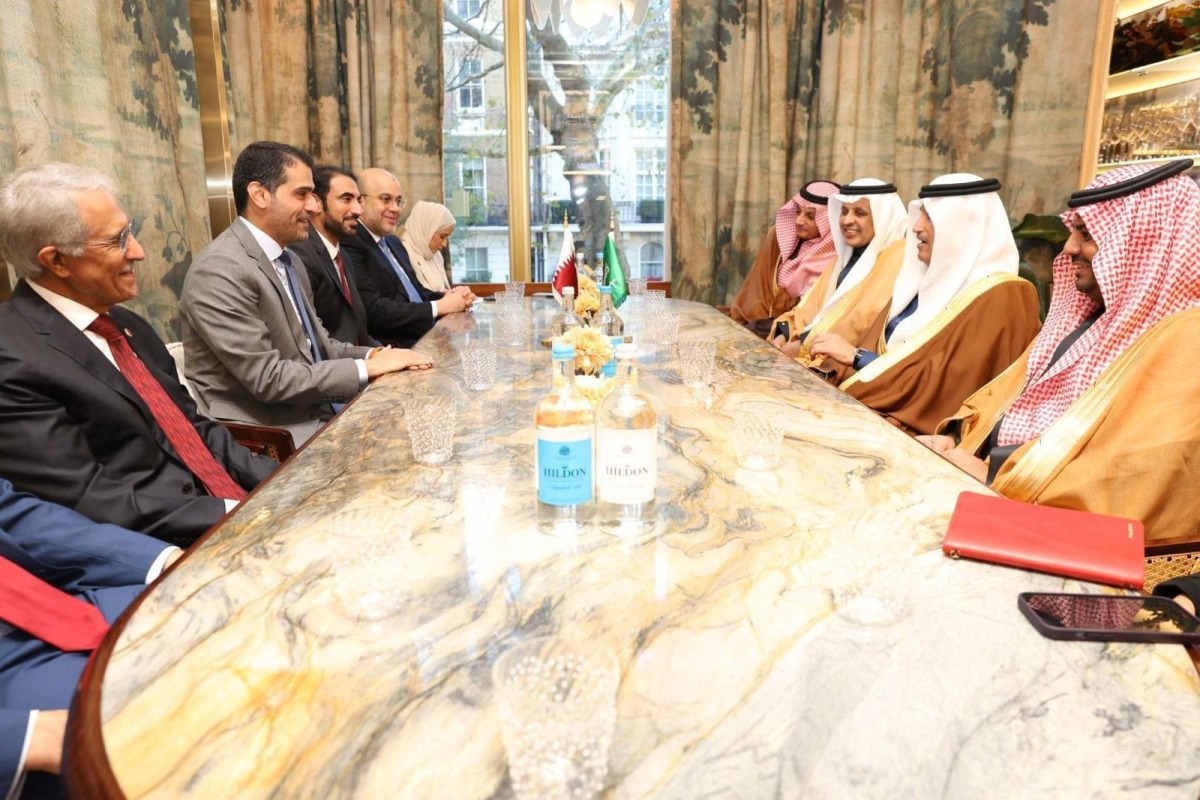

Qatar and Saudi Arabia are strengthening transportation ties, with high-level officials meeting in London on the sidelines of the International Maritime Organization (IMO) Assembly. The discussions focused on enhancing bilateral cooperation in the transportation sector, with a particular emphasis on bolstering logistics services. This meeting signals a continued commitment to regional collaboration in a strategically important industry.
The meeting took place on November 28, 2023, between Qatar’s Minister of Transport HE Sheikh Mohammed bin Abdullah bin Mohammed Al-Thani and Saudi Arabia’s Minister of Transport and Logistic Services HE Eng. Saleh Bin Nasser Al Jasser. HE Sheikh Abdulla bin Mohammed bin Saud Al-Thani, Qatar’s Ambassador to the United Kingdom, Ireland, and Iceland, and Permanent Representative to the IMO, also attended the discussions.
Boosting Qatar-Saudi Arabia Transportation Cooperation
The core of the meeting revolved around identifying opportunities to elevate the existing relationship between Qatar and Saudi Arabia in the realm of transportation. Both nations recognize the critical role efficient transport networks play in economic diversification and regional trade. According to statements released following the meeting, the ministers explored avenues for increased collaboration, particularly within the logistics sector.
Logistics as a Key Focus
Logistics services are increasingly vital for both countries, supporting growing economies and facilitating international commerce. Qatar’s national vision prioritizes the development of a world-class logistics infrastructure, while Saudi Arabia’s Vision 2030 includes ambitious goals for transforming the Kingdom into a global logistics hub. This shared focus creates a natural synergy for cooperation.
The ministers reportedly discussed potential joint ventures and initiatives aimed at streamlining transport processes, improving infrastructure connectivity, and enhancing the efficiency of supply chains. This could involve collaboration on port development, railway projects, and the implementation of advanced technologies within the transportation industry.
However, specific details of the proposed collaborations were not disclosed. The meeting served as a platform for initial discussions and the establishment of a framework for future negotiations.
Meanwhile, the location of the meeting – coinciding with the IMO Assembly – highlights the importance of maritime transportation to both nations. The IMO Assembly is a key forum for international cooperation on maritime safety and security, environmental protection, and the efficiency of shipping. Qatar and Saudi Arabia are both active members of the IMO and share common interests in promoting a sustainable and secure maritime sector.
In contrast to past periods of strained relations, the current engagement reflects a broader trend of improved diplomatic and economic ties between Qatar and Saudi Arabia. The restoration of diplomatic relations in 2021 paved the way for increased cooperation across various sectors, including transportation and logistics. This positive momentum is expected to continue, fostering greater regional stability and economic integration.
Additionally, the development of regional infrastructure projects, such as the GCC railway network, could further enhance connectivity and facilitate trade between Qatar and Saudi Arabia. The GCC railway aims to connect all six Gulf Cooperation Council member states with a standardized rail network, potentially revolutionizing freight transport in the region.
The Ministry of Transport in Qatar has consistently emphasized the importance of strategic partnerships in achieving its national transportation goals. This meeting with Saudi Arabia underscores that commitment and signals a willingness to work collaboratively with regional partners to address shared challenges and capitalize on emerging opportunities. Related sectors like Qatar logistics and Saudi Arabian transport are expected to benefit from this increased cooperation.
Looking ahead, further discussions are anticipated to define specific projects and timelines for implementation. The next steps will likely involve the formation of joint working groups to explore specific areas of collaboration in greater detail. The success of these initiatives will depend on continued political will, effective coordination, and a shared commitment to achieving mutually beneficial outcomes. The timeline for concrete project announcements remains uncertain, and observers will be watching for further developments in the coming months.