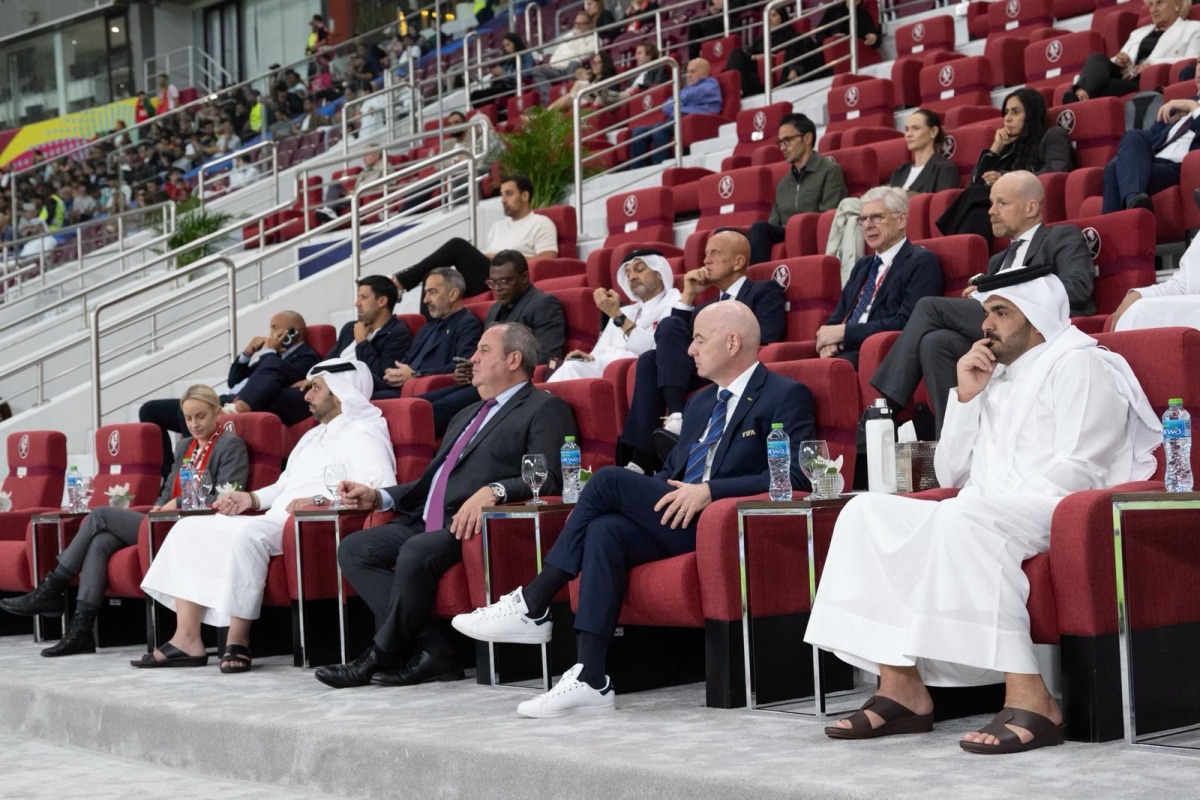

Qatar successfully hosted the final of the FIFA U-17 World Cup on Saturday, December 16, 2023, at the iconic Khalifa International Stadium. Portugal secured victory over Austria with a 1-0 scoreline, marking the culmination of the tournament held across the nation. The event showcased Qatar’s continued commitment to international sports and its infrastructure for hosting major competitions, further solidifying its position as a global sporting hub.
His Excellency Sheikh Joaan bin Hamad Al Thani, President of the Qatar Olympic Committee (QOC), was in attendance to witness the final match. FIFA President Gianni Infantino presented the trophy to the winning Portuguese team, while Jassim bin Rashid Al Buenain, QOC Secretary-General and President of the Qatar Football Association, participated in the awards ceremony. The match drew significant local and international attention, highlighting the growing popularity of youth football.
Qatar’s Successful Hosting of the FIFA U-17 World Cup
This year’s FIFA U-17 World Cup, held from November 10th to December 16th, featured 50 national teams competing across eight stadiums in Qatar. The tournament provided a platform for emerging young talents in football, with players vying for recognition on a global stage. Qatar’s bid to host the event was accepted by FIFA in 2022, following Brazil’s withdrawal as the original host.
Infrastructure and Logistics
Qatar leveraged its existing world-class infrastructure, developed for the 2022 FIFA World Cup, to ensure a smooth and efficient tournament. This included transportation networks, accommodation facilities, and state-of-the-art stadiums. According to reports from FIFA, the logistical arrangements were praised by participating teams and officials.
However, concerns were raised prior to the tournament regarding potential low attendance figures, particularly during the group stages. FIFA and the QOC implemented promotional campaigns to encourage local participation and boost stadium occupancy. Ultimately, attendance figures varied throughout the tournament, with the final match drawing a substantial crowd.
Economic and Sporting Impact
The hosting of the FIFA U-17 World Cup is expected to have a positive economic impact on Qatar, boosting tourism and related industries. The event also provided valuable experience for local organizers in managing large-scale sporting events. Furthermore, it offered opportunities for Qatari youth to engage with international football and potentially inspire future generations of players.
Additionally, the tournament served as a showcase for Qatar’s commitment to developing football at the grassroots level. The QFA has been actively investing in youth development programs, aiming to nurture local talent and improve the national team’s performance. The success of the U-17 World Cup is anticipated to further accelerate these efforts.
The tournament also provided a valuable opportunity to test operational readiness for future sporting events. Qatar continues to bid for and host major international competitions, including athletics and swimming championships. The experience gained from the U-17 World Cup will be crucial in refining these processes.
In contrast to some previous concerns about fan engagement, the final match saw a vibrant atmosphere at Khalifa International Stadium. The presence of Sheikh Joaan bin Hamad Al Thani and Gianni Infantino underscored the importance of the event to both Qatar and FIFA. The tournament also highlighted the growing interest in youth football globally.
Looking ahead, Qatar will analyze the feedback from the tournament to identify areas for improvement in future event planning. A comprehensive report detailing the economic and social impact of the FIFA U-17 World Cup is expected to be released by the QOC and FIFA in the coming months. The long-term effects on youth football development in Qatar remain to be seen, but the tournament represents a significant investment in the nation’s sporting future and its continued role as a prominent host of international sporting events, including potential future bids for larger football tournaments.