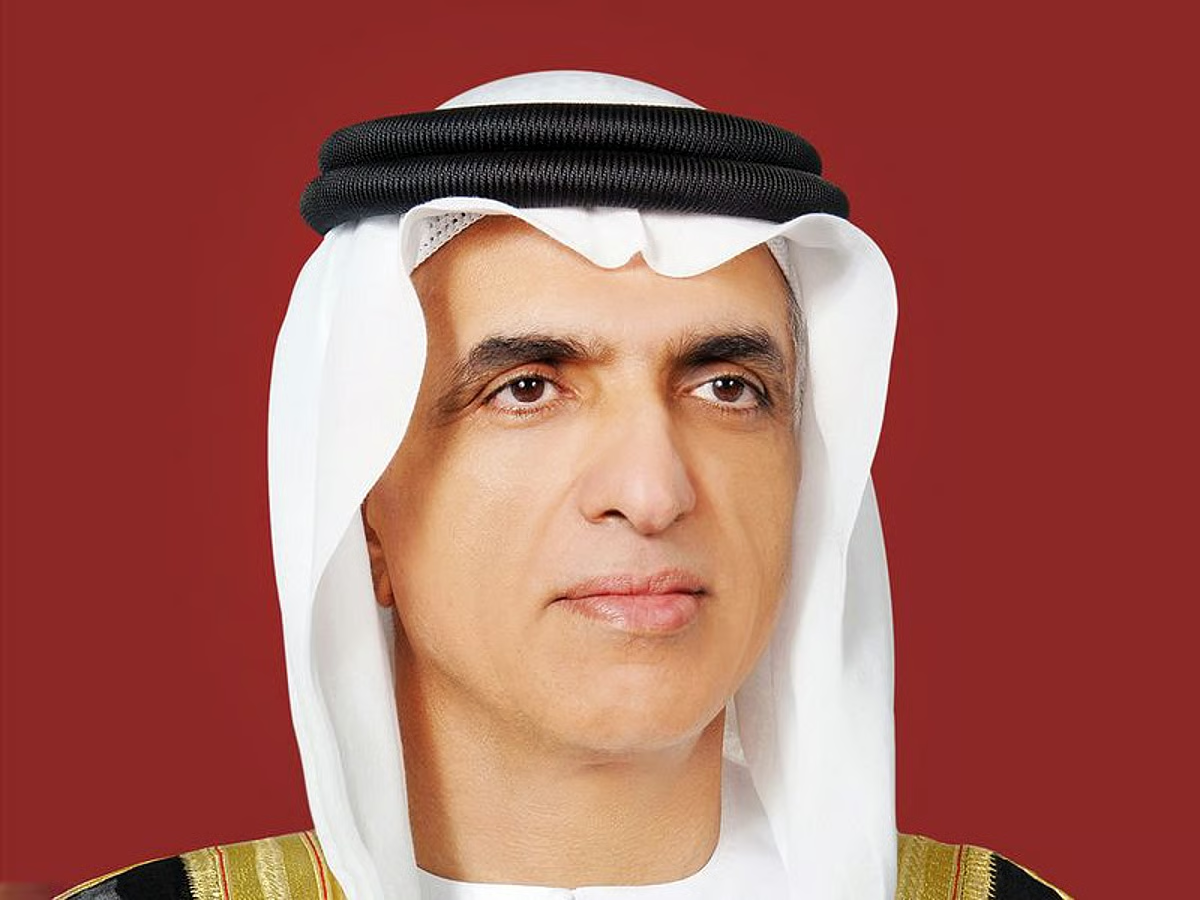

Ras Al Khaimah’s ruler, Sheikh Saud bin Saqr Al Qasimi, has issued a comprehensive pardon for 854 inmates currently serving sentences in the emirate’s correctional facilities. The announcement, made on Tuesday, aims to provide a fresh start for individuals and strengthen community ties, according to the Ras Al Khaimah Government Media Office. This large-scale prisoner pardon is the latest in a series of similar initiatives across the United Arab Emirates.
The pardon applies to inmates of various nationalities, with the decision taking immediate effect. The move follows a review of individual cases by the Public Prosecution and judicial authorities, ensuring that those released meet specific criteria related to good behavior and the nature of their offenses. The initiative is timed to coincide with the approaching Eid Al Adha celebrations, a significant religious holiday in the Islamic calendar.
Ras Al Khaimah Prisoner Pardon: Details and Criteria
The criteria for eligibility for the prisoner pardon were stringent, focusing on inmates who demonstrated remorse and a commitment to rehabilitation. According to statements released by the government, the review process prioritized cases involving first-time offenders and those convicted of less serious crimes. The aim is to reintegrate individuals back into society as productive members.
Offense Types Included
The pardon encompassed a range of offenses, including minor financial crimes, traffic violations resulting in imprisonment, and certain drug-related offenses where rehabilitation programs had been successfully completed. However, the initiative specifically excluded individuals convicted of serious crimes such as murder, terrorism, or offenses endangering national security. This distinction underscores the government’s commitment to public safety.
Nationality Breakdown
While official figures detailing the nationality breakdown of those pardoned have not been released, reports indicate a significant number of the beneficiaries are from Asian and African countries. This reflects the demographic composition of the expatriate workforce in the UAE. The UAE government consistently emphasizes its commitment to humanitarian principles in its treatment of foreign nationals within its legal system.
The decision to grant this extensive pardon aligns with broader efforts within the UAE to promote restorative justice and reduce prison populations. Additionally, it reflects a cultural emphasis on forgiveness and second chances, particularly during religious holidays. Similar initiatives have been undertaken in recent years by rulers in other emirates, including Dubai and Abu Dhabi.
The process leading up to the pardon involved a thorough assessment of each inmate’s file, including their criminal history, behavior during incarceration, and participation in rehabilitation programs. The Public Prosecution collaborated closely with the judicial authorities to ensure fairness and transparency in the selection process. This collaborative approach is a hallmark of the UAE’s legal system.
Meanwhile, the Ministry of Interior has been actively involved in implementing rehabilitation programs within correctional facilities. These programs focus on skills development, education, and psychological support, aiming to equip inmates with the tools they need to successfully reintegrate into society. The success of these programs was a key factor considered during the pardon review.
In contrast to some international approaches to criminal justice, the UAE increasingly emphasizes rehabilitation over purely punitive measures. This shift is evident in the growing investment in correctional facilities and the expansion of rehabilitation programs. The government views these initiatives as essential for reducing recidivism rates and fostering a safer society.
The implications of this pardon extend beyond the immediate release of inmates. It is expected to alleviate pressure on the correctional system and free up resources for other law enforcement priorities. Furthermore, it sends a positive message about the UAE’s commitment to human rights and social welfare. The initiative also reinforces the country’s image as a compassionate and forward-thinking nation.
The release process is being coordinated by the Ras Al Khaimah Police and relevant government agencies. Inmates who are eligible for release are being provided with assistance to facilitate their reintegration into society, including support with housing, employment, and access to social services. This holistic approach aims to minimize the risk of re-offending.
However, the long-term impact of the pardon will depend on the effectiveness of ongoing rehabilitation efforts and the availability of support services for released inmates. Monitoring recidivism rates and evaluating the success of reintegration programs will be crucial for informing future policy decisions. The government has not yet announced specific plans for long-term monitoring.
Looking ahead, the Ras Al Khaimah government is expected to continue its focus on restorative justice and rehabilitation within the criminal justice system. Further initiatives aimed at reducing prison populations and promoting social reintegration are anticipated in the coming months. The next major review of inmate cases is likely to occur before the end of the year, although the timing remains subject to change based on ongoing assessments and legal considerations.