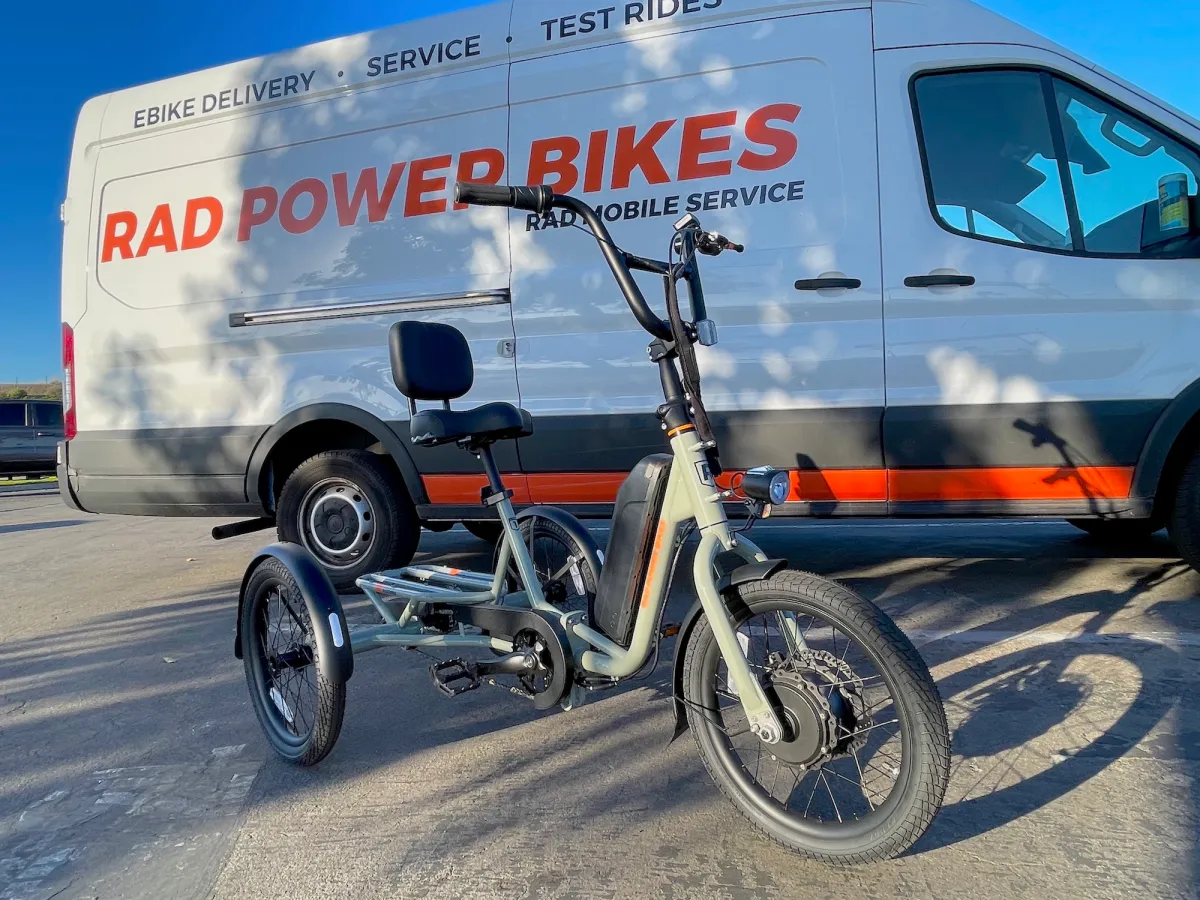

Rad Power Bikes’ batteries are under intense scrutiny after the U.S. Consumer Product Safety Commission (CPSC) issued a warning advising owners to immediately stop using them due to a significant fire and explosion risk. The CPSC links the faulty batteries to at least 31 reported incidents, including 12 resulting in property damage. This development casts a shadow over the popular e-bike company, which is already facing a potential shutdown due to financial difficulties.
The warning, released Monday, applies to specific lithium-ion batteries used in Rad Power Bikes’ electric bicycles. According to the CPSC, these batteries can unexpectedly ignite, posing a serious fire hazard to consumers, particularly when exposed to moisture or debris. The timing of this alert couldn’t be worse for Rad Power, which informed employees earlier this month that it may cease operations in January without new funding.
Rad Power Bike Battery Recall Dispute
The situation is further complicated by a public disagreement between Rad Power and the CPSC regarding a potential recall. The commission states Rad Power declined an “acceptable recall” plan, citing the company’s inability to provide replacements or refunds given its current financial state. This stance has drawn criticism from safety advocates and raised questions about the company’s commitment to consumer safety.
Rad Power, however, strongly contests the CPSC’s allegations. A company spokesperson told TechCrunch they “firmly stand behind our batteries” and disagree with the characterization of them as defective. They maintain their batteries meet stringent industry standards and assert the incident rate is very low.
Company’s Proposed Solution
Rad Power claims to have presented the CPSC with alternative solutions, including proactively upgrading customers to its newest battery models, which are not affected by the current safety concerns. The company alleges that the CPSC rejected this proposal as it demanded a comprehensive “all-or-nothing” recall, a cost Rad Power believes would be unsustainable and lead to immediate closure. The company underscored its sadness and concern for any customers affected by the reported incidents.
The controversy highlights the complexities of managing product safety issues, especially for financially vulnerable companies. Finding a balance between protecting consumers and ensuring the business’s survival is proving to be a significant challenge.
Understanding the Battery Fire Risk and Proper Disposal
The core of the issue lies in the potential for these specific lithium-ion batteries to experience thermal runaway, a chain reaction leading to fire or explosion. According to safety information, this risk is heightened when the battery case or related wiring is compromised by water or physical damage. Officials are stressing the urgency of addressing this problem, as lithium-ion battery fires are particularly difficult to extinguish.
The CPSC is strongly advising against standard disposal methods for these potentially hazardous batteries. Consumers are instructed not to simply throw them away with household trash or take them to conventional recycling centers. Instead, the commission urges individuals to transport the batteries to a local municipal household hazardous waste (HHW) collection center. This ensures proper handling and prevents further risks.
Identifying Affected Batteries
Rad Power has established a webpage on its website dedicated to helping owners determine if their battery is subject to the CPSC warning. The page provides detailed information and instructions for identifying the specific battery models involved. Consumers are encouraged to check the battery’s label and compare it to the information provided by the CPSC and Rad Power.
The incident also draws attention to the broader issue of e-bike safety and the increasing prevalence of lithium-ion battery fires. Experts in battery technology are calling for more rigorous testing and quality control measures throughout the e-bike industry. The growth of the micromobility market, including e-scooters and e-bikes, has been rapid, and ensuring safety standards keep pace is crucial.
The future of Rad Power Bikes remains uncertain. The company is actively seeking new investment to avoid its planned January shutdown. Meanwhile, the CPSC is continuing to investigate the battery issue and may pursue further action, despite Rad Power’s objections. Consumers should monitor the CPSC website for updates and follow the recommended safety guidelines regarding battery use and disposal. The next steps will likely involve further negotiations between Rad Power and the CPSC, and potentially legal action if a resolution cannot be reached.
Secondary keywords used: electric bicycles, lithium-ion batteries, e-bike safety