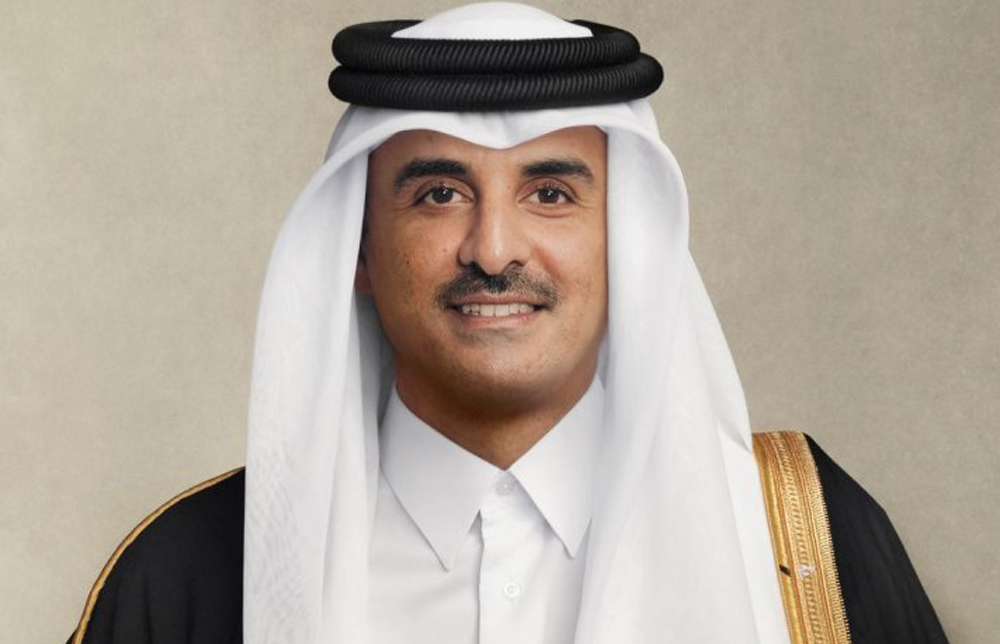

Qatar and Mauritania maintain strong diplomatic ties, recently reinforced by congratulations from His Highness Sheikh Tamim bin Hamad Al-Thani to Mauritanian President Mohamed Ould Cheikh Ghazouani on Mauritania’s Independence Day. The message, conveyed via cable on November 28, 2023, underscores the continued mutual respect and collaboration between the two nations. This exchange highlights Qatar’s consistent engagement with fellow Arab states and its support for regional stability.
The congratulatory message was sent from Doha, Qatar, to Nouakchott, Mauritania, marking the West African nation’s 59th anniversary of independence from France. Mauritania gained its independence on November 28, 1966, and the annual commemoration is a significant national event. The gesture from the Qatari Amir reflects the importance Qatar places on its relationships within the broader Islamic and Arab world.
Qatar and Mauritania: Strengthening Bilateral Relations
Though largely focused on political and diplomatic support, the relationship between Qatar and Mauritania extends to areas of economic cooperation and cultural exchange. According to the Ministry of Foreign Affairs, Qatar seeks to build bridges across the Arab world through sustained engagement. This includes supporting development initiatives and promoting shared interests on key regional and international issues.
Mauritania, a nation of roughly 4.9 million people, is strategically located in the Sahel region of Africa, facing unique challenges related to security, climate change, and economic development. Qatar, as a major global investor and mediator, has previously provided assistance to Mauritania in addressing these concerns. These collaborations demonstrate a commitment to proactive foreign policy.
Historical Context of Mauritania’s Independence
Mauritania’s path to independence was complex, marked by a 1960 referendum that resulted in a vote to remain within the French Community. Full independence followed in 1966, but the nation subsequently experienced periods of political instability and economic hardship. France continues to wield significant influence in the region, particularly in economic and security sectors.
In recent years, Mauritania has made strides towards strengthening its democratic institutions and diversifying its economy. However, the country still relies heavily on the export of iron ore and faces persistent issues of poverty and inequality. The country’s political landscape is considered relatively stable compared to some of its neighbors, with consistent elections, but corruption remains a concern according to international reports.
Additionally, Qatar’s engagement with Mauritania aligns with its broader strategy of supporting Arab League initiatives and promoting pan-Arab solidarity. Qatar has been a key player in mediating disputes and providing humanitarian aid across the Middle East and Africa. This support contributes to regional stability and counter-terrorism efforts.
In contrast to some other regional actors, Qatar pursues a relationship based on mutual respect and non-interference in internal affairs. The focus lies on supporting Mauritania’s own development priorities, such as improving education and infrastructure. Investment in infrastructure projects in Mauritania may present further opportunities for collaboration.
Meanwhile, Qatari investments in Africa have been steadily increasing. While the direct financial scope of Qatar’s involvement in Mauritania is not publicly detailed, the congratulatory message reinforces Doha’s intentions to fortify this partnership alongside broader African engagement. These efforts are often scrutinized as part of wider geopolitical dynamics between nations in the region.
The significance of the Independence Day message extends beyond a simple expression of goodwill. It signals a continuation of diplomatic efforts and the potential for enhanced cooperation between Qatar and Mauritania in the coming years. Looking ahead, further discussions regarding economic partnerships and security collaboration are anticipated.
The next steps in the Qatar-Mauritania relationship will likely involve follow-up diplomatic engagements and potential discussions regarding specific areas of collaboration. The timing and scope of these engagements remain uncertain, dependent on both nations’ evolving priorities and regional developments. Monitoring the statements from both the Qatari Ministry of Foreign Affairs and their Mauritanian counterparts will provide indications of future progress.