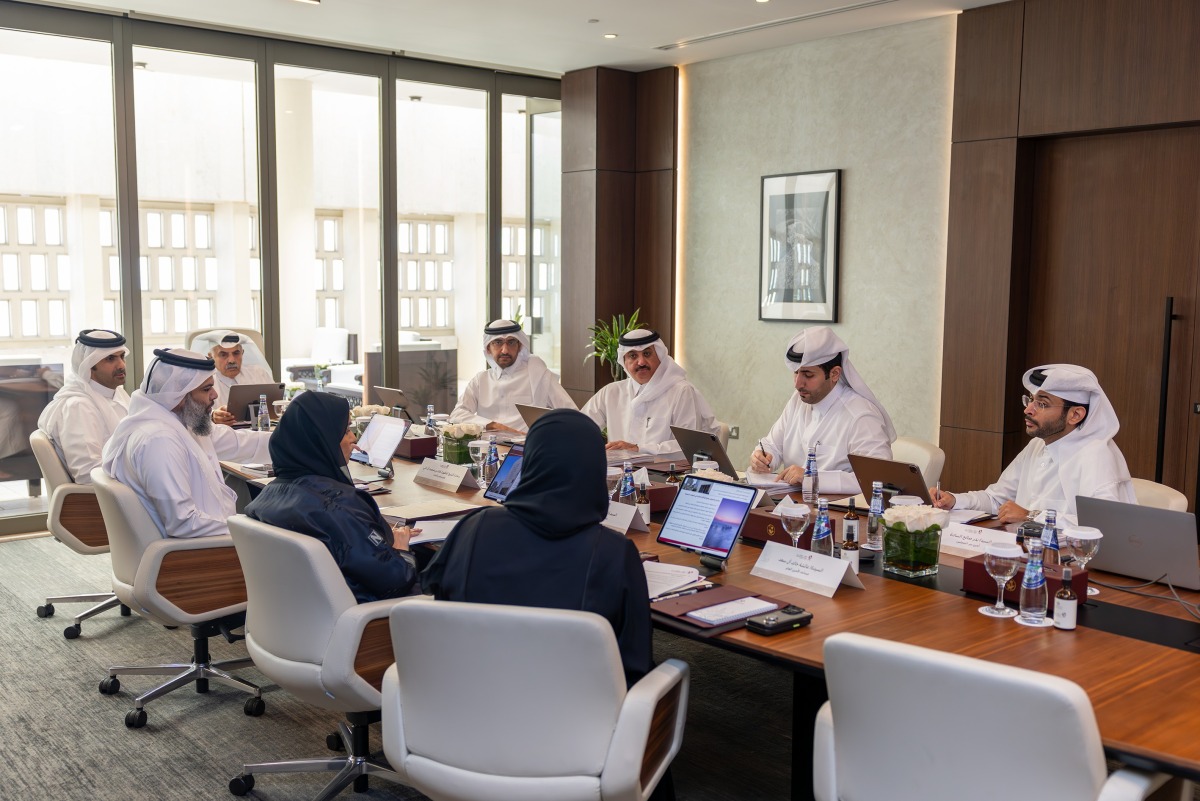

Doha, Qatar – The Board of Trustees of the National Archives of Qatar convened its second meeting this week to review 2025 accomplishments and outline plans for future development. Led by Chairman H.E. Abdullah bin Khalifa Al Attiyah, the meeting included discussions led by Minister of Culture H.E. Sheikh Abdulrahman bin Hamad Al-Thani and Minister of Justice and Minister of State for Cabinet Affairs H.E. Ibrahim bin Ali Al Mohannadi, focusing on strengthening Qatar’s national archives and preserving its historical documentation. The session highlighted significant progress in the organization and digitization of historical materials.
The meeting, held at the National Archives of Qatar premises, detailed achievements for the year alongside considerations for upcoming events and initiatives. Dr. Ahmed Abdullah Al Buainain, Secretary-General of the National Archives, presented the key findings, which were then used as the basis for decision-making regarding the institution’s continued growth and its role in cultural heritage.
Enhancing Qatar’s National Archives
The primary goal of the National Archives of Qatar, established in 2014, is to collect, preserve, and make accessible the documentary heritage of the country. This includes governmental records, maps, photographs, sound and moving images, and private papers of historical significance. The Board’s latest meeting underscores the ongoing commitment to these objectives.
According to reports, 2025 witnessed a substantial increase in the volume of documents processed and digitized. This expansion of digital resources allows for broader access to historical information for researchers, students, and the general public, both within Qatar and internationally. Digitization is a crucial element of document preservation and ensures the longevity of these records.
Key Achievements in 2025
The Secretary-General’s presentation focused on several key areas of development. These included advancements in archival infrastructure, increased collaboration with international institutions specializing in archiving practices, and the implementation of new technologies to improve document management.
Additionally, the archives reportedly made progress in several specialized collections, including those related to Qatar’s oil and gas industry, and detailed records pertaining to its pre-independence history. The expansion of these collections will provide a more complete narrative of Qatar’s development.
The Ministry of Culture has emphasized the importance of the National Archives as a cornerstone of Qatar’s national identity. By safeguarding its history, the country can better understand its present and shape its future. This aligns with Qatar’s broader cultural strategy, which includes investment in museums, libraries, and heritage sites.
However, challenges remain in the area of long-term funding and attracting qualified archivists. Maintaining the high standards of historical records management requires consistent investment and specialized expertise. The Board’s discussions likely included considerations for overcoming these obstacles.
Furthermore, Qatar’s commitment to preserving its heritage extends to strengthening its legal framework surrounding archival materials. The Ministry of Justice is reported to be reviewing regulations to ensure the protection of sensitive documents and clarify guidelines for access to information. This regulatory work is essential to balance heritage conservation with the principles of transparency and public access.
In contrast to traditional methods, the National Archives is also exploring innovative ways to engage the public with its collections. This includes virtual exhibits, online educational resources, and partnerships with local schools and universities. These efforts aim to broaden awareness and appreciation for Qatar’s rich history.
The discussion at the meeting covered plans for upcoming collaborations with regional and international archives to share best practices and potentially facilitate joint research projects. Such partnerships can significantly enhance the capacity and reach of the National Archives of Qatar.
The Board’s meeting comes at a time of increasing global focus on the preservation of cultural heritage, especially in light of geopolitical instability and natural disasters. Qatar’s investment in its national archives demonstrates its commitment to protecting its unique cultural identity amidst a changing world.
Looking forward, the National Archives of Qatar is expected to publish a detailed report outlining its 2025 accomplishments and its strategic plan for the next five years. A timeline for the release of this report has not been announced, but it will likely be a key document for stakeholders interested in Qatar’s national archives and its efforts to preserve its past. The success of ongoing digitization efforts and attracting new talent will be key indicators of future progress.