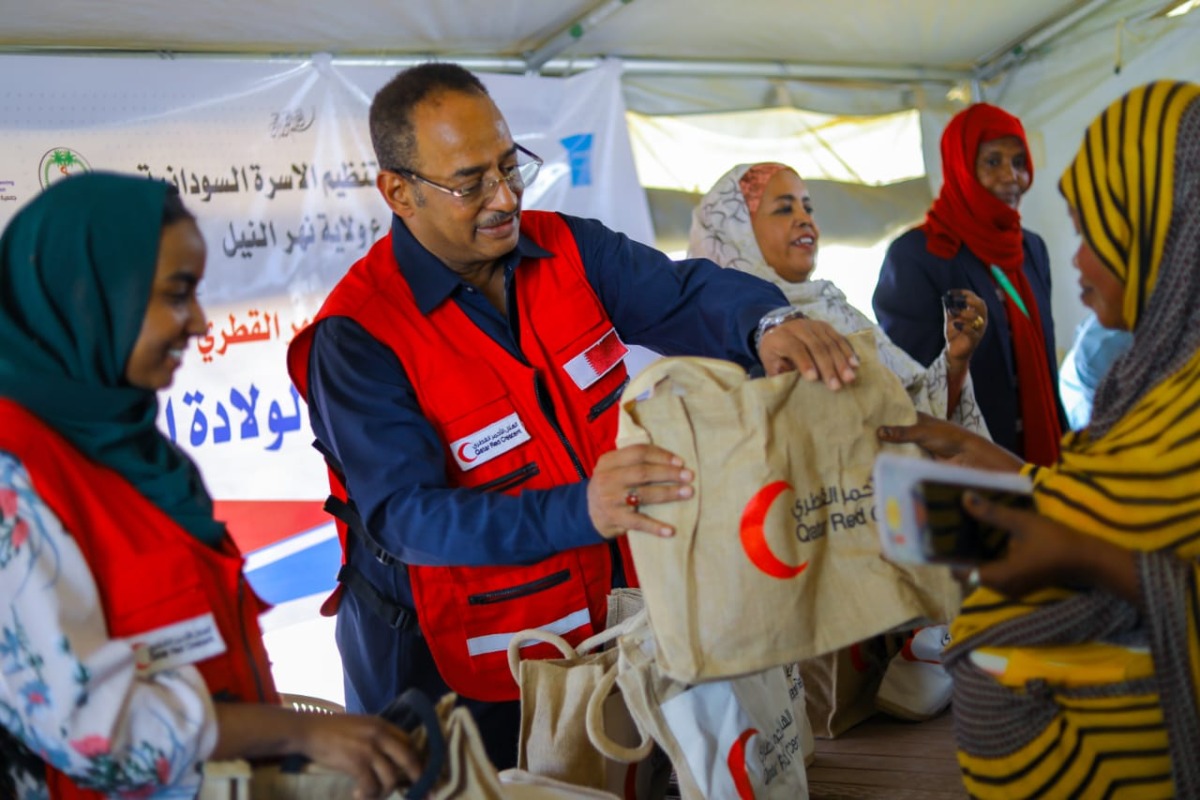

Amidst the ongoing conflict in Sudan, the Qatar Red Crescent Society (QRCS) has initiated a vital health project to support vulnerable pregnant women. The organization will distribute 4,700 safe childbirth kits to those in the River Nile and Gezira states, and to women recently displaced from Al-Fasher. This effort aims to address the escalating healthcare crisis and rising needs of women impacted by the war.
The initiative, launched in late November 2023, focuses on providing essential supplies for safe deliveries in areas struggling with severely damaged or nonexistent medical facilities. QRCS is partnering with the Sudan Family Planning Association (SFPA) to ensure aid reaches the most at-risk populations. The project will directly benefit 3,000 displaced women in River Nile state and 1,700 pregnant women in Gezira state, providing a critical lifeline during a time of immense hardship.
QRCS Response to the Sudan Humanitarian Crisis
The war in Sudan, which erupted in April 2023 between the Sudanese Armed Forces and the paramilitary Rapid Support Forces, has created one of the world’s largest displacement crises. Millions have been forced to flee their homes, straining already limited resources and overwhelming the public health system. The conflict has particularly impacted women and children, increasing their vulnerability to health risks, including complications during childbirth.
According to the United Nations, access to healthcare in conflict zones has been severely curtailed, with many hospitals and clinics forced to close due to damage, lack of supplies, or security concerns. This disruption in services has led to a significant increase in maternal and infant mortality rates. The availability of safe delivery kits, even in the absence of professional medical care, can drastically improve outcomes.
Addressing Specific Regional Needs
The QRCS project is specifically tailored to the needs of each region. River Nile state has experienced a large influx of displaced people, creating a heightened demand for maternal health services. Gezira state, while less directly impacted by fighting than other regions, still faces challenges in providing adequate care to its existing population and those seeking refuge there.
Dr. Magda Abdullah, Minister of Health for River Nile State, highlighted QRCS’s consistent support since the start of the conflict. This includes the provision of critical medicines and the rehabilitation of key medical infrastructure, such as hospitals and dialysis centers. She emphasized that this latest project is a continuation of a long-term commitment to assisting the Sudanese population.
Kawthar Mohamed Ibrahim, State Director of Family Planning, described the collaboration with QRCS as “a smart partnership”. She noted that the aid distribution is being conducted directly with beneficiaries, maximizing efficiency and ensuring those most in need receive assistance. This direct delivery method is crucial in areas with weakened governance and logistical challenges.
Focus on Vulnerability and Dignity
Dr. Salah Al-Din Daak, head of QRCS’s representation office in Sudan, explained the program’s emphasis on reaching pregnant women in remote and underserved areas. This reflects a commitment to humanitarian principles that prioritize both health and human dignity. The project also acknowledges the increased risk of gender-based violence in conflict settings and aims to address the specific needs of women facing such threats.
The safe delivery kits typically include essential items such as sterile gloves, antiseptic solution, a clean delivery surface, and postpartum materials. While not a substitute for skilled birth attendance, these supplies can significantly reduce the risk of infection and complications when deliveries occur outside of formal medical facilities. The availability of these resources can be life-saving, particularly for women who lack access to transportation or are unable to reach a functioning hospital.
Beyond providing material assistance, the project aims to raise awareness about essential maternal health practices. The SFPA will work with QRCS to deliver targeted health education sessions to pregnant women and their families, promoting safe hygiene during childbirth and postpartum care. This focus on preventative measures is considered integral to improving long-term maternal health outcomes in the region.
The QRCS plans to monitor the impact of the project closely, collecting data on the utilization of the kits and assessing any remaining gaps in maternal healthcare provision. Future phases of the initiative may include expanding the distribution of kits to additional states and providing training to community health workers. However, continued access and security remain major obstacles. The evolving security situation in Sudan will determine the feasibility of expanding the program and ensuring the ongoing delivery of vital aid.