
Kuwait is significantly strengthening its oversight of the travel sector to protect consumers from increasing fraud and ensure fair practices. This move comes alongside broader regional efforts within the Gulf Cooperation Council (GCC) to unify aviation regulations and enhance the overall quality of air travel. Recent data reveals a surge in complaints related to unlicensed agents and deceptive online practices, prompting the Public Authority for Civil Aviation (PACA) to take decisive action.
Increased Scrutiny of Kuwait’s Travel Agencies
The Kuwaiti government, through PACA, is actively clamping down on violations within the travel sector. A recent uptick in grievances – including fraudulent bookings, fake ticket sales, and the operation of unlicensed brokers – has triggered a series of penalties. On October 22nd, 2025, the complaint and arbitration committee issued sanctions against 66 travel agents for breaches of licensing rules, particularly concerning social media usage. Further action followed on November 13th, with penalties levied against eight travel agents and one aviation company for non-compliance.
Protecting Travelers’ Rights
Abdullah Al-Rajhi, Director of Air Transport at PACA and head of the committee, emphasized the authority’s commitment to a “holistic control role.” PACA maintains a comprehensive database of 890 licensed entities – 728 travel offices, 89 shipping offices, and 73 airlines – all subject to continuous monitoring. This proactive approach aims to safeguard travelers’ rights and prevent malpractice.
Between January and September 2025, PACA’s grievance department processed 3,012 complaints, many stemming from cyber scams involving fake payment links, misleading advertisements, and the activities of unlicensed brokers. To combat these online threats, PACA is collaborating closely with the Communication and Information Technology Regulatory Authority (CITRA).
Travelers are strongly advised to book exclusively through licensed agencies, meticulously verify ticket details, and avoid engaging with unofficial platforms or individuals. PACA plans to further enhance its monitoring capabilities through advanced electronic systems, strengthen cooperation with security and commercial bodies, and expand public awareness campaigns.
Addressing the Issue of Unlicensed Operators
Mohammad Al-Mutairi, Chairman of the Kuwait Travel and Tourism Agencies Association, highlighted the damaging impact of unlicensed agents on Kuwait’s travel industry reputation. Common complaints include the sale of fake tickets, sudden flight cancellations, and deceptive online promotions. However, Al-Mutairi noted a significant decline in complaints compared to the previous year, attributing this improvement to collaborative efforts between the association and government agencies. This demonstrates the positive impact of coordinated regulation and enforcement.
Towards a Unified GCC Aviation Authority
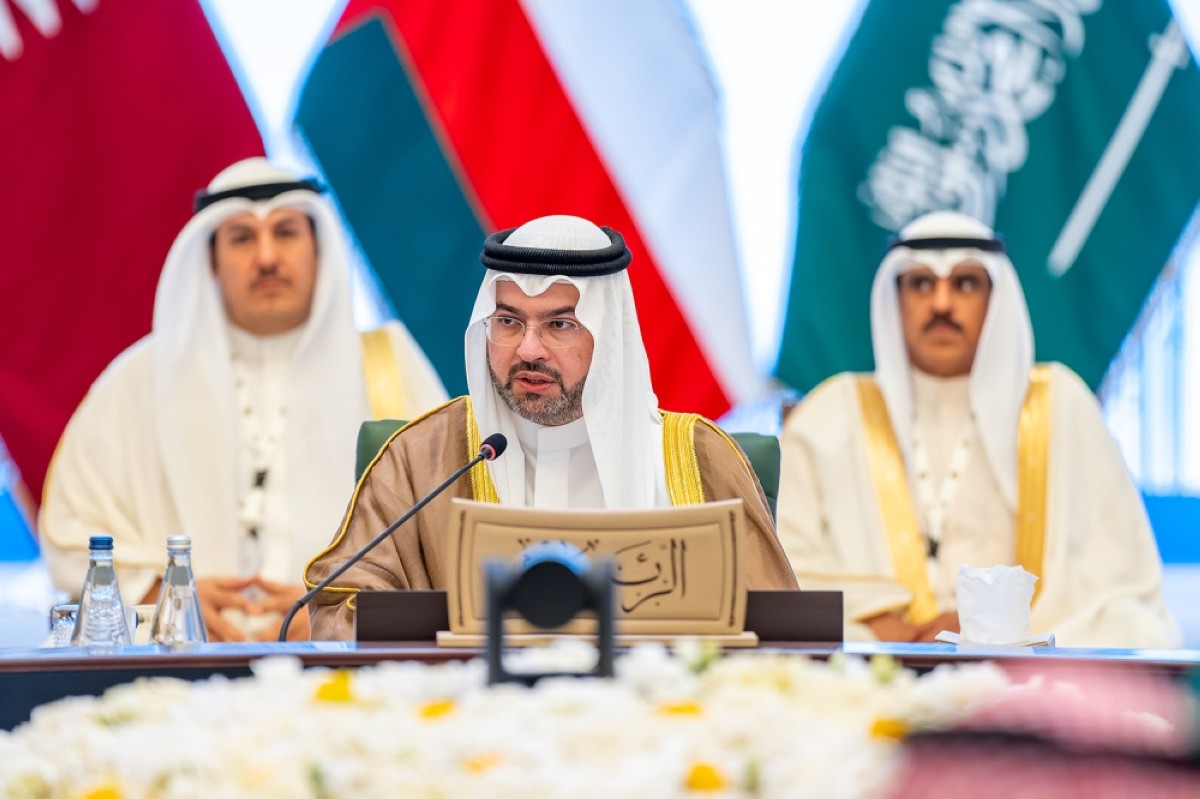
Meanwhile, the GCC is making significant strides towards greater regional integration in the aviation sector. The 21st meeting of the GCC Executive Committee for Civil Aviation, held in Kuwait, recommended the establishment of a unified GCC Civil Aviation Authority. This proposal will now be submitted to the GCC Supreme Council for final approval.
Enhancing Regional Safety and Standards
Sheikh Humoud Mubarak Al-Sabah, President of the Kuwait Civil Aviation Authority, explained that a unified authority would strengthen integration among Gulf states and elevate safety, security, and operational standards across the region’s air transport network. He also underscored the importance of aligning regulations and systems to keep pace with the rapid advancements in artificial intelligence and digital technologies, crucial for improving efficiency and the overall passenger experience.
Sheikh Humoud also celebrated the successes of Saudi Arabia, the UAE, and Qatar in securing seats on the ICAO Council for 2025-2027, and commended Oman and Bahrain for their recent achievements at the ICAO Assembly. Kuwait itself recently achieved excellent results in its ICAO security audit, exceeding regional and global averages, and was awarded the ICAO Council President’s Award for excellence in aviation security.
Growth and Future of GCC Aviation
GCC Assistant Secretary-General for Economic and Development Affairs, Khalid Al-Sanidi, pointed to the substantial growth of the region’s aviation sector. Currently, the GCC boasts over 23 international airports and 17 national carriers, six of which are ranked among the world’s top 50 airlines. In 2023, GCC airlines collectively carried approximately 68 million passengers. The meeting also addressed preparations for aviation events in 2026, cooperation with the Civil Air Navigation Services Organization (CANSO), and other initiatives aimed at strengthening regional integration and global representation within the airline industry.
In conclusion, Kuwait’s intensified oversight of the travel sector, coupled with the GCC’s move towards a unified aviation authority, signals a commitment to protecting consumers, enhancing safety, and fostering greater regional cooperation. These developments are vital for maintaining the integrity of the travel industry and ensuring a positive experience for passengers. Travelers are encouraged to remain vigilant and utilize licensed travel agencies to avoid potential scams and ensure a smooth journey. For more information on licensed travel agencies in Kuwait, please visit the PACA website.