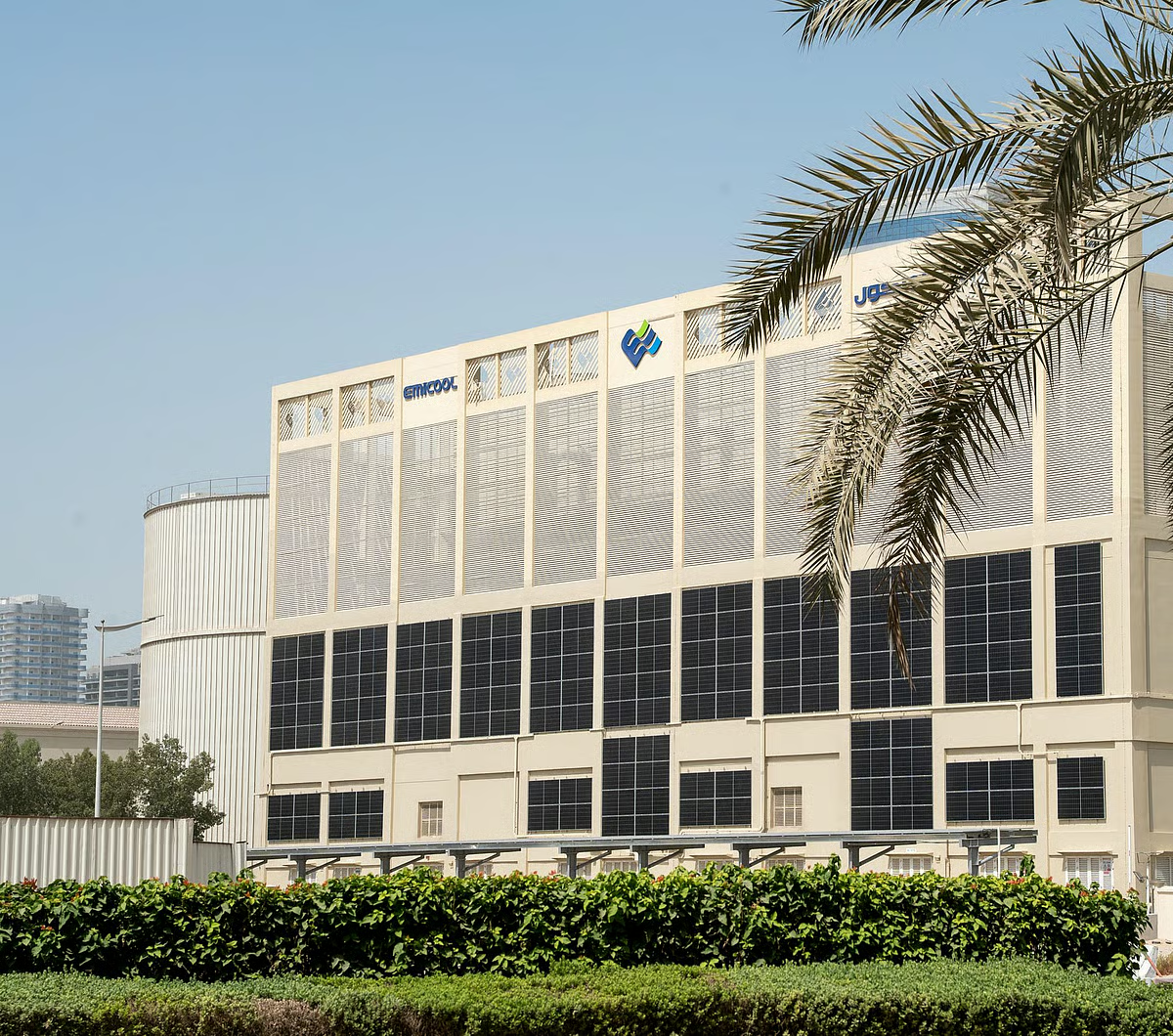

Emicool, a district cooling provider, and Yellow Door Energy, a regional solar energy platform, have initiated the deployment of multiple rooftop solar projects across Dubai, United Arab Emirates. The companies announced the rollout this week, with installations already underway at several Emicool plants. These projects aim to increase the use of renewable energy within Dubai’s cooling infrastructure and contribute to the emirate’s sustainability goals.
The initial phase focuses on installing photovoltaic (PV) systems on the rooftops of Emicool’s district cooling facilities. These installations will generate clean energy to offset a portion of the electricity consumption of the cooling plants, reducing their carbon footprint. The partnership represents a significant step in integrating renewable energy sources into the traditionally energy-intensive cooling sector.
Expanding Dubai’s Renewable Energy Capacity with Solar Projects
Dubai has set ambitious targets for clean energy adoption, aiming to generate 100% of its electricity capacity from renewable sources by 2050, as outlined in the Dubai Clean Energy Strategy 2050. District cooling systems, while more efficient than traditional air conditioning, still represent a substantial energy demand. Integrating solar projects into these systems is therefore crucial for achieving the emirate’s long-term sustainability objectives.
According to the Dubai Electricity and Water Authority (DEWA), the emirate’s installed solar capacity reached approximately 1,450 megawatts (MW) by the end of 2023. This figure includes large-scale projects like the Mohammed bin Rashid Al Maktoum Solar Park, as well as distributed generation initiatives such as rooftop solar installations. The Emicool-Yellow Door partnership contributes to the growth of this distributed generation capacity.
The Role of District Cooling in Energy Efficiency
District cooling plants centralize the production of chilled water, which is then piped to multiple buildings for air conditioning. This centralized approach is generally more energy-efficient than individual cooling units, reducing overall electricity consumption. However, the plants themselves require significant power to operate, making them prime candidates for renewable energy integration.
Emicool currently operates a network of district cooling plants serving a diverse range of developments across Dubai, including residential communities, commercial buildings, and hotels. The company has been actively pursuing energy efficiency measures and exploring opportunities to incorporate renewable energy into its operations. This collaboration with Yellow Door Energy is a key component of that strategy.
How the Partnership Works
Yellow Door Energy will be responsible for the design, procurement, construction, financing, and operation of the rooftop solar projects. This includes securing necessary permits and approvals from DEWA and ensuring the systems meet all relevant safety and performance standards. Emicool will purchase the power generated by the solar installations through a long-term Power Purchase Agreement (PPA).
The PPA model allows Emicool to benefit from clean energy without the upfront capital investment associated with owning and operating a solar plant. This approach is becoming increasingly popular in the region, enabling businesses to reduce their energy costs and environmental impact. Additionally, it fosters the growth of the renewable energy sector by providing a stable revenue stream for developers like Yellow Door Energy.
The initial phase of the rollout involves several Emicool plants, with plans for further expansion based on the success of these projects. The specific capacity of each installation will vary depending on the available rooftop space and the energy needs of the plant. The companies have not disclosed the total investment value or the combined capacity of the initial projects.
The use of renewable energy sources, like solar, is gaining traction in the UAE’s cooling industry. Other companies are also exploring similar initiatives, driven by both economic and environmental considerations. The increasing affordability of solar technology and the growing demand for sustainable solutions are key factors contributing to this trend.
Meanwhile, the partnership aligns with broader efforts to promote energy transition and decarbonization within the UAE. The country is actively investing in a diverse range of renewable energy technologies, including solar, wind, and hydrogen, to reduce its reliance on fossil fuels. This commitment is reflected in its hosting of the COP28 climate conference in late 2023.
In contrast to traditional energy infrastructure, rooftop solar offers a relatively quick and scalable solution for increasing renewable energy capacity. The installations can be completed within a matter of months, and the modular nature of solar technology allows for easy expansion as energy demands grow. This agility is particularly valuable in a rapidly developing city like Dubai.
The implementation of these solar projects also supports the UAE’s broader vision for a circular economy, where resources are used more efficiently and waste is minimized. By generating clean energy on-site, Emicool can reduce its transmission losses and improve the overall sustainability of its operations.
Further demonstrating a commitment to sustainability, Emicool has previously implemented measures to optimize the performance of its district cooling systems and reduce water consumption. These efforts include utilizing advanced control algorithms and deploying innovative cooling technologies, enhancing their overall energy efficiency.
Looking ahead, the companies will continue to assess opportunities to expand the solar projects to additional Emicool facilities. The success of this initial phase will likely influence future investments in renewable energy within the district cooling sector. The regulatory landscape and DEWA’s policies regarding net metering and distributed generation will also be crucial factors to watch as the sector evolves.
The next step involves finalizing the commissioning of the initial installations and monitoring their performance to ensure they meet the expected energy generation targets. The long-term impact of these projects on Emicool’s energy costs and carbon emissions will be evaluated over time, providing valuable insights for future renewable energy initiatives.