





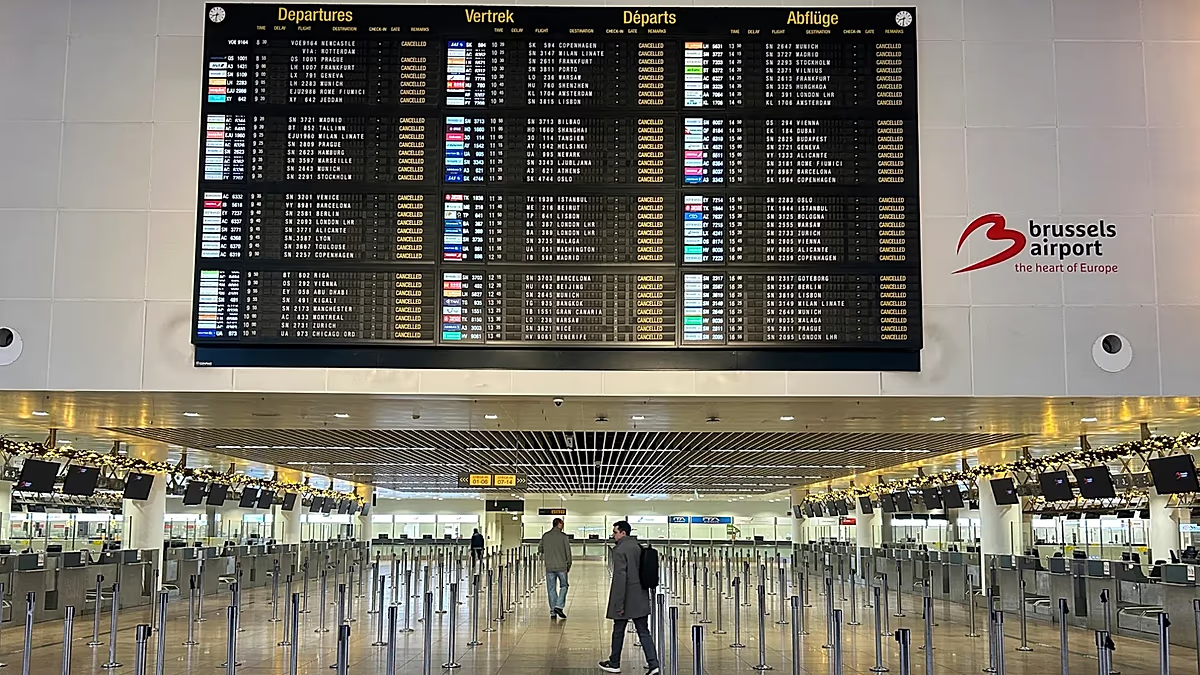

European Union efforts to update air passenger rights are facing significant roadblocks, leaving potential new protections in legislative limbo for over a decade. Consumer protection groups, the airline industry, and EU member states remain deeply divided on key proposals, leading to a standstill in negotiations. The core of the dispute centers around the level of compensation owed to passengers for flight disruptions, threatening to delay meaningful change for travelers across Europe.
Dissatisfaction with the current draft text has escalated to the point where airline representatives are calling for a pause in discussions. A letter sent Tuesday to EU transport ministers, on behalf of the European airline industry, requests a six-month halt to allow for a comprehensive impact assessment of the proposed measures. This request highlights the industry’s concerns about the potential financial burden of increased passenger protections.
Stalled Progress on New Air Passenger Rights
The proposed revisions to EU air passenger rights aim to modernize regulations that have been in place since 2009. Currently, passengers are entitled to compensation ranging from €250 to €600 for flights cancelled or delayed by more than three hours. The new proposals seek to adjust these amounts and potentially alter the delay thresholds.
Airlines are advocating for a higher delay compensation threshold of five hours, arguing that the current three-hour rule is unsustainable. However, consumer groups contend that raising the threshold would significantly reduce the number of passengers eligible for compensation. Steven Berger, senior legal officer at the European Consumer Organisation (BEUC), stated that a four-hour threshold would deny compensation to approximately 60% of passengers experiencing delays.
According to estimates from Airlines for Europe, the European Regions Airline Association, and the International Air Transport Association, the current draft could increase the sector’s annual costs by at least 40%. They warn that these increased costs would likely be passed on to consumers through higher fares and could lead to the cancellation of some routes deemed economically unviable.
Key Points of Contention
Beyond delay compensation, other sticking points include the inclusion of carry-on baggage in the basic ticket price. Consumer groups, like BEUC, are also pushing for a complete ban on “no-show” clauses, which can invalidate connecting flights if the first flight is delayed. They believe these changes would improve enforcement and reduce reliance on claims agencies.
Currently, only around one-third of eligible passengers actually receive the compensation they are entitled to. Streamlining the claims process with pre-filled refund and compensation forms is another key demand from consumer advocates. This would aim to simplify the process and ensure more passengers benefit from existing regulations.
For the new protections to become law, they require the approval of the European Parliament, the Council (representing member states), and the European Commission. While the Parliament generally aligns with consumer groups’ demands, securing a qualified majority within the Council has proven challenging due to differing national interests and economic concerns. The European Parliament provides further details on current air passenger rights.
Denmark, holding the rotating presidency of the Council, has urged member states to adopt a “pragmatic” approach to avoid derailing the negotiations. However, an EU diplomat speaking to Euronews indicated that Monday’s resumption of inter-institutional talks is expected to be “difficult,” with strong opposition from all parties involved.
The negotiations have reached a point where finding common ground is proving elusive. The diplomat suggested that the discussions are no longer focused on compromise between the Parliament and the Council, but rather on overcoming fundamental disagreements.
Travelers should continue to monitor developments regarding these proposed international travel regulations. The outcome of these negotiations will significantly impact their rights and potential compensation in the event of flight disruptions. The next few weeks will be crucial in determining whether a modernized framework for air passenger rights can finally be established in the EU.