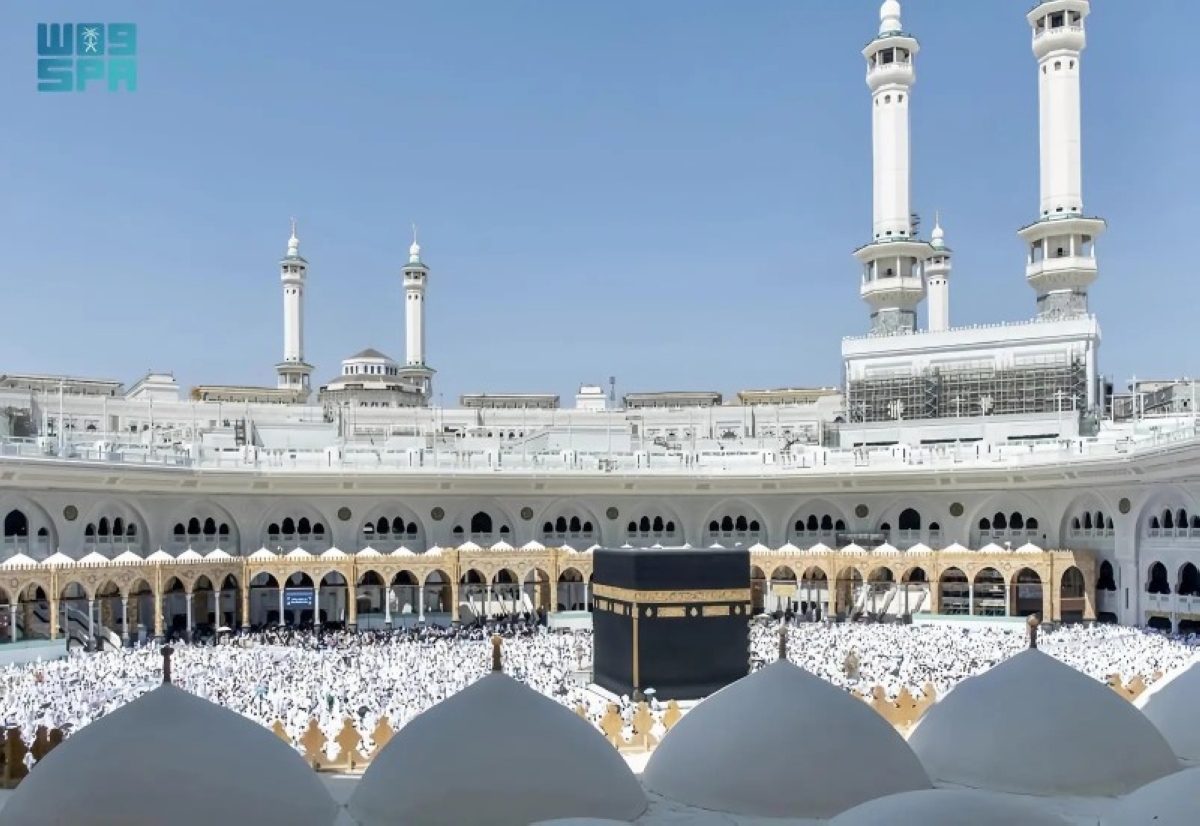

Makkah and Madinah experienced a significant surge in visitors during the Islamic month of Jumada Al-Awwal, with over 66.6 million people visiting the Two Holy Mosques. This substantial increase in Umrah pilgrims and worshippers reflects a continuing trend of growing religious tourism to Saudi Arabia. The General Authority for the Care of the Two Holy Mosques reported the figures on Wednesday, highlighting the logistical efforts required to accommodate the influx.
The data reveals a total of 66,633,153 visitors across both sites, marking a 12.1 million person increase compared to the previous month. Approximately 26 million worshippers visited the Grand Mosque in Makkah, while over 23 million were recorded at the Prophet’s Mosque in Madinah. This surge places increased focus on infrastructure and crowd management strategies.
Record Numbers for Umrah Pilgrims and Worshippers
The increase in visitors is attributed to several factors, including easing of travel restrictions following the COVID-19 pandemic and ongoing initiatives by the Saudi government to facilitate religious travel. Saudi Arabia has invested heavily in expanding the capacity of both mosques and improving transportation networks to accommodate growing numbers of worshippers. Additionally, the country has streamlined the visa application process for religious tourism.
Makkah Visitation Details
The Grand Mosque in Makkah saw 25,987,679 worshippers during Jumada Al-Awwal, with a notable 100,489 individuals praying within the Hijr Ismail, the sacred enclosure adjacent to the Kaaba. The report indicates that 13,972,780 of the visitors to Makkah were specifically undertaking the Umrah pilgrimage. This represents a significant portion of the overall visitor count and underscores the city’s central role in Islamic worship.
Madinah’s Holy Site Experiences Growth
Meanwhile, the Prophet’s Mosque in Madinah welcomed 23,296,185 worshippers. A significant number, 912,695, prayed within the Rawdah Al-Sharifah, a highly revered area within the mosque believed to be one of the gardens of Paradise. Furthermore, 2,363,325 people paid their respects at the Prophet Muhammad’s tomb and those of his companions, Abu Bakr and Umar.
The Saudi government has been actively working to diversify its economy beyond oil, and religious tourism is a key component of this strategy. The Vision 2030 plan includes ambitious goals for increasing the number of Umrah pilgrims and enhancing the overall visitor experience. This includes investments in hospitality, transportation, and cultural attractions.
To effectively manage the large crowds, the General Authority for the Care of the Two Holy Mosques employs advanced technology. According to the authority, sensors are strategically placed at the main entrances of both mosques to monitor visitor flow in real-time. This data-driven approach allows authorities to optimize crowd control measures and ensure the safety and comfort of worshippers. This system also facilitates collaboration with other relevant agencies involved in managing the pilgrimage.
The increasing number of visitors also presents challenges related to infrastructure and resource management. Maintaining the cleanliness and sanctity of the holy sites, providing adequate accommodation and transportation, and ensuring the safety and security of pilgrims are ongoing priorities. The Saudi government is continually evaluating and improving its strategies to address these challenges.
The recent surge in visitors also impacts the broader Saudi economy. The influx of pilgrims generates revenue for local businesses, creates employment opportunities, and stimulates economic growth in the Makkah and Madinah regions. The Ministry of Tourism is actively promoting Saudi Arabia as a premier destination for Islamic travel, aiming to attract even more visitors in the coming years.
Looking ahead, the General Authority for the Care of the Two Holy Mosques will continue to monitor visitor numbers and refine its crowd management strategies. The next major period of increased visitation is expected during the upcoming month of Rajab and the approaching Ramadan season. Authorities are preparing for potentially even larger crowds and are focused on ensuring a smooth and safe experience for all pilgrims. Further data releases are anticipated following the conclusion of these periods, providing a clearer picture of the evolving trends in religious tourism to Saudi Arabia.