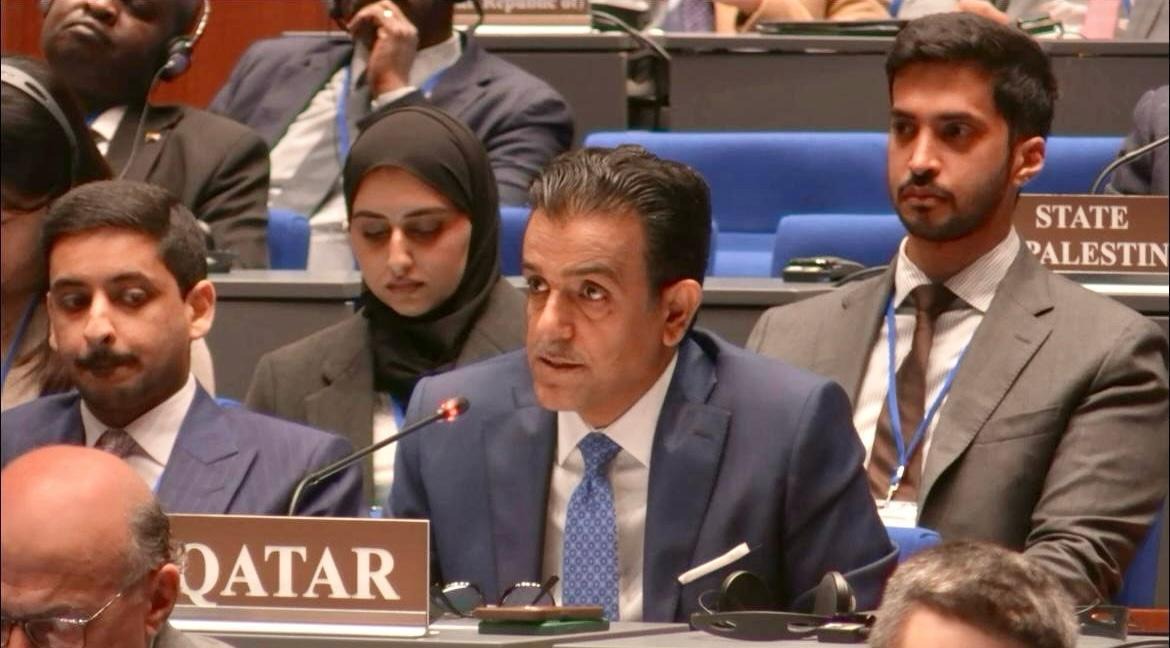

The State of Qatar participated in the 30th Session of the Conference of the States Parties to the Chemical Weapons Convention (CSP-30) held in The Hague, reaffirming its commitment to the global effort to eliminate these dangerous substances. Qatar’s delegation, led by Ambassador Mutlaq bin Majed Al Qahtani, used the forum to address ongoing concerns regarding chemical weapon use and proliferation, particularly in Syria and the Gaza Strip, and to advocate for peaceful resolutions to international conflicts. The conference, which concluded recently, brought together representatives from nations party to the treaty.
Ambassador Al Qahtani addressed the assembly, highlighting Qatar’s diplomatic role in recent international developments and expressing concern over escalating humanitarian crises. The session provided a platform for Qatar to voice its stance on critical issues related to disarmament and international security, and to collaborate with other nations on strengthening the Chemical Weapons Convention.
Qatar Supports OPCW Decision on Syria Chemical Weapons
Qatar welcomed the adoption of Decision EC‑110/DEC.1 by the Organization for the Prohibition of Chemical Weapons (OPCW) Executive Council, which calls for the expedited on-site destruction of any remaining chemical weapons remnants in Syria. According to Ambassador Al Qahtani, this decision was the result of extensive diplomatic efforts by Qatar with both allies and other key international actors.
This progress represents a crucial step in verifying the complete elimination of Syria’s declared chemical weapons stockpile, a process that has faced numerous challenges and delays. The OPCW has been investigating allegations of chemical weapon use in Syria since 2014, and this decision aims to finalize the destruction of any remaining chemicals. The move bolsters confidence in the OPCW’s ability to respond to evolving international situations.
Diplomatic Efforts and Regional Stability
Qatar emphasized the importance of multilateral action, constructive dialogue, and mediation in achieving lasting peace and security. The country’s involvement in brokering the recent ceasefire between Israel and Hamas, alongside the United States and Egypt, was cited as an example of its commitment to diplomatic solutions. However, Qatar expressed apprehension regarding the current deterioration of the humanitarian situation in Gaza following the breakdown of that ceasefire.
The ambassador voiced Qatar’s strong condemnation of Israeli actions in Gaza, including allegations of the use of prohibited chemical weapons. Qatar has pledged its support for a Palestinian investigation into these claims, signaling a willingness to pursue accountability for potential violations of international law. This stance reflects Qatar’s broader advocacy for Palestinian rights and a just resolution to the Israeli-Palestinian conflict.
Concerns Over Ukraine and Global Security
Beyond the Middle East, Qatar also expressed deep concern over the ongoing war in Ukraine and its far-reaching security and humanitarian consequences. The conflict has raised fears of potential escalation and the use of prohibited weapons, prompting calls for a peaceful settlement based on international law. Qatar stressed the need to prevent the use or threat of chemical weapons under any circumstances.
The situation in Ukraine underscores the fragility of the global security architecture and the importance of upholding the principles of the Chemical Weapons Convention. The international community faces the challenge of de-escalating tensions and finding a diplomatic path forward to prevent further suffering and instability. Relatedly, the ongoing conflict has highlighted the importance of OPCW verification mechanisms.
Qatar’s participation in CSP-30 demonstrates its continued dedication to the global effort against chemical weapons and its proactive role in addressing international security challenges. The country’s emphasis on diplomacy and multilateralism positions it as a key player in fostering a more peaceful and secure world. The issue of chemical disarmament remains a critical priority for the international community.
Looking ahead, the OPCW will continue to monitor the implementation of Decision EC‑110/DEC.1 in Syria and address ongoing concerns regarding chemical weapon use and proliferation worldwide. The next session of the CSP is scheduled for 2025, where further progress and challenges will be assessed. The evolving geopolitical landscape and the potential for new threats will require sustained international cooperation and vigilance to ensure the effective implementation of the Chemical Weapons Convention.
Additionally, the investigation into alleged chemical weapon use in Gaza will likely be a focal point of future discussions within the OPCW and the broader international community.