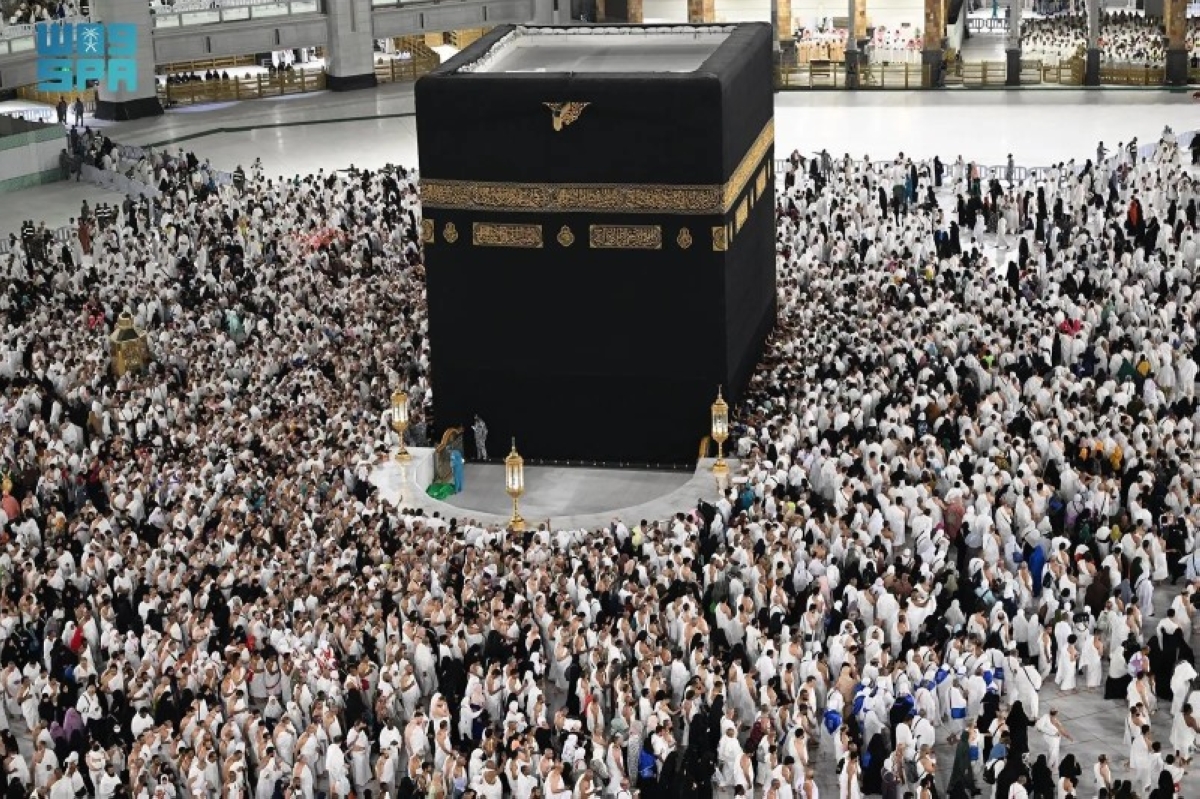

JEDDAH — A significant surge in religious tourism has been reported, with over 13.9 million Umrah rituals performed during the Islamic month of Jumada Al-Awwal, corresponding to December 2023 and January 2024. The Ministry of Hajj and Umrah confirmed this increase, attributing it to improved accessibility and logistical support for pilgrims traveling to Mecca and Medina. This reflects the Kingdom of Saudi Arabia’s continued investment in facilitating religious journeys for Muslims globally.
The majority of those performing Umrah were residents of Saudi Arabia, while over 1.7 million pilgrims arrived from international destinations, according to the ministry. This latest count represents a substantial rise compared to previous years, signaling a growing demand for religious travel to Saudi Arabia. Collaborative efforts with the General Authority for the Care of the Affairs of the Grand Mosque and the Prophet’s Mosque were crucial in supporting this influx.
Record Umrah Numbers Signal Growing Religious Tourism
The recent performance of Umrah rituals highlights the Kingdom’s success in easing restrictions and implementing modern systems for managing the pilgrimage. Over the past several years, Saudi Arabia has undertaken ambitious initiatives to broaden access to the holy sites. These changes followed disruptions caused by the COVID-19 pandemic which significantly impacted both Hajj and Umrah operations.
Easing of Restrictions and Visa Processes
One key factor driving this growth is the simplification of visa procedures. The introduction of electronic visas and the expansion of Umrah visa options have streamlined the application process for many potential pilgrims. The Saudi government has also partnered with various travel agencies internationally to create accessible package deals.
Technological Enhancements in Pilgrimage Management
The Ministry of Hajj and Umrah has heavily invested in digital infrastructure to improve the pilgrim experience. This includes mobile applications providing real-time information, streamlined registration processes, and access to guidance on rituals. These technological advancements aim to reduce overcrowding and improve overall safety.
The increase in pilgrims strained logistical capabilities, testing infrastructure improvements. The ministry reported the collaboration with the General Authority for the Care of the Affairs of the Grand Mosque and the Prophet’s Mosque helped mitigate these challenges, ensuring a smoother flow of visitors through the holy mosques. This coordination involved managing crowds, providing transportation, and offering healthcare support.
This surge in religious tourism has positive implications for the Saudi economy. Increased spending by pilgrims benefits various sectors, including hospitality, transportation, and retail. Saudi Arabia’s Vision 2030 plan specifically identifies tourism, including religious tourism, as a key diversifying force away from its dependence on oil revenue. The expanding accommodation options and increased service quality, are integral to this economic strategy.
The broader context of religious travel includes rising global Muslim populations and increased disposable income in many Muslim-majority countries. This, combined with the Kingdom’s proactive approach to facilitating access, contributes to the growing numbers of individuals seeking to perform Umrah. Furthermore, the increased stability and improvements in travel infrastructure across the Middle East have made the journey easier for many.
However, the significant increase also raises ongoing concerns about capacity and sustainability. Managing such large numbers of people requires careful planning and constant reassessment of infrastructure and services. Environmental issues related to waste management and resource consumption during peak seasons are also likely to be a focus.
The Saudi government has consistently emphasized its commitment to providing a safe, comfortable, and spiritually enriching experience for all pilgrims. Ongoing investments in infrastructure upgrades, particularly at the Grand Mosque and Prophet’s Mosque, demonstrate this dedication. This includes expansion projects, improved security measures, and enhanced accessibility for people with disabilities.
Looking ahead, the Ministry of Hajj and Umrah is expected to release further data regarding the volume and demographics of pilgrims throughout the remainder of the Islamic year. Officials will likely evaluate the effectiveness of the implemented logistical improvements in preparation for the Hajj season. Future strategies may include further refining visa protocols, expanding digital services, and addressing environmental concerns.
The Kingdom’s ultimate goal is to accommodate 30 million Umrah pilgrims annually by 2030, as outlined in Vision 2030. Achieving this target will require continuous investment and innovation in infrastructure, technology, and service delivery. The trajectory of these numbers will be closely watched by the travel and tourism industry, as well as by religious authorities worldwide. The continued success of this pilgrimage relies on maintaining a balance between accessibility, sustainability and the spiritual significance of the journey amid increasing religious tourism and spiritual journeys.