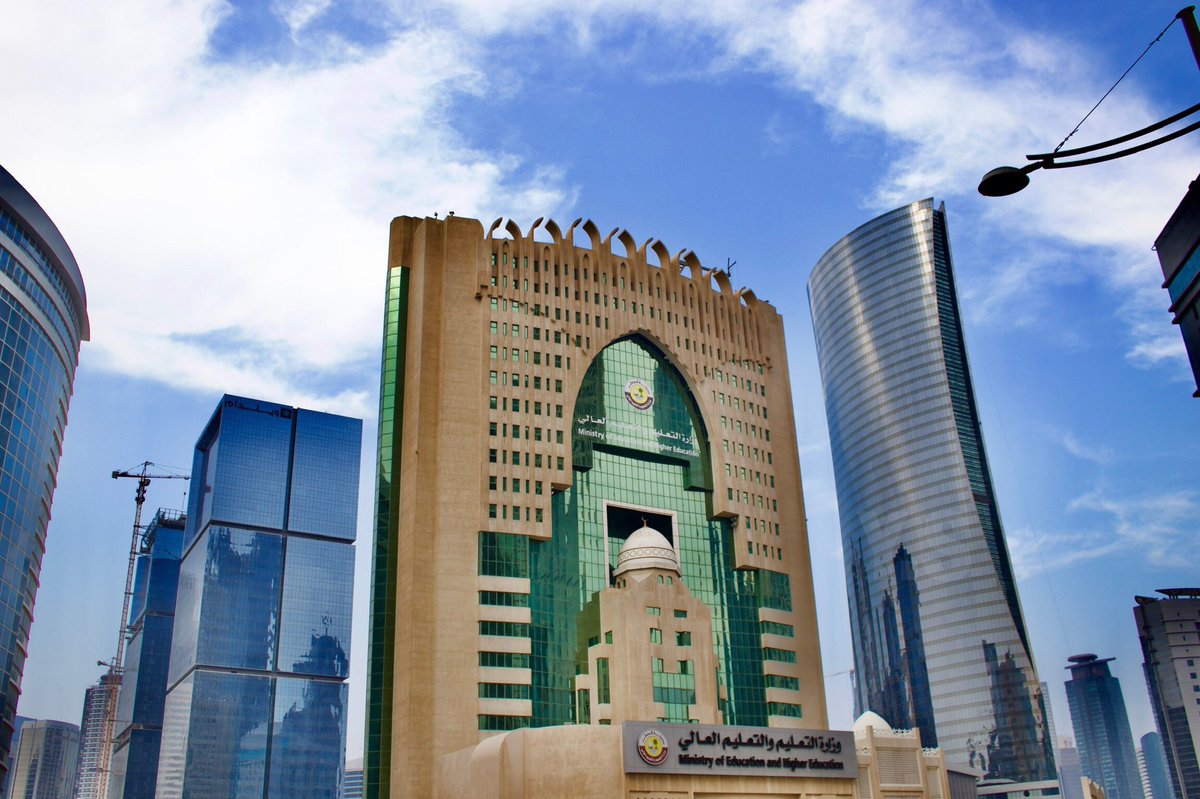

The Ministry of Education and Higher Education in Qatar has announced new regulations for public school examinations starting with the 2025-2026 academic year. The circular, issued through the Educational Affairs sector, aims to streamline operations during exam periods and create a more conducive environment for students. These changes, effective for both semesters, focus on student well-being and administrative flexibility, according to a ministry statement released this week.
The regulations apply to all public schools within Qatar and will be implemented beginning with the first semester exams of the 2025-2026 school year. The ministry’s decision comes as part of ongoing efforts to improve the overall educational experience and ensure high standards in assessment procedures. The new guidelines address student movement, grading timelines, and staff work schedules during these critical periods.
Streamlining Public School Examinations for Enhanced Student Experience
A key component of the new circular allows students to depart school premises immediately after completing their examinations. This measure is intended to reduce congestion within school buildings and facilitate smoother movement of students, particularly during peak exam times. According to the ministry, this change prioritizes a less stressful environment for students.
Focus on Assessment Quality
The ministry emphasized the importance of maintaining rigorous quality control throughout the assessment process. Schools are required to adhere to specified timelines for grading, recording marks, and issuing certificates. This includes thorough correction and review procedures to ensure accuracy and fairness. The goal is to uphold the integrity of academic evaluations.
Additionally, the circular addresses the workload and schedules of teaching and administrative staff during exam periods. School employees are permitted to leave work up to two hours early, provided certain conditions are met. These conditions include ensuring the early departure doesn’t conflict with existing flexible work arrangements, such as breastfeeding hours, and that the total combined early departures and authorized absences do not exceed two hours daily. This aims to support staff well-being without disrupting school operations.
However, the ministry clarified that these early departures are not intended to reduce overall work hours but rather to provide flexibility during a particularly demanding time. The focus remains on efficient completion of exam-related tasks while maintaining a supportive educational environment. This adjustment to school schedules is designed to improve morale and productivity.
The move aligns with Qatar’s broader national vision for education, which prioritizes student success and a high-quality learning experience. The Ministry of Education and Higher Education has been actively implementing reforms to enhance the educational system, including investments in teacher training and curriculum development. These changes to exam procedures are a continuation of this effort.
Meanwhile, stakeholders are observing how these changes will impact the logistical aspects of exam administration. Schools will need to adjust their internal processes to accommodate the new regulations, particularly regarding student dismissal procedures and staff scheduling. The effectiveness of these measures will likely be evaluated based on feedback from students, teachers, and administrators.
Looking ahead, the ministry has not indicated any further immediate changes to the examination system. Schools are expected to fully implement the new circular by the start of the 2025-2026 academic year. The ministry will likely monitor the implementation process and gather data on its impact before considering any further adjustments to educational policies. It remains to be seen how these changes will affect overall student performance and the efficiency of the examination process in the long term.
The next step for schools is to disseminate this information to staff, students, and parents, and to develop internal procedures to ensure smooth implementation. The ministry has not set a specific deadline for schools to finalize these preparations, but timely communication and planning will be crucial for a successful transition. The Ministry of Education and Higher Education website provides further details on Qatar’s education system.