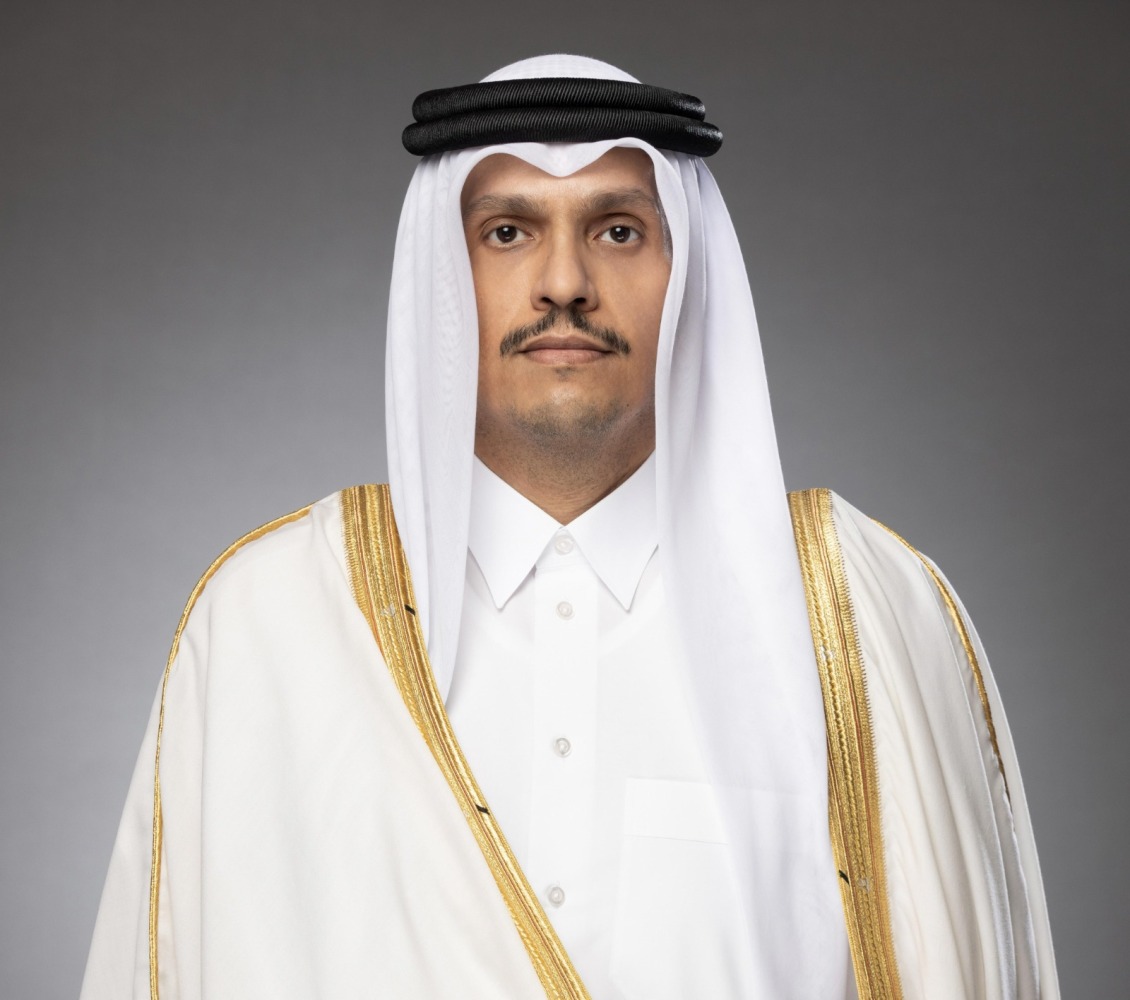

Doha, Qatar – The Qatari Cabinet, chaired by Prime Minister Sheikh Mohammed bin Abdulrahman bin Jassim Al-Thani, convened on Wednesday to address a range of domestic and international issues, including new regulations for e-commerce and agreements to bolster diplomatic and economic ties. The meeting, held at the Amiri Diwan, highlighted the nation’s growing role on the global stage and its commitment to diversifying its economy. Discussions also covered recent high-level visits and reviewed reports from key government departments.
Minister of Justice and Minister of State for Cabinet Affairs Ibrahim bin Ali Al Mohannadi detailed the outcomes of the session, emphasizing the Cabinet’s support for Qatar’s diplomatic initiatives and its focus on creating a favorable business environment. The decisions made are expected to impact both Qatari businesses and international relations in the coming months.
Qatar Advances Digital Economy with New E-commerce Regulations
A key decision from the Cabinet meeting was the approval of a draft decision by the Minister of Trade and Industry concerning the conditions and controls for conducting commercial activities through websites. This move establishes a legal framework for e-commerce operations that do not require a physical storefront. According to the ministry, the purpose is to cultivate an attractive environment for investors and entrepreneurs while safeguarding the rights of both consumers and businesses engaged in online trade.
Expanding International Collaborations
The Cabinet also approved several draft Memoranda of Understanding (MoUs) designed to enhance cooperation with other nations. This includes an agreement with Paraguay centered on mutual cooperation in diplomatic training, aiming to develop the skills and expertise of Qatari diplomats. Additionally, a pact was approved with Uruguay to promote collaboration in agriculture and food security, an area of increasing importance for Qatar as it seeks to diversify its food sources.
Furthermore, the Cabinet endorsed a cooperation program with Iraq spanning the years 2026-2030, focusing on collaboration within the justice sector. These international agreements underscore Qatar’s proactive approach to building stronger relationships with countries across the globe and fostering trade relations.
The Amir’s recent participation in the G20 Summit in Johannesburg, South Africa, was also lauded by the Cabinet. The summit, themed “Solidarity, Equality, Sustainability,” provided a platform for Qatar to demonstrate its commitment to global issues and its role in conflict resolution. The Cabinet stated that His Highness’s presence reflects Qatar’s respected position internationally, particularly regarding its diplomatic efforts.
Similarly, the outcomes of the Amir’s official visits to Rwanda and the Democratic Republic of Congo (DRC) were positively received. The discussions held with the presidents of both nations and the signing of various agreements signify the deepening ties between Qatar and these African countries. Analysts suggest these visits also represent a move towards strengthening South-South cooperation and exploring new avenues for foreign investment.
The Cabinet also considered and reviewed several reports detailing the work of various government departments. This included the third annual report on the activities of the Civil Defense Department for 2024, providing an overview of emergency preparedness and response. Reports were also presented on the Qatar Development Bank’s performance and the outcomes of Qatar’s participation in financial and economic committees with Switzerland and cybersecurity discussions with Arab nations. The ministry indicated it is utilizing the insights from these reports to refine ongoing strategies.
Looking ahead, the draft decision regarding e-commerce will now proceed through the necessary legal processes before being implemented. It remains to be seen how sharply these new rules will affect the startup scene and online consumer activity within the country. The implementation timelines for the MoUs with Paraguay, Uruguay, and Iraq will depend on subsequent ratification procedures and the establishment of joint working groups.