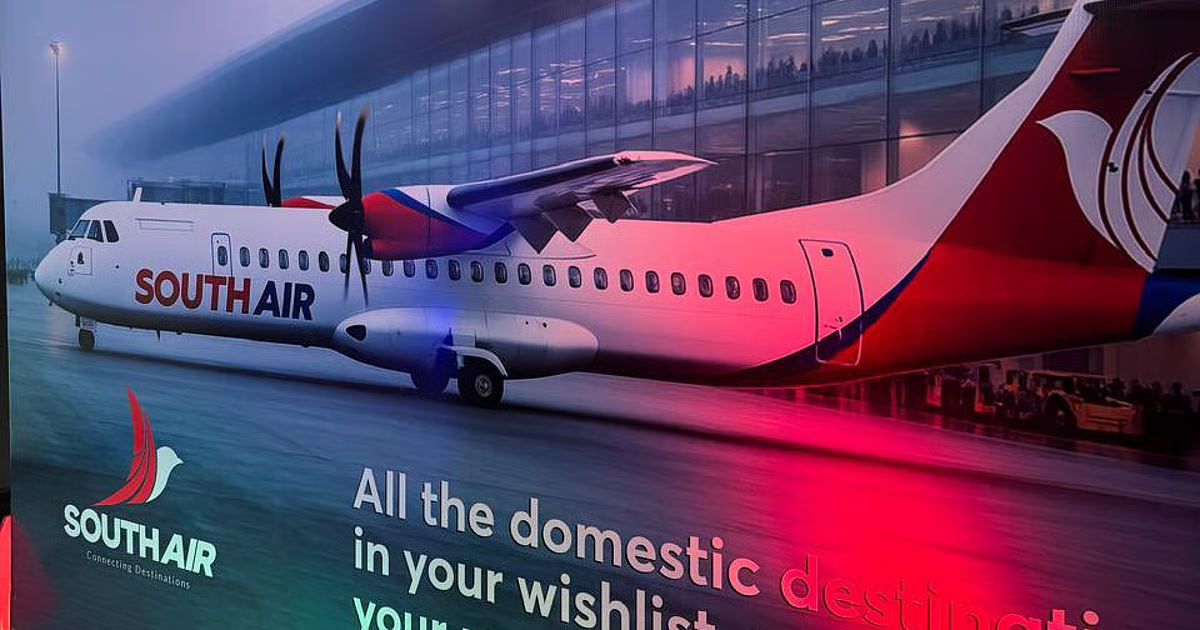

Pakistan’s aviation sector has a new player, Fly Jinnah, a low-cost carrier launched on October 23, 2023, aiming to connect underserved regional cities within the country. The airline, a joint venture between the Lakson Group and Air Arabia, commenced operations with flights from Karachi and Islamabad. Fly Jinnah intends to address a gap in domestic air travel, particularly for passengers seeking affordable options to locations currently lacking frequent or direct service. This new airline represents a significant development in Pakistan’s efforts to expand its air travel infrastructure.
The inaugural flight, PA701, departed from Karachi’s Jinnah International Airport for Islamabad International Airport. Fly Jinnah plans to expand its network to include cities like Lahore, Peshawar, Quetta, and Sialkot in the coming months. The launch comes as Pakistan’s aviation industry navigates a period of recovery following disruptions caused by economic challenges and the COVID-19 pandemic. The airline’s business model focuses on point-to-point routes and streamlined operations to keep fares competitive.
Expanding Connectivity with the New Airline
The primary goal of Fly Jinnah is to increase air travel accessibility within Pakistan. Currently, a significant portion of the population relies on road and rail transport for intercity travel, often facing lengthy and uncomfortable journeys. According to the Ministry of Aviation, domestic air travel penetration remains relatively low compared to regional peers. Fly Jinnah hopes to change this by offering lower fares and convenient flight schedules.
Targeting Underserved Markets
The airline’s strategy centers on identifying and serving cities with limited air connectivity. Many smaller cities in Pakistan are currently reliant on connecting flights through major hubs, adding to travel time and cost. Fly Jinnah intends to establish direct routes to these locations, stimulating economic activity and tourism. This approach differs from the strategies of Pakistan International Airlines (PIA) and other existing carriers, which often prioritize international routes and major domestic destinations.
The Lakson Group, a prominent Pakistani conglomerate with interests in textiles, media, and real estate, brings local market expertise to the venture. Air Arabia, a leading low-cost carrier in the Middle East and North Africa, provides operational know-how and a fleet of Airbus A320 aircraft. This partnership combines financial strength with aviation experience, positioning Fly Jinnah for sustainable growth. The initial fleet consists of two Airbus A320 aircraft, with plans for further expansion based on demand.
However, the Pakistani aviation sector faces ongoing challenges. PIA, the national flag carrier, is undergoing restructuring amid financial difficulties. Additionally, fluctuating fuel prices and currency devaluation can significantly impact airline profitability. Fly Jinnah will need to navigate these hurdles to achieve its objectives. The Civil Aviation Authority of Pakistan (CAA) is closely monitoring the airline’s performance and adherence to safety regulations.
Meanwhile, the launch of Fly Jinnah is expected to intensify competition in the domestic market. Airblue and SereneAir are existing private airlines operating within Pakistan. Increased competition could lead to lower fares and improved service quality for passengers. The Ministry of Aviation anticipates that the new airline will contribute to a more dynamic and efficient aviation ecosystem.
In contrast to some other low-cost carriers, Fly Jinnah is focusing heavily on a direct-to-consumer sales model, utilizing its website and mobile app for bookings. This strategy aims to reduce distribution costs and offer passengers greater control over their travel arrangements. The airline also offers ancillary services, such as baggage allowance and seat selection, for an additional fee. These revenue streams are crucial for maintaining profitability in the competitive low-cost carrier market.
The introduction of Fly Jinnah aligns with the government’s broader efforts to promote tourism and economic development in Pakistan. Improved air connectivity can facilitate business travel, attract foreign investment, and boost domestic tourism. The Ministry of Tourism has expressed support for the airline, recognizing its potential to unlock new opportunities for growth. The government is also working to upgrade airport infrastructure and streamline regulatory processes to further support the aviation sector.
The success of Fly Jinnah will also depend on its ability to attract and retain skilled aviation professionals. Pakistan faces a shortage of qualified pilots, engineers, and ground staff. The airline is investing in training programs and offering competitive salaries to address this challenge. Furthermore, maintaining a strong safety record is paramount for building passenger trust and ensuring long-term sustainability. The CAA conducts regular audits and inspections to ensure compliance with international safety standards.
Related to this development, the government is also considering further liberalization of the aviation sector, potentially allowing for greater foreign investment and competition. This could lead to the emergence of new airlines and further expansion of air travel options. The Ministry of Aviation is currently reviewing regulations and consulting with stakeholders to develop a comprehensive policy framework. The overall air travel market in Pakistan is showing signs of recovery, with passenger numbers increasing in recent months.
Additionally, the airline’s pricing strategy will be a key factor in its success. While offering low fares is essential, Fly Jinnah must also ensure that its pricing is sustainable and allows for profitability. The airline is employing dynamic pricing models, adjusting fares based on demand and availability. This approach allows it to maximize revenue while remaining competitive. The availability of affordable flights is a major draw for many potential passengers.
Looking ahead, Fly Jinnah is expected to announce further route expansions and fleet additions in the coming months. The airline aims to become a leading domestic carrier in Pakistan, connecting more cities and offering affordable travel options to a wider range of passengers. The next key milestone will be the launch of flights to Lahore and Peshawar, currently scheduled for November 2023. However, these plans are subject to regulatory approvals and operational considerations. Monitoring the airline’s load factors and financial performance will be crucial in assessing its long-term viability.