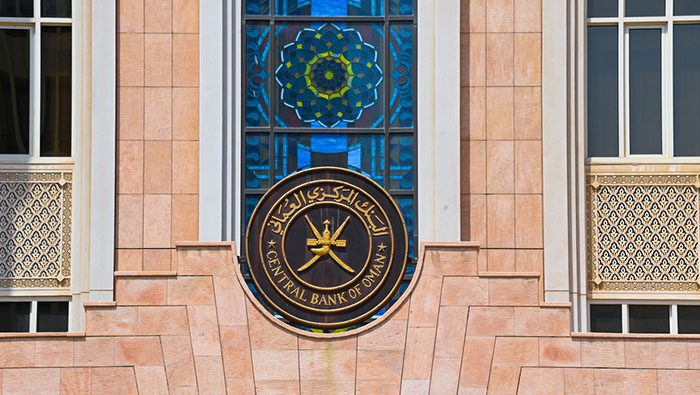

Oman’s financial landscape saw a boost this week as the Central Bank of Oman (CBO) successfully raised OMR4 million through the auction of Treasury Bills. This regular offering plays a vital role in managing government funding and supporting the liquidity of commercial banks within the Sultanate. The details of Monday’s auction reveal key insights into current market conditions and the government’s financing strategy.
Understanding Oman’s Treasury Bill Auction
The recent auction saw the issuance of 91-day Treasury Bills, a standard term for these financing instruments. These bills represent a secure method for licensed commercial banks to put their excess funds to work, offering a relatively low-risk investment option. The average accepted price for the auction was OMR99.055 per OMR100, with the minimum accepted price also settling at OMR99.055.
This pricing indicates healthy demand, as investors are willing to pay a price close to par value for these short-term government securities. Understanding these price dynamics is key to interpreting the overall health of the Omani financial market.
Key Auction Metrics Explained
Several metrics accompany each Treasury Bill auction, providing a granular view of investor appetite. Notably, this week’s average discount rate reached 3.79038%, while the average yield was 3.82655%.
- Discount Rate: The percentage at which the Treasury Bill is sold below its face value. A lower discount rate suggests stronger demand.
- Yield: The rate of return an investor can expect to receive if they hold the bill until maturity.
These figures are crucial benchmarks used throughout the Omani money market, influencing other short-term interest rates. They also signal the government’s cost of borrowing in the short-term.
The Role of the Central Bank of Oman (CBO)
The CBO doesn’t simply auction off these bills; it actively facilitates their success. As the Issue Manager, the CBO ensures a smooth and transparent auction process. However, its involvement goes beyond just management.
The CBO provides a significant advantage to banks participating in the Treasury Bill system: ready liquidity. This is achieved through discounting and repurchase facilities (Repo). This means banks can essentially sell the Treasury Bills back to the CBO before their maturity date, unlocking the capital if needed.
This feature is vital as it makes the Treasury Bills a highly attractive investment, even for banks with fluctuating short-term liquidity needs. The current interest rate on Repo operations sits at 4.50%, while the discount rate on the Treasury Bills Discounting Facility is 5.00%, giving banks clear options for managing their investments.
Impact on the Local Money Market
Beyond providing a funding source for the government, the issuance of Treasury Bills has a broader impact on the Omani economy. A primary benefit is the promotion of a robust local money market. By regularly offering these short-term instruments, the CBO effectively creates a benchmark yield curve for short-term interest rates.
This benchmark allows for more efficient pricing of other financial products, encouraging greater participation and sophistication within the market. Without this regular reference point, establishing fair interest rates for things like commercial loans or savings accounts would be considerably more challenging. Furthermore, a developed money market ultimately translates to increased financial stability for the Sultanate.
Government Funding and Fiscal Management
The government utilises these auctions as a flexible tool for managing its finances. While long-term bonds and other financing methods are used for substantial, planned investments, Treasury Bills provide a convenient way to address short-term, recurrent expenditure needs.
They are particularly useful for bridging gaps between revenue and spending, allowing the government to maintain smooth operations without relying solely on larger, less frequent funding rounds. The flexibility to issue Treasury Bills “whenever felt necessary” underscores their importance within Oman’s overall fiscal management strategy. This approach to financing allows for reactive budgetary control.
Future Outlook & Market Implications
The consistent demand for Oman’s Treasury Bills, as demonstrated by the pricing in Monday’s auction, suggests a healthy level of confidence in the Sultanate’s economic stability. Continued issuance of these bills is expected as a standard practice, supporting both the government’s funding requirements and the development of the local financial sector. Analyzing future auction results – looking at trends in yield, discount rates, and subscription levels – will provide valuable insight into the evolving economic climate of Oman. Investors will be closely monitoring these trends alongside broader economic indicators like inflation and oil prices, key factors influencing the wider investment landscape and government securities.
In conclusion, the OMR4 million raised through the recent Treasury Bill auction highlights the continued effectiveness of this financing tool for the Omani government. It’s a mutually beneficial system, providing banks with secure investment options and the government with a flexible source of funds while simultaneously bolstering the overall health and efficiency of the local money market. Staying informed about these auctions is crucial for anyone involved in or observing Oman’s financial development.