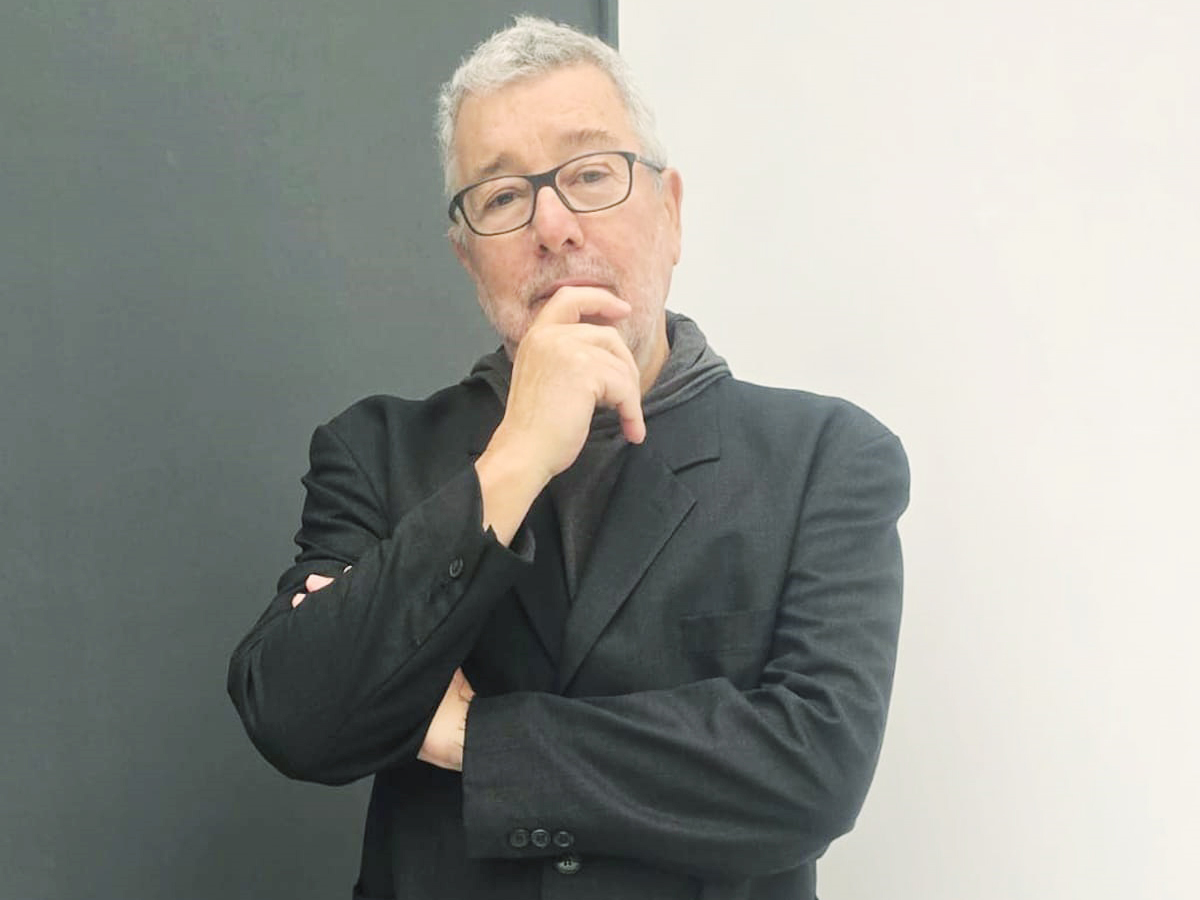

Doha, Qatar – Renowned designer Philippe Starck has lauded Qatar’s rapid development and commitment to fostering creativity, calling the nation a “brain of the world” and a leading design hub. Starck is currently in Doha leading a five-day design workshop organized by Qatar Museums, collaborating with local talent and analyzing the country’s distinct architectural evolution.
The workshop, featuring Lead Architect François Pappalardo, Eitan Hammer (Head of Architecture at Starck Network), and Mathias Romvos, aims to exchange knowledge and explore innovative ideas within Qatar’s growing creative sector. Starck’s presence highlights Doha’s increasing importance as a center for art, culture, and forward-thinking architectural projects.
Qatar: A New Global Center for Design and Innovation
Starck, who first visited Doha three decades ago, emphasized the dramatic transformation he’s witnessed. According to a recent interview with The Peninsula, he views this growth not simply as infrastructure expansion, but as a deliberate investment in intellectual ambition. This focus differentiates Qatar from other nations, he says.
He specifically credited H.E. Sheikha Al Mayassa bint Hamad Al Thani with championing this continual creative advancement, linking Qatar’s rich heritage with future-focused technology and artistic expression. The country’s approach to design appears to be a key factor in its ambitious national vision, Qatar National Vision 2030, which prioritizes sustainable development and a knowledge-based economy.
A Unique Architectural Narrative
Starck stated that Qatar’s architectural journey is particularly noteworthy because it’s carving its own path rather than replicating international trends. He described a “continuum” from the country’s desert roots and family values to cutting-edge creativity and technology, fostering an environment ripe for innovation. This organic development sets Qatar apart from cities built on imported aesthetics.
This perspective aligns with Qatar’s strategy of incorporating traditional Islamic motifs and building techniques into modern structures, as seen in projects like the National Museum of Qatar designed by Jean Nouvel. Rather than simply adopting modernism, Qatar is actively creating a hybrid aesthetic, emphasizing cultural identity alongside innovation.
Despite holding a prominent position in the global design world, Starck maintains a solitary creative practice. He reportedly works alone, often in natural settings such as forests and deserts, generating approximately one major project daily. He attributes his team’s success to a shared set of core values, resulting in collaborative harmony.
The Future of Architecture and Sustainability
Looking at broader challenges facing the design industry, Starck advocates for a shift in focus from materials to the human element. He believes excessive materialism detracts from the core purpose of architecture – serving people and enhancing quality of life. This echoes growing concerns about the environmental impact of construction and the need for more sustainable practices.
Sustainability, in Starck’s view, starts with critical questioning. What are the essential needs this design aims to fulfill? He argues that appropriate technology should be chosen based on these necessities, avoiding both overly complex and underdeveloped solutions, and prioritizing responsible construction.
Starck’s recent work often reflects these principles, embracing biomimicry and resource-efficient materials. He suggests a return to fundamental architectural principles, focusing on functionality, empathy, and generosity.
As Doha solidifies its role as a global hub for art, culture, and design, Starck’s observations underscore Qatar’s influence on shaping future architectural discourse. The outcome of the current design workshop is expected to be presented to Qatar Museums in early 2024, potentially informing future urban planning and cultural projects. The extent of Starck’s direct involvement in future projects remains unclear, but his endorsement solidifies Qatar’s ambitious position within the international creative community, and continued investment in cultural infrastructure will likely be a key indicator of its long-term commitment.