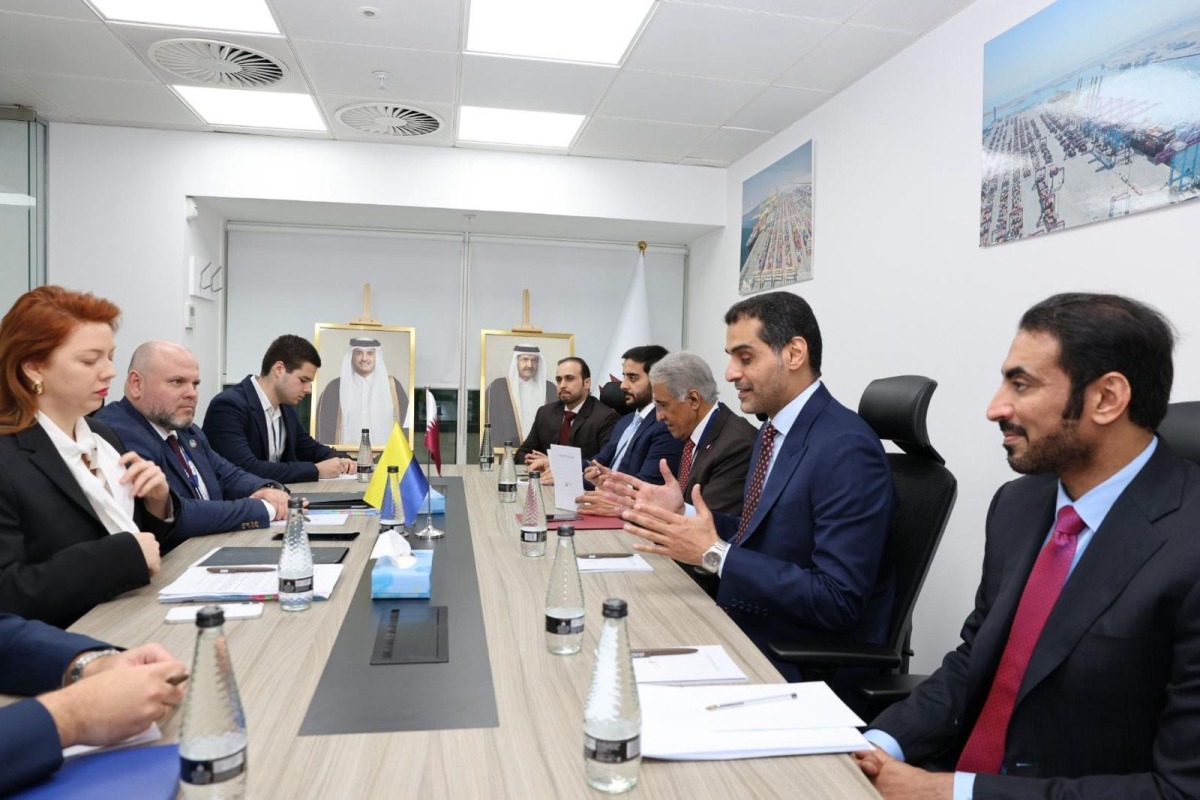

London – Qatar’s Minister of Transport, HE Sheikh Mohammed bin Abdulla bin Mohammed Al-Thani, engaged in a series of bilateral meetings with counterparts from the United Kingdom, Greece, Sierra Leone, Barbados, and Ukraine during the 34th Session of the International Maritime Organization (IMO) Assembly currently underway in London. These discussions focused on strengthening maritime cooperation and addressing key challenges facing the global shipping industry. The meetings took place throughout the week, with the IMO Assembly running from November 20th to 29th, 2023.
The IMO Assembly, the highest governing body of the IMO, brings together representatives from 173 member states and associate members to review and approve the organization’s work program, budget, and elect council members. Qatar’s participation emphasizes the nation’s commitment to international collaboration in the maritime sector and reflects its growing role in global trade and logistics. The meetings signify an ongoing effort to foster stronger relationships with key partners and promote a safer, more secure, and environmentally responsible shipping environment.
Strengthening Qatar’s Maritime Alliances
The meetings with UK Secretary of State for Transport Heidi Alexander, Greek Minister of Maritime Affairs and Insular Policy Vassilis Kikilias, and the Republic of Sierra Leone’s Minister of Transport and Aviation Haji Vandi Turay centered on enhancing bilateral ties in areas such as port development, maritime navigation, and transport services. The officials discussed potential joint ventures and knowledge-sharing initiatives to improve efficiency and sustainability within their respective shipping industries.
Discussions with Barbados’ High Commissioner to the United Kingdom, Oral Holder, and Ukraine’s First Deputy Minister for Communities and Territories Development, Alona Ivanivna Shkrum, broadened the scope to include regional developments and potential cooperation in areas beyond traditional maritime trade. According to reports, these conversations also covered the impact of geopolitical factors on supply chains and the importance of maintaining open lines of communication.
Key Discussion Points
A recurring theme throughout the meetings was the importance of bolstering maritime safety standards. All parties expressed a shared interest in aligning with IMO regulations and implementing best practices to prevent accidents and protect seafarers.
Protecting the marine environment also featured prominently. Participants discussed the challenges posed by pollution, climate change, and the need for innovative solutions to reduce the environmental footprint of maritime activities. The need for robust enforcement mechanisms and international coordination in addressing these issues was highlighted.
The facilitation of global maritime navigation and trade was another crucial area of discussion. Officials explored ways to streamline procedures, reduce bureaucratic hurdles, and promote greater connectivity between ports to ensure the smooth flow of goods and services. Enhancing the efficiency of global supply chains remains a key priority for Qatar and its international partners.
Furthermore, the meetings provided a platform to address ongoing concerns related to crew changes, the impact of sanctions on maritime trade, and the development of digital technologies within the maritime sector. The ministry indicated a desire to leverage technology to improve security, efficiency, and transparency in shipping operations.
The expansion of cooperation to include broader horizons signifies Qatar’s ambition to become a more prominent player in the global maritime landscape. This involvement extends beyond simply utilizing shipping routes; it demonstrates a desire to shape the future of the industry through proactive collaboration and innovation.
Looking ahead, the outcomes of these bilateral meetings are expected to inform Qatar’s future policies and investments in the maritime sector. Further details regarding specific agreements or initiatives resulting from these discussions are anticipated in the coming weeks. The success of enhanced collaboration will depend on continued dialogue and a commitment to shared objectives within the framework of the IMO.
It remains to be seen how these discussions will translate into concrete actions, particularly regarding the implementation of new environmental regulations and the development of sustainable port infrastructure. Analysts will be watching for subsequent announcements from the Qatari Ministry of Transport and its international partners to gauge the progress of these emerging relationships. The evolving geopolitical situation and global economic conditions will also undoubtedly influence the future direction of these collaborations, adding a layer of uncertainty to long-term prospects.
The Peninsula Qatar originally reported this news. The International Maritime Organization is the United Nations specialized agency with the most important task of creating a regulatory framework for shipping.