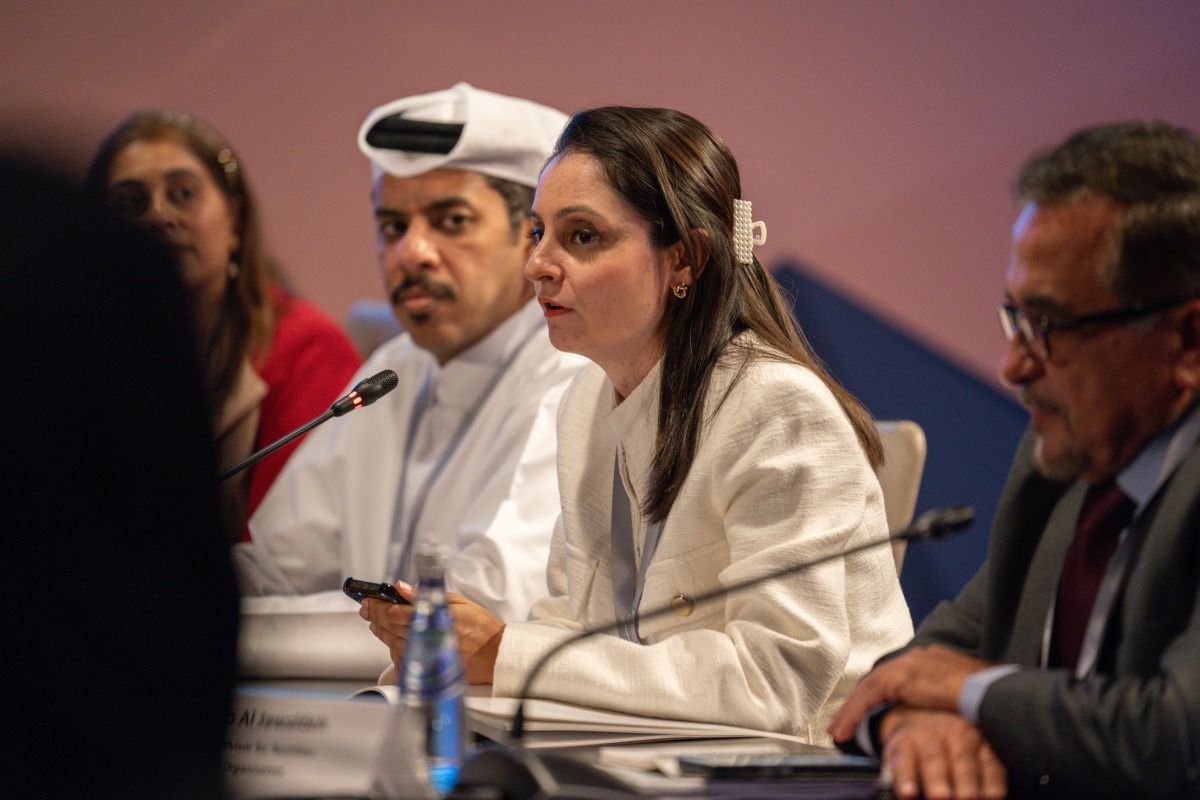

Doha, Qatar – Discussions surrounding the future of education took center stage at the WISE 12 Summit, with Qatar Foundation’s (QF) Pre-University Education playing a prominent role. International experts, policymakers, and educators convened to explore innovative approaches to learning, focusing on themes like artificial intelligence, student wellbeing, cultural identity, and progressive educational models. The summit highlighted Qatar’s commitment to fostering a dynamic and inclusive learning environment for its youth.
The biennial WISE Summit, organized by QF’s global education initiative, WISE, brought together thought leaders to address pressing challenges and opportunities in the global education landscape. This year’s event, held in Doha, emphasized the need for flexible systems that leverage technology while prioritizing the holistic development of students. Participants explored strategies for creating more equitable and supportive learning experiences.
The Role of Artificial Intelligence in Education
A key focus of QF’s contributions was the integration of Artificial Intelligence (AI) into teaching and learning. Experts shared research findings on effectively training educators to utilize AI tools, acknowledging both the potential benefits and inherent challenges. The discussions centered on how AI can personalize learning, automate administrative tasks, and provide valuable insights into student progress.
Qatar is actively positioning itself as a leader in AI-driven education, using its schools as “real-world testbeds” for piloting new solutions. This approach allows for the development of tools specifically tailored to classroom needs and aligned with the country’s cultural context. According to summit presentations, this localized approach is crucial for successful AI implementation.
Prioritizing Student Wellbeing
Beyond technology, the summit underscored the critical importance of student wellbeing and mental health. Concerns were raised regarding the impact of excessive digital device use on young people, prompting exploration of strategies to mitigate these effects. QF’s own initiatives, including a mobile phone ban in schools and comprehensive counseling services, were presented as examples of proactive measures.
Experts examined the possibility of a national, multi-sectoral response to address digital dependency and support adolescent mental health. Additionally, discussions focused on creating healthier school environments through improved nutrition and a “whole-school” approach to promoting positive health habits. This holistic view of student development is gaining traction globally.
Progressive Education and Student Empowerment
The future of progressive schooling and student-centered learning was another prominent theme. Schools like Academyati, part of the QF ecosystem, are pioneering flexible learning environments that empower students with greater autonomy and encourage self-directed learning. These models prioritize purpose, learning, and wellbeing, fostering independence, critical thinking, and resilience.
Students and alumni from QF schools actively participated in the summit, sharing their experiences and perspectives. Youth ambassadors from the Akhlaquna initiative reflected on how extracurricular activities shaped their values, while THIMUN Qatar students demonstrated the leadership and collaboration skills developed through simulation programs. These contributions highlighted the importance of youth voices in shaping educational policy.
A hackathon session showcased innovative student projects exploring the impact of technology on humanity and education. These projects demonstrated a commitment to ethical responsibility and a desire to leverage technology for positive social change. The summit served as a platform to amplify these young innovators and their ideas.
Looking ahead, QF is expected to continue its role in piloting and scaling innovative educational solutions, both within Qatar and internationally. Further research into the long-term effects of AI and digital device use on student wellbeing will be crucial. The success of these initiatives will depend on ongoing collaboration between educators, policymakers, and the community, as well as continued investment in teacher training and student support programs.